A Hotter Region That Grew More Careful
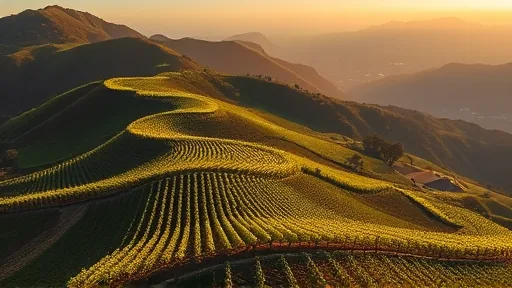
At first glance, the numbers point one way and the behavior points another. The Western Cape has warmed 1.5 to 2 times faster than the global average over the past five decades, and the late 2010s delivered three consecutive years of severe drought that put vines under intense stress and cut grape production. [1] A region under that kind of pressure would be expected to squeeze every hectare for maximum output. Instead, many growers moved in the opposite direction — setting aside land for nature, planting between their rows, and cutting back on chemicals. A single season rewards extraction. A generation of harvests rewards the soil that makes them possible.
Hannah V. Herrero, Associate Professor of Geography and Sustainability at the University of Tennessee, and colleagues from Michigan State University, the University of Florida and Southwestern University set out to test that intuition rather than assume it. [2] Their team spoke with growers, conservation practitioners and wine industry experts across the Western Cape and examined 107 vineyards — roughly 20 percent of the more than 500 operations scattered across the region’s slopes and valleys. [2] The Western Cape produces about 90 percent of South Africa’s wine, so those 107 sites are a window onto nearly the whole national industry. What the researchers found was not a fringe of idealists. It was a working majority treating conservation as infrastructure.
The practice most growers described is unglamorous and old: keep the soil alive. Cover crops — legumes, cereals such as oats and rye, brassicas such as radish and mustard — planted between vine rows, alongside compost and mulching, to improve soil structure and raise organic matter. The trade-offs are real. Cover crops need maintenance and can shelter pests. But when the right species are well tended, the research shows reduced erosion and better water retention and nutrient levels in the soil.
Where Policy Lags, the Farm Moves
A review published in WIREs Climate Change examined how South Africa’s climate science, its biophysical impact research on water, agriculture and biodiversity, and its national adaptation policy fit together. [1] Its finding: the country has a well-developed earth system science program and a National Climate Change Response White Paper, yet adaptation has not been mainstreamed into everyday practice and long-term planning across all spheres of government. [1] Institutional gaps persist even where the science is solid.
The national review describes a top-down process still looking for traction. The vineyard study describes bottom-up adaptation already running — driven not by mandates but by growers watching their input costs climb and their water supplies tighten. Where policy has not yet arrived, the farm has. The majority of South Africa’s vineyards now take part.
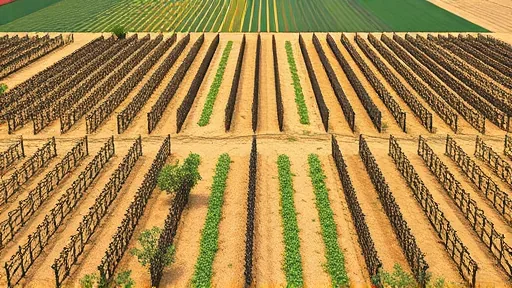
The biodiversity stake is larger than the wine. The Western Cape holds the Cape Floral Region, a global hot spot containing fynbos — a biome of thousands of endemic plant species, among them proteas, ericas and restios found nowhere else on Earth. [3] Programs such as WWF Conservation Champions have pushed vineyards to protect that flora. Growers described restoring native vegetation along waterways, removing alien species and reducing erosion to shield wetlands and rivers. Many said they use sustainability certifications to sharpen their wine’s market appeal — and, in the same breath, that they value conservation because it keeps the ecological processes their business runs on.
Pest control followed the same logic. Several producers described monitoring pest populations closely and responding in narrow, targeted ways instead of spraying broadly. Some encourage beneficial insects and manage habitat for natural predators, which can lower overall disease risk as well. Chemical treatments remain part of many operations, but growers reported growing interest in prevention — pruning among the tools — to shrink total chemical use.
Sources