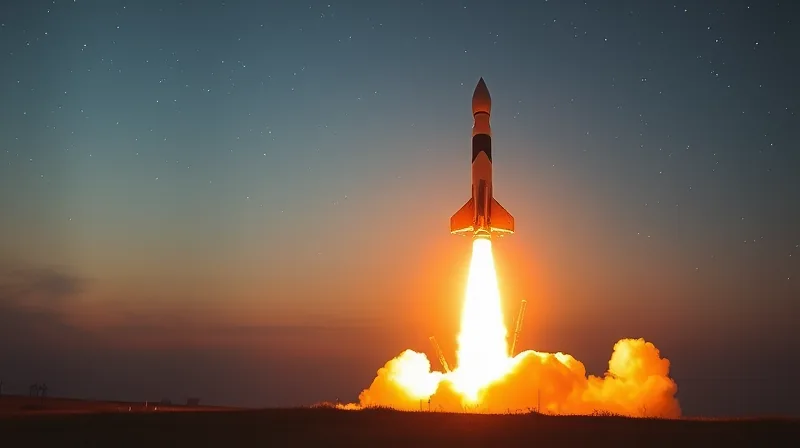
Space Force triples rocket contract to 17 billion
From $5.6 Billion to $17 Billion in One Leap
The Pentagon just made a surprising move. It tripled the maximum value of its main rocket launch contract from $5.6 billion to $17 billion. This is not a slow increase over years. It is a single, abrupt jump that signals a major shift in military space strategy. The Space Force announced this change on July 17, according to a notice from the service. The new ceiling now covers launch procurement expenses through fiscal year 2029.
This increase applies only to Lane 1 of the National Security Space Launch Phase 3 program. Lane 1 is the commercial-style portion of the Space Force’s launch procurement system. It covers missions that do not require the military’s full certification procedures. These include medium-lift launches with experimental payloads, rideshare missions, and satellites for surveillance or data relay constellations. Companies admitted to Lane 1 do not need the extensive certification and oversight that Lane 2 missions demand.
The expansion comes as the Pentagon signals rising demand for military satellite launches. Space Systems Command, which oversees the Space Force’s launch program, now expects many more missions than originally planned. The old $5.6 billion ceiling was set in 2024 when the Phase 3 acquisition strategy was first established. At that time, the military projected a certain number of launches over five years. Those projections have now grown sharply.
Seven Companies Now Compete for Military Launch Contracts

The Space Force originally selected three companies for Lane 1 contracts in 2024. Those were SpaceX, United Launch Alliance, and Blue Origin. Since then, the roster has grown. Rocket Lab, Stoke Space, Relativity Space, and Impulse Space were all added to the pool of eligible providers This brings the total number of competing companies to seven. Each company must demonstrate sufficient readiness before they can bid on individual missions.
The contracting structure is called a multiple-award, indefinite-delivery, indefinite-quantity contract. This means the Space Force issues a request for bids on a number of Lane 1 missions each year. Companies then compete for individual fixed-price “task orders.” The winners receive money for specific launches. SpaceX has won the lion’s share of Lane 1 task orders to date. Blue Origin won its first task order earlier this year.
This structure is designed to expand competition. It gives newer providers a path into the national security market once their vehicles or transportation systems have shown they are ready. That distinguishes Lane 1 from Lane 2, which covers the government’s highest-priority missions. Lane 2 is limited to providers with launch systems certified under the National Security Space Launch program. Only SpaceX’s Falcon 9 and Falcon Heavy, and United Launch Alliance’s Vulcan rocket are currently certified for Lane 2 missions.
Rising Launch Demand Reshapes Military Space Strategy
The expanded Lane 1 ceiling follows a separate increase in demand for the military’s most complex launches. In April, Space Systems Command said it had identified 25 additional Phase 3 Lane 2 missions. [2] These are on top of the 54 launches originally planned over five years. Taken together, the higher Lane 1 ceiling and the 25 additional Lane 2 missions show that the military’s projected launch needs have expanded sharply since the Phase 3 acquisition strategy was established in 2024.
Lane 2 missions include the government’s largest and most expensive spy satellites. They also include radiation-hardened communications satellites designed to survive a nuclear war. These are the highest-priority strategic missions. They require extensive certification reviews that can take years. Only rockets that pass these reviews can launch Lane 2 payloads.
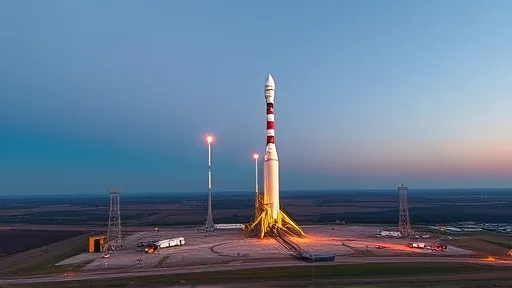
The Space Force now has authorization to spend up to $17 billion on Lane 1 launches through 2029. Each year, it will issue requests for bids on specific missions. The winners will need to deliver rockets and payloads to orbit reliably. With demand rising sharply, both established providers and newcomers face pressure to meet the military’s growing needs.
Sources
1. SpaceX