Half of world reservoirs may be dead by 2060
What was once hidden in the slow accumulation of silt and sand is now visible through satellite eyes. For decades, the gradual filling of reservoirs with sediment went unnoticed by most people. A new study has pulled back the curtain on this silent crisis. The research predicts that over half of the planet’s freshwater reservoirs will be functionally dead by 2060. [1] This finding comes from Kai Liu at the Chinese Academy of Sciences in Nanjing, China. [1] His team used satellite imagery, sedimentation data, and machine learning to analyze over 550,000 reservoirs worldwide. The study was published in the journal Nature.
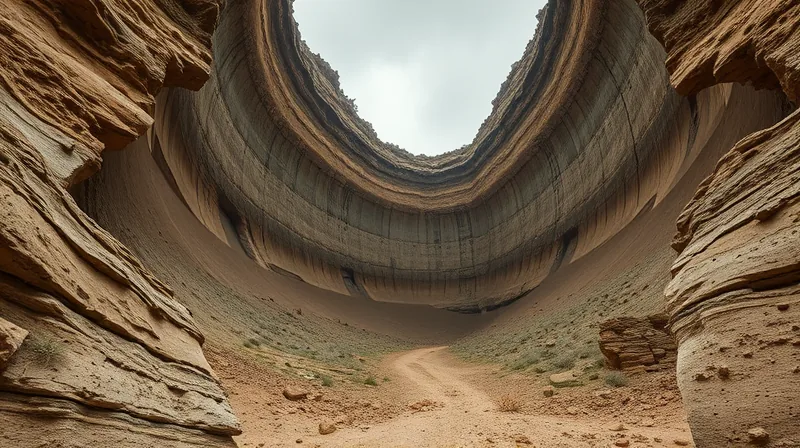
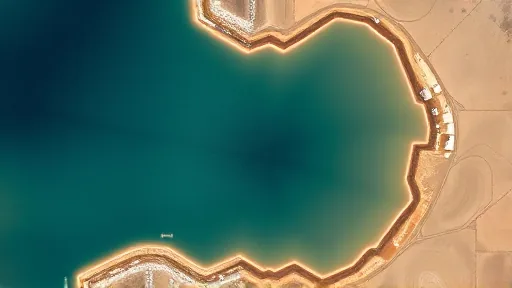
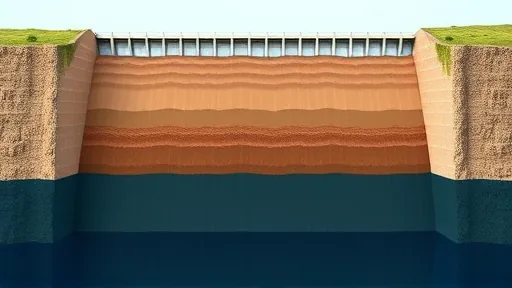
The problem starts at the smallest level. A single grain of sand or silt is harmless. But when billions of these grains collect in a reservoir, they begin to shrink the space meant for water. Dams are built to block rivers. They stop water from flowing downstream. But they also stop the natural movement of sediment. Over time, this trapped material builds up inside the reservoir. The space for water gets smaller and smaller. The safety of the dam itself can be compromised by this accumulation.
The Scale of the Loss
The numbers are staggering. The amount of water lost each year to sedimentation is more than 36 cubic kilometers. To put that in perspective, that is roughly the volume of China’s massive Three Gorges Reservoir. Each decade, the world loses over 7 percent of its freshwater storage capacity. This threatens water supplies for more than 2 billion people. It also endangers over a quarter of the world’s irrigated land. A reservoir is considered functionally dead once it is more than half full of sediment. At that point, it can no longer serve its primary purpose of storing water.
The study projects that Australia and Spain will be the worst-affected countries. Nearly 85 percent of Australian reservoirs may pass their functional lifespans by 2060. For Spain, the figure is three-quarters of all reservoirs. Arid regions face the greatest danger. In these dry areas, nearly three-quarters of reservoirs could become functionally dead by 2060. In humid zones, the figure is still high but lower at half of all reservoirs. Namibia faces an extreme situation. Over 99 percent of its dams are in danger. Along the Western Australian coast, nearly 96 percent of reservoirs are at risk.
The Mechanism of Damage
The process is slow but relentless. Sediment enters rivers from natural erosion. Human activities accelerate this process. Deforestation removes the protective cover of trees and plants. Farming exposes soil to wind and rain. Construction disturbs the ground. All of this sends more dirt into waterways. When a dam blocks the river, the sediment has nowhere to go. It settles at the bottom of the reservoir. Over years and decades, the sediment layer thickens.
Ian Wright, a water scientist at Western Sydney University in Australia who was not part of the study, [2] describes sedimentation as a cancer that slowly reduces reservoir capacity. Wright points out that Australian soils are very fragile. The clearing of catchment vegetation exposes these soils to accelerated erosion. This provides a continuous source of sediment flowing into storage dams. Climate change makes the problem worse. Increased rainfall from climate change will speed up erosion rates. More rain means more sediment washing into rivers and then into reservoirs.
The Downstream Consequences
The damage does not stop at the reservoir. When sediment is trapped behind a dam, the water downstream becomes clear. This might sound good, but it is not natural. Many river ecosystems depend on the regular flow of sediment. Fish need gravel beds for spawning. Plants need nutrient-rich silt deposited on floodplains. Deltas need constant sediment supply to maintain their shape. Without this material, entire ecosystems can collapse. The trapping of sediment has damaging impacts on downstream environments.
The problem is compounded by rising population. More people need more water. But the reservoirs that supply that water are slowly filling with dirt. This creates a double crisis. Demand for water increases while supply capacity decreases. The study projects that water supplies to over 2 billion people are threatened by this process. That is roughly a quarter of the world’s population. The threat extends to more than a quarter of global irrigated land. Farmers who depend on reservoir water for their crops face an uncertain future.
Solutions on the Horizon
The researchers recommend several strategies to address the problem. Upstream reforestation can help. Trees hold soil in place with their roots. They slow down rainwater, allowing it to soak into the ground. This reduces the amount of sediment that washes into rivers. Land stabilization techniques can also help. Terracing slopes and planting cover crops reduces erosion. Better erosion control on farmland keeps soil where it belongs. These natural solutions can significantly reduce the flow of sediment into reservoirs.
But natural solutions alone are not enough. Engineering solutions are also required. Dredging is one option. This involves removing the accumulated sediment from the bottom of reservoirs. It is expensive and disruptive. Bypass tunnels offer another solution. These tunnels allow sediment to flow around the dam during floods. This keeps the reservoir cleaner while maintaining the natural sediment flow downstream. The cost of these measures has been estimated at up to $100 billion. That is a large number, but it must be weighed against the value of the water supplies at stake.
A Broader Perspective
The problem of reservoir sedimentation is not new. Engineers have known about it for decades. But the scale of the crisis has only now become clear. Previous studies focused on individual dams or regions. This is the first global analysis using machine learning and satellite imagery. The study appears in the journal Nature. The findings are what Wright calls ‘very confronting. They force us to confront the reality that our water infrastructure has a limited lifespan.
The challenge is global, but the solutions are local. Each reservoir has its own characteristics. Each watershed has its own challenges. What works in Australia may not work in Spain. What works in Namibia may not work in China. The researchers emphasize that a combination of approaches is needed. Upstream land management must be paired with downstream engineering solutions. The cost is high, but the cost of inaction is higher. Without intervention, the world loses over 7 percent of its freshwater storage capacity each decade.
The Human Element
Behind the statistics are real people. Farmers who depend on irrigation water. Families who drink from reservoirs. Communities that rely on hydroelectric power from dams. The loss of reservoir capacity threatens all of these. In arid regions, the situation is most dire. These areas already struggle with water scarcity. The loss of reservoir storage will make their situation worse. In Namibia, where over 99 percent of dams are in danger, the future looks bleak. Along the Western Australian coast, nearly 96 percent of reservoirs face the same fate.
The study serves as a warning. It shows that our current approach to water management is not sustainable. We build dams without fully considering their long-term fate. We clear land without thinking about where the soil will end up. We extract water without planning for the future. The research by Liu and his colleagues provides a roadmap for change. It identifies the scale of the problem. It suggests solutions. The question now is whether we will act on this knowledge.
Looking Forward
The year 2060 may seem far away. But the process of sedimentation is already underway. Every year, 36 cubic kilometers of storage capacity is lost. That is a full Three Gorges Reservoir disappearing annually. By 2060, over half of the world’s reservoirs will be functionally dead if trends continue. This is not a distant threat. It is happening now. The sediment is accumulating as you read these words.
The solutions require long-term thinking. Reforestation projects take decades to mature. Dredging operations must be planned and funded. Bypass tunnels must be designed and built. The estimated cost of $100 billion is a fraction of what it would cost to replace all the lost storage capacity. Prevention is cheaper than cure. The study by Liu and his colleagues makes this clear, emphasizing that without intervention, the world loses over 7 percent of its freshwater storage capacity each decade.
A New Perspective
The next time you turn on a tap or flush a toilet, think about where that water comes from. It likely traveled through a reservoir held back by a dam. That reservoir is slowly filling with sediment. The dirt that was once on a mountainside is now at the bottom of a lake. The soil that could have nourished a forest is now buried underwater. The sand that could have built a delta is trapped behind concrete.
This is the hidden cancer that Ian Wright describes: silent, slow, but real and growing. The study by Liu and his colleagues has made it visible, forcing a decision on whether to let reservoirs die or invest in solutions like reforestation, dredging, and bypass tunnels to keep them alive.