Feathered Fossil Reveals Two Paths to Dinosaur Flight
A Fossil Rewrites the Flight Story
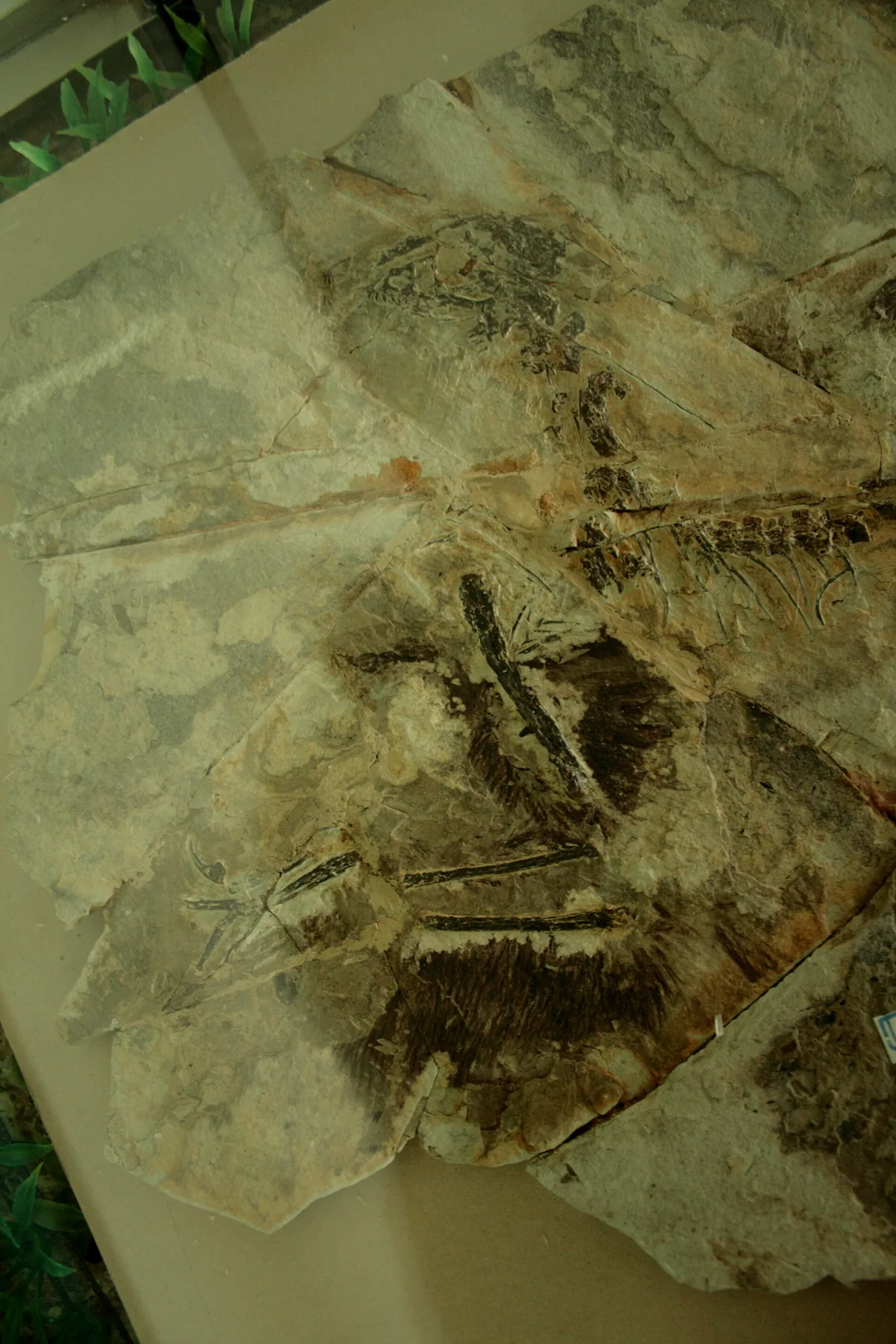
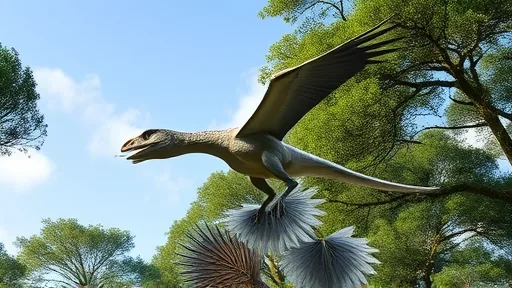
A complete fossil of a feathered dinosaur, named Norellraptor barsboldi, has been unearthed with traces of feathers preserved on its forelimbs, its hind limbs, and the tip of its tail. [1] The specimen belongs to a group called microraptorines, dinosaurs positioned closely to birds on the evolutionary tree. What makes this find consequential is not the feathers themselves — those have been known on dinosaurs for decades — but the order in which flight-related adaptations appear in this creature’s anatomy compared to the bird lineage known as Avialae.
The researchers behind the discovery identified several flight-related adaptations in microraptorines that also evolved independently in Avialae. [1] The critical observation is that these adaptations did not develop in the same sequence in the two groups. If two lineages arrive at similar flight capabilities by assembling the same parts in different orders, the assembly instructions cannot have come from a single shared blueprint.
This finding suggests that flight-related adaptations may have assembled along more than one pathway, through separate routes rather than a single ancestral line. A complete specimen removes that hiding place. The new species provides a full anatomical record that can be compared, trait by trait, against the Avialae sequence.
The implications ripple through how paleontologists reconstruct the tree of life. If flight-related traits can be assembled in different orders and still produce functional flight, then the presence of a single flight trait in a fossil may not reliably indicate a bird ancestor. It may simply mark a dinosaur experimenting with the same aerodynamic problem on its own terms. This is the difference between a family tree and a convergence — between shared inheritance and independent invention.
How the Evidence Was Assembled
The research team compared the developmental sequence of flight-related adaptations in microraptorines against the known sequence in Avialae. The method is a form of anatomical sequencing: for each group, determine which flight-related trait appeared first, which second, and so on.
The Norellraptor fossil provided the missing data point for the microraptorine sequence. [2] Feathers on forelimbs, hind limbs, and tail tip give a three-point record of where plumage had already established itself in this lineage. The order of these feather distributions, compared against when similar distributions appear in Avialae, reveals the mismatch. The two groups were solving the same aerodynamic problems, but they were consulting different instruction manuals.
This is not a claim that flight evolved from scratch multiple times. It is as if two builders produced similar houses using the same materials but laid the foundation after framing the walls in one case and before in the other. The houses stand. The blueprints differ.
The regime — the order of operations — is the signature of common descent, not the mere presence of similar parts.