Ceramic Pots Reveal Social Divide in 19th Century Brazil
Leftovers Tell a Story of Status and Origin
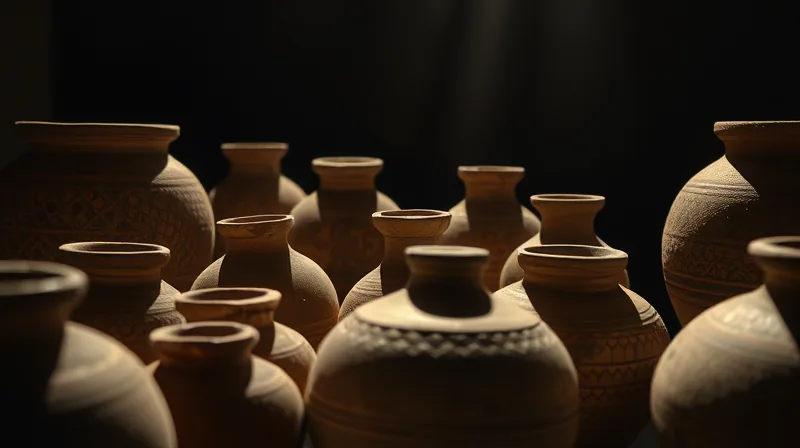
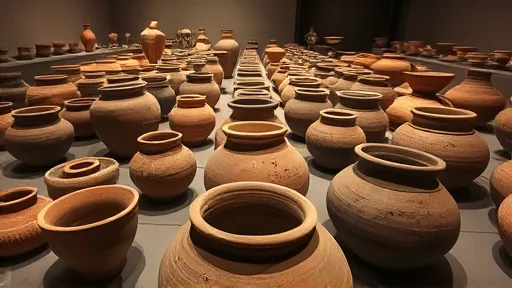
For decades, historians assumed that 19th-century Brazilian diets were largely uniform across communities, shaped only by local agriculture and trade. A study published in the Journal of Archaeological Science challenges that assumption. Researchers led by Dr. Maria Santos analyzed molecular residues preserved inside more than 180 ceramic vessels from southern Brazil. They found evidence that what people ate depended not just on geography but on who they were.
The study reconstructed meals from fish, shellfish, maize, manioc, rice, and even chicken eggs. These residues did not look the same across all vessels. Instead, the chemical signatures varied systematically. The pattern matched the social standing and ethnic background of the people who used the pots.
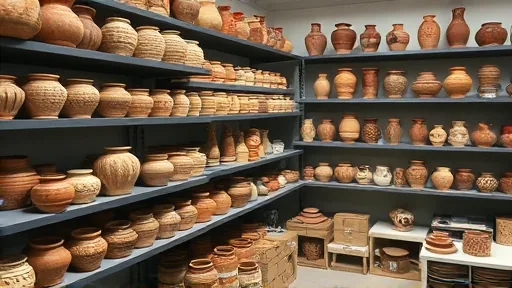
This finding goes beyond anecdotal records. Written accounts from the era often describe what elites ate, but rarely document the daily meals of enslaved laborers or indigenous communities. The ceramic vessels provide a direct, physical record. They show that food access was not accidental but was structured by inequality.
What the Pots Cannot Yet Reveal
Despite the precision of molecular analysis, the study has clear limits. The residues do not preserve every ingredient. Spices, for example, leave few traces. Cooking methods — boiling versus roasting — remain invisible. The researchers cannot tell from the fats alone whether a meal was a daily staple or a special occasion.
The vessels themselves also impose a filter. Not every household owned ceramic pots. Some communities used gourds, wooden bowls, or woven baskets. Those materials decay, leaving no record. The study therefore captures only one part of the food system — the part that happened in fired clay.
A further gap concerns timing. The residues represent the last meals cooked in each vessel, but pots were reused for years. A single pot might have held fish one week and maize porridge the next. The molecular signal blends multiple events. The researchers can identify broad dietary patterns but cannot reconstruct a single day’s menu.
A Parallel Discovery Confirms the Pattern
Independent work from a team at the University of Tennessee supports the finding. Scientists led by Dr. James Carter studied similar ceramic vessels from colonial plantations in the southeastern United States and reported comparable results. They found that enslaved cooks used different types of pots — and different ingredients — than their enslavers, even when both groups lived on the same property.
That study, led by a team at the University of Tennessee, analyzed fatty acids and plant starches in cooking pots. The residues showed that enslaved households relied heavily on maize and wild greens, while the plantation owners’ kitchens contained more meat and imported grains. The social hierarchy was reflected in the pottery.
The Brazilian study now extends this pattern to a different continent and a different colonial system. The researchers note that the same analytical technique — gas chromatography coupled with mass spectrometry — made both discoveries possible. The method identifies specific lipid and starch molecules that survive centuries inside porous clay. It does not require written records or oral histories. The pots provide direct evidence.