August 2026 Brings Solar Eclipse Perseids Venus Lunar Eclipse
The Eclipse Everyone Knew Was Coming
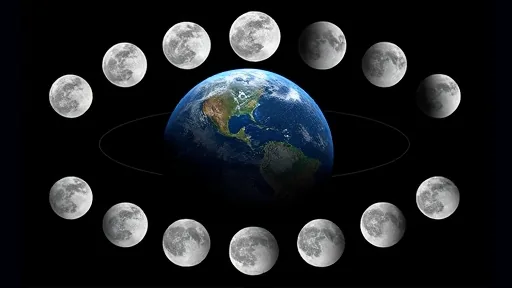
August 2026 is a calendar of four sky events. Every date on that calendar was known before the month began. That is the quiet breakthrough of skywatching. None of it is guesswork. The Moon’s phases for August were charted earlier, night after night. Those old observations are what make this month predictable. Earlier observers mapped the Moon’s monthly path, and their chart still holds. On Aug. 5, the Moon reaches Last Quarter. That phase is easy to overlook. It opens the sequence that ends in an eclipse. On Aug. 12, the Moon reaches New. That same day brings a total solar eclipse.
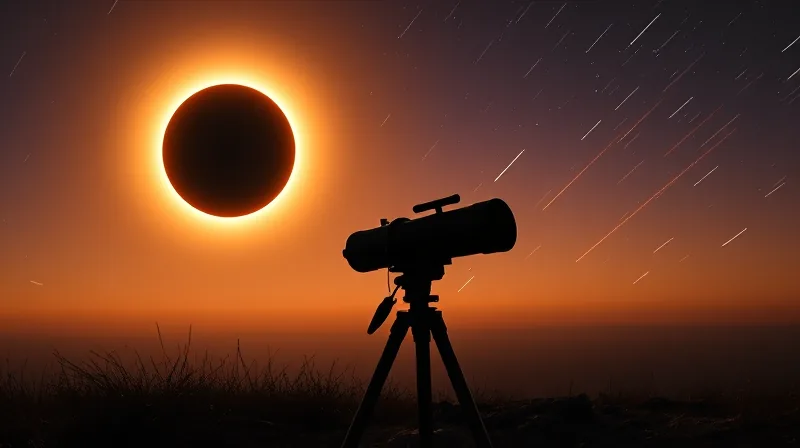
The eclipse crosses northern Russia. Its path continues over Greenland. It reaches Iceland. Then it moves across northern Spain. A small corner of Portugal also lies inside the path of totality. Totality means the Moon covers the Sun completely. Observers inside that path see the Sun hidden behind the Moon. Observers outside it see something less.
Parts of the United States also see the eclipse. The viewing region stretches from Alaska to North Carolina. There, the Moon takes only a small bite out of the Sun. The event stays partial along that whole stretch. The size of the bite varies with location. One state can see a deeper cut than another. The eclipse never reaches totality for American viewers.
Safe viewing is non-negotiable. Any time any part of the Sun remains visible, the eyes need protection. Regular sunglasses are not safe. Certified eclipse glasses are safe. A safe solar viewer also works. Binoculars, telescopes, and cameras follow a stricter rule. They need a solar filter made for the front of the optics. The filter belongs at the front. That is the safe position.
Meteors in a Dark Sky, Venus After Sunset
The same evening, the sky keeps performing. The Perseid meteor shower peaks on Aug. 12. The peak runs into the early morning of Aug. 13. This is one of the year’s best meteor showers. The New Moon leaves the skies ideally dark. The Perseids are an old acquaintance. They arrive every year. For a long time, the shower was simply an annual sight. Now its origin is a known comet named Swift-Tuttle. Earth passes through a debris stream the comet left behind. The comet did its work long before August 2026. Now the Earth meets that leftover material year after year. Tiny bits of comet dust hit our atmosphere at high speed. They burn up as bright streaks of light. That is what a meteor is: dust in flames.
SENTENCE: Those old observations are what make this month predictable.
CORRECTION: It takes patience. SENTENCE: Look toward the northeast.
CORRECTION: Look toward the northeast. SENTENCE: Let your eyes wander.
CORRECTION: The shower’s meteors originate near that point. They do not stay there. Meteors can flash across any part of the sky. Let your eyes wander. SENTENCE: Find a dark, open spot.
CORRECTION: Find a dark, open spot. SENTENCE: Look there shortly after sunset.
CORRECTION:
A few nights later, Venus takes the stage. From Aug. 14 to Aug. 16, it reaches greatest eastern elongation. SENTENCE: Raquel Villanueva from NASA’s Jet Propulsion Laboratory presents this monthly guide. [1]
CORRECTION: It means the widest apparent separation between Venus and the Sun. This August’s evening appearance of Venus reaches its widest gap from the Sun. After sunset, the planet hangs low in the western sky. Look there shortly after sunset. Venus outshines every star around it. No star in that part of the sky can compete.
A telescope changes the picture. Venus looks close to half lit. It shows a phase, like a tiny lunar phase. The Moon shows phases because we see different parts of its sunlit side. SENTENCE: A lunar eclipse is the mirror of a solar eclipse.
CORRECTION: A bright point of light becomes a small half disk. That is the reward for turning a telescope to the west after sunset.
The Moon Slips Through Earth’s Shadow
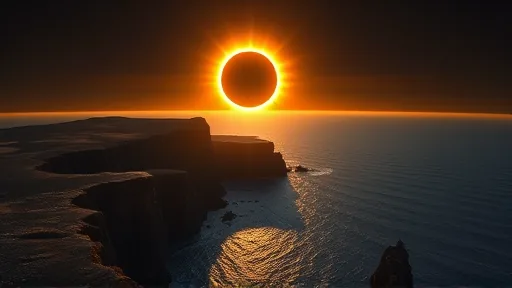
The month closes with a lunar eclipse. On the night of Aug. 27, the Full Moon slips through Earth’s shadow. For some time zones, the event continues into Aug. 28. This is a partial lunar eclipse, and a deep one. The event is visible from much of North and South America. Parts of Europe and Africa see it too. A lunar eclipse is the mirror of a solar eclipse. SENTENCE: In a lunar eclipse, Earth blocks the Sun’s light from the Moon.
CORRECTION: In a lunar eclipse, Earth blocks the Sun’s light from the Moon.
At maximum eclipse, the numbers are striking. About 93% of the Moon’s diameter sits inside Earth’s dark central shadow. [1] That shadow is called the umbra. The Moon will not be completely covered. Roughly seven percent of its diameter stays outside the umbra. SENTENCE: The curve belongs to our own planet.
CORRECTION: The covered part can look dramatically darkened. SENTENCE: It is safe to watch with your eyes alone.
CORRECTION:
Watching a lunar eclipse is easy. It is safe to watch with your eyes alone. Compare that with the solar eclipse. SENTENCE: NASA’s missions continue to explore the solar system and beyond, and anyone can stay up to date on all of them.
CORRECTION: The lunar eclipse demands nothing but attention. SENTENCE: They show Earth’s curved shadow moving across the Moon.
CORRECTION: They show Earth’s curved shadow moving across the Moon. The curve belongs to our own planet. That image is what August 2026 leaves behind. The month ends, but the watching does not. Raquel Villanueva from NASA’s Jet Propulsion Laboratory presents this monthly guide. NASA’s missions continue to explore the solar system and beyond, and anyone can stay up to date on all of them.
Sources
1. NASA’s Jet Propulsion Laboratory
2. NASA