Ancient Corals Reveal Modern El Niño Events Are Most Extreme in Millennium
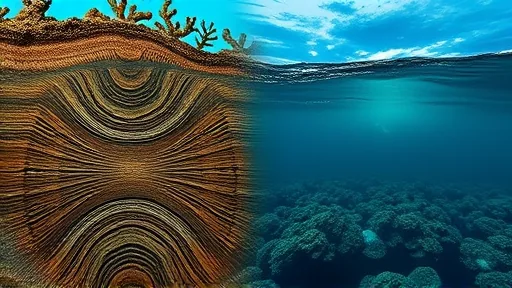
The equatorial Pacific Ocean is warming dramatically. Scientists see the signature of a strong El Niño developing, and the event could prove historic. The worry is no longer just about this year’s weather. The deeper concern is a pattern: as the planet heats up, these events seem to grow more powerful. Until now, we lacked the long-term evidence to prove it. Nature, however, keeps its own records. In the Galápagos Islands, ancient coral skeletons have preserved a thousand years of ocean history. A new reconstruction of El Niño events from centuries past, drawn from coral records, now allows direct comparison with modern ones. The results are stark: the El Niño events of today are more extreme than anything in the past millennium The corals tell a story that instruments cannot reach back far enough to tell. Their growth rings record ocean temperatures with remarkable precision, layer by layer, year by year. This natural archive allows researchers to measure the intensity of ancient climate events. The comparison reveals a clear and troubling trend. Recent El Niño events stand apart from their historical predecessors. They are not just slightly stronger. They are categorically more intense. This finding reframes our understanding of how global warming interacts with natural climate cycles. The past is no longer a reliable guide for what the future may hold.
Coral Archives Meet Modern Climate Science
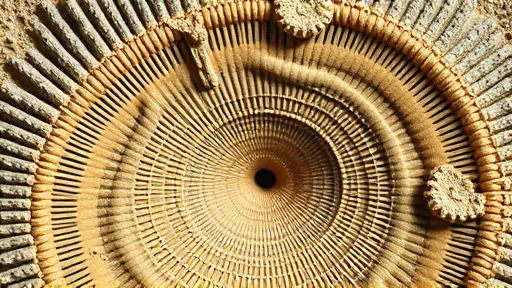
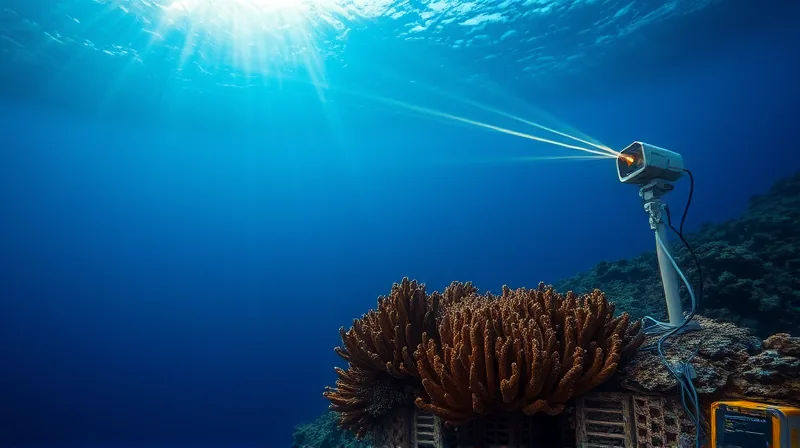
The research team turned to an unlikely source for their data: the living reefs surrounding the Galápagos Islands. These corals function as silent historians. Each year, they add a new layer to their calcium carbonate skeletons. The chemical composition of each layer reflects the water temperature at the time it formed. Warm water produces a different signature than cool water. By drilling cores from these ancient structures, scientists can read temperature records dating back a full millennium. This method provides something no weather station can offer: a continuous, precise temperature timeline spanning 1,000 years. The study drew on expertise from marine biology, geochemistry, and climate modeling to analyze the coral records. Marine biologists identified the most promising coral colonies for sampling. Geochemists analyzed the isotopic signatures locked within the skeleton layers. Climate modelers then integrated this data into sophisticated simulations of past ocean conditions. The interdisciplinary effort bridged the gap between biological records and physical climate dynamics. The result is a reconstruction that extends our observational baseline by an order of magnitude. For the first time, researchers can directly compare the strength of medieval-era El Niño events with those occurring today. The reconstruction reveals that recent events already show characteristics consistent with this modern intensification trend The data suggests a clear break from historical patterns around the onset of industrial-era warming. The corals provide the context that satellite records, which only span a few decades, cannot offer. This long view transforms our understanding of what constitutes “normal” variability in the Pacific climate system.
A Warning That Crosses Scientific Boundaries