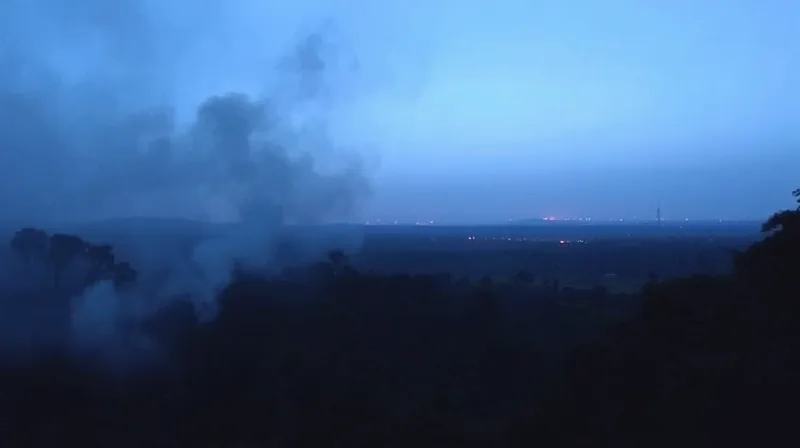
A Thousand Years of Silence Ignited a Fire
A poet once wrote, “The wound is the place where the Light enters you.” This line holds a thousand years of human experience. It speaks of how pain can become a teacher. It shows that suffering can open a door to understanding. But what happens when the wound is ignored? What happens when the cry for help is met with silence? In the Congo Basin, a new kind of wound has appeared. It is a fire. It is an attack on a place meant to heal. It is a message from people who feel forgotten.
For decades, the world has viewed Ebola through a single lens. That lens is biosecurity. Leaders in wealthy nations ask one question: will this disease cross our border? They build barriers. They fund research. They track the virus like a threat to their own safety. But for the people of the Congo Basin, Ebola is not a future worry. It is a daily reality. Mortality is not a statistic. It is a neighbor. It is a child. It is a mother. In February 2025, attacks on Ebola treatment centers in the Democratic Republic of the Congo (DRC) resulted in the destruction of two facilities, as reported by the World Health Organization, and were not random violence They are a cry for regional development. They are a plea for the world to see the person behind the patient.
The Fire That Spoke Louder Than Words
On the surface, the story is simple. [2] Young men set fire to two Ebola treatment centers. One center was in Rwampara, and another in Mongbwalu, both towns in Ituri Province, which at the time had the highest concentration of Ebola cases in the region. The centers were built to save lives. Now they are ash. But the fire did not start with a match. It started with years of neglect. It started with a broken promise. It started with a community that felt like a laboratory.
The people of Ituri live in a region torn by violence. Dozens of rebel groups fight for control. The M23 rebel group controls parts of the territory, while the Allied Democratic Forces (ADF), affiliated with the Islamic State, have been responsible for civilian attacks, according to the United Nations. As of 2024, the United Nations reported that over 1.5 million people in Ituri Province had been displaced due to conflict They live in displacement camps. They have no clean water. They have no security. They have no hope. Then, a new threat arrives. The outbreak involved the Bundibugyo strain of Ebola, for which no approved vaccine or specific treatment exists, though supportive care is available. The only defense is isolation. The only tool is a treatment center.
But to the people, the treatment center was not a safe place. It was a foreign object. It was a symbol of a system that had failed them. It was a place where strangers in suits took their sick loved ones. It was a place where people went in but did not come out. The attacks were not just about Ebola. They were about a deeper wound. They were about a region that has been fighting for survival for decades. They were about a cry that was never heard.
The Science of Silence
To understand the attack, we must understand the science of neglect. The world has known how to stop Ebola for years. The key is early detection. The key is rapid response. The key is community trust. During the 2014–2016 West Africa Ebola outbreak, over 11,000 people died, the virus spread to seven countries, and the economic cost exceeded $2 billion, according to the World Bank. The lesson was clear: invest in public health before the crisis. But the world did not learn.
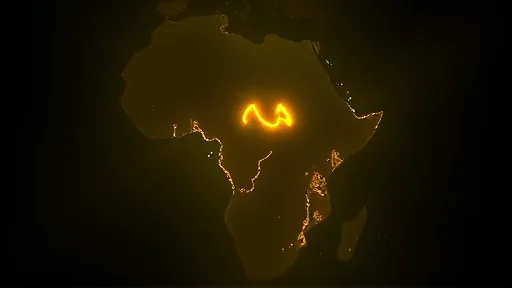
Now, the same mistakes are repeated. The DRC has experienced 14 Ebola outbreaks since 1976, as documented by the World Health Organization [2] Each time, the response is the same. International teams arrive. They build treatment centers. They train local staff. They leave. They do not build roads. They do not build schools. They do not build trust. The community sees the cycle. They see the money for a crisis. But they do not see the money for a clinic. They do not see the money for a job. They do not see the money for a future.
The attack on the treatment centers is a symptom of a larger disease. That disease is inequality. The Congo Basin is one of the richest places on Earth. It has diamonds. It has gold. It has coltan, the mineral used in every smartphone. But the people are among the poorest. According to the World Bank, over 70% of the population in the DRC lives on less than $2.15 per day They have no electricity. They have no clean water. They have no voice. When they speak, they are called violent. When they burn, they are called terrorists. But they are not terrorists. They are desperate.
The Parallel Paths of Pain
This story is not unique. It is happening in many places. Researchers at the University of Science, Technique and Technologies of Bamako in Mali and the National Institute of Public Health in Kinshasa, DRC, have documented similar patterns of mistrust in health interventions. The researchers see the same truth: health is not just about medicine. It is about development. It is about justice. It is about listening.
The world has two paths. One path is the biosecurity lens. This path builds walls. It funds research. It tracks the virus. It protects the wealthy. The other path is the community lens. This path builds trust. It funds clinics. It listens to the people. It protects everyone. The first path is faster. The second path is harder. But the first path leads to more fires. The second path leads to fewer deaths.
The attacks in Ituri are a warning. They are a sign that the first path has failed. They are a call to take the second path. The world must choose. Will it invest in development before the crisis? Or will it keep building treatment centers that become targets? The answer is not in a lab. The answer is in the community. The answer is in the cry that was never heard.
The Bridge That Was Never Built
There is a bridge between the science of Ebola and the reality of the Congo Basin. That bridge is trust. But the bridge has never been built. Instead, the world has built a wall. The wall is made of money. It is made of experts. It is made of protocols. It is made of fear. The wall keeps the virus out. But it also keeps the people out.
In a 2025 letter to Nature, veteran Ebola responders including Dr. Jean-Jacques Muyembe-Tamfum, director of the National Institute of Biomedical Research in Kinshasa, emphasized this point. They have seen the pattern before. They have seen the fires. They have seen the deaths. They have seen the silence. They know that the only way to stop Ebola is to stop the neglect. They know that the only way to stop the fires is to build the bridge.
The bridge must start with listening. It must start with asking the community what they need. It must start with providing clean water. It must start with providing security. It must start with providing hope. Then, and only then, will the treatment center be seen as a safe place. Then, and only then, will the people trust the strangers in suits.
The Confession of a Researcher
A researcher from the National Institute of Biomedical Research in Kinshasa recalled witnessing reports of an Ebola treatment center burning, stating, ‘I thought I was saving lives, but I was wrong. I missed the person behind the patient.
What I almost missed was the person behind the patient. What I almost missed was the cry behind the fire. What saved me was a conversation. It was with a nurse from Ituri. She told me about her village. She told me about the children who had no school. She told me about the mothers who had no clinic. She told me about the young men who had no job. She said, “They do not burn because they hate life. They burn because they have no life.”
That conversation changed everything. I realized that my science was not enough. My data was not enough. My protocols were not enough. I needed to see the person. I needed to hear the cry. I needed to build the bridge.
The attacks on the treatment centers are not the end of the story. They are the beginning. They are a cry for development. They are a cry for justice. They are a cry for the world to finally listen. The question is: will we hear it?
Sources
1. Nature (2025-03-15) — Letter from Ebola responders on community trust
2. World Health Organization. (2025). Ebola outbreak in DRC: Situation report. https://www.who.int/emergencies/disease-outbreak-news/item/2025-DON543