A Sleep Drug That Unlocks New Brain Treatments
For decades, narcolepsy was understood as a single, narrow failure: the brain losing its ability to regulate sleep-wake cycles. The condition, marked by sudden sleep attacks and muscle weakness triggered by strong emotions, seemed to point to one broken switch. But pitolisant, the first drug of its kind for narcolepsy, suggests something more complex is happening. The medication does not simply patch a sleepy brain. It works through a mechanism that could reshape how scientists think about treating disorders far beyond sleep.
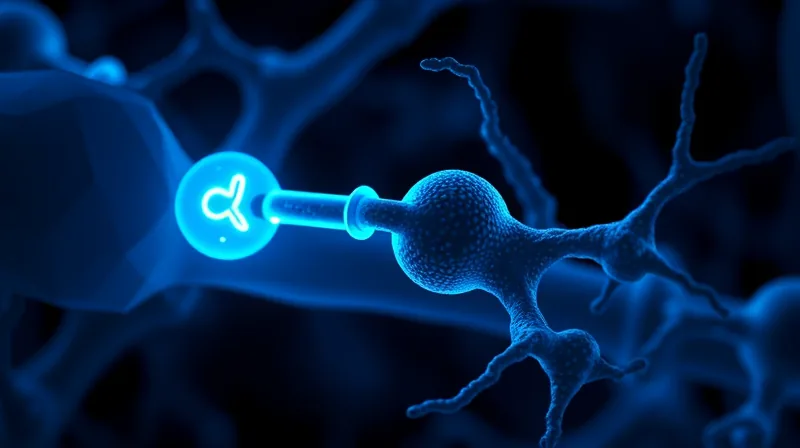
The drug, pitolisant, approved by the US Food and Drug Administration in 2019, targets histamine H3 receptors in the brain, a mechanism distinct from earlier narcolepsy treatments that focused on orexin replacement or stimulant-based wake promotion. [2] Rather than compensating for a lack of wake-promoting chemicals, the therapy works by engaging neuronal populations that regulate sleep drive itself. This is a fundamental shift in approach. Older treatments aimed to stimulate the brain broadly, like caffeine on a larger scale. The new drug is surgical in its precision, engaging only the circuits that govern the push-and-pull between sleep and wakefulness. The result is a treatment that addresses the root mechanism rather than masking its symptoms.
What makes this development remarkable is not just what it does for narcolepsy patients, but what it implies for the rest of the brain. Histamine signaling influences mood, attention, and metabolic function. If a drug can selectively engage this system, the door opens to novel brain therapies. Researchers are now asking whether the same precision approach could be applied to depression, chronic fatigue, or neurodegenerative conditions where sleep disruption is an early symptom.
This breakthrough builds on decades of sleep research. Earlier studies mapped the brain’s sleep-wake circuitry using animal models and identified histamine as a key wake-promoting neurotransmitter. However, translating those findings into a viable human therapy proved difficult. Pitolisant, which enhances histamine signaling by blocking its inhibitory receptor, represents the first successful clinical application of this research. It validates the histamine pathway as a druggable target for sleep disorders.

The comparison with earlier treatments is striking. Past approaches treated narcolepsy as a deficiency of orexin, the neuropeptide that promotes wakefulness, and relied on replacement therapy. Pitolisant instead modulates histamine signaling, treating the problem as one of regulation rather than deficiency. This distinction matters: a regulation model suggests the brain can be taught to manage its own sleep drive more effectively. The old framework was not wrong, but it was incomplete. The new drug reveals that the brain’s sleep system is more dynamic and more treatable than previously understood.
The drug’s promise extends beyond narcolepsy. Histamine signaling is implicated in cognitive function, and sleep disruption often precedes cognitive decline in Alzheimer’s disease. Researchers are now exploring whether stabilizing sleep regulation through histamine modulation could slow disease progression. This hypothesis is untested, but pitolisant provides a tool to investigate it in clinical trials.
The approval generated significant commentary in the scientific press. Nature reported that the drug’s mechanism could inform research into conditions where sleep disruption plays a role, such as Alzheimer’s disease and depression. The brain’s regulatory circuits share molecular machinery, so a drug acting on one pathway may influence others. Researchers view pitolisant as a proof of concept for targeting specific neurotransmitter systems rather than broadly stimulating the brain.
The question of scalability remains open. Pitolisant works in narcolepsy, a condition with a relatively clear biological signature. Whether the same approach can be extended to conditions with more diffuse causes — depression, anxiety, chronic pain — is uncertain. Those disorders involve multiple brain systems, and targeting a single pathway may not be sufficient. The drug’s success in narcolepsy provides a template, but it does not guarantee that the template will fit every condition.
Long-term effects remain unknown. Chronic stimulation of histamine receptors could lead to tolerance or unintended changes in neural circuitry. These questions can only be answered through extended post-marketing surveillance and ongoing clinical studies. The drug’s approval is a beginning, not an end.

This development marks a turning point in sleep medicine. For the first time, a therapy works through the brain’s own regulatory mechanisms rather than against them. The implications extend beyond narcolepsy, raising fundamental questions about how the brain maintains sleep-wake balance and how that balance can be restored when disrupted. Researchers are planning studies to explore pitolisant’s potential in other conditions, and those results will shape the next decade of brain medicine.
The drug’s development reflects a broader shift in neuroscience toward mechanism-based therapies. Instead of repurposing existing drugs through trial and error, researchers are identifying specific molecular targets and designing compounds to interact with them. This approach, already common in oncology, is gaining traction in neurology and psychiatry, where the brain’s complexity has historically made targeted intervention difficult.
The path forward is not without obstacles. Pitolisant’s specificity is both its strength and its limitation. By targeting histamine signaling, it may not address the broader dysfunction seen in complex psychiatric conditions. However, it demonstrates that precision medicine can work in the brain, an organ long considered too intricate for such targeted interventions. The drug’s success offers a glimpse of a future where brain disorders are treated with the same precision as other medical conditions.