SSRIs healing power remains scientifically unexplained
Every year, millions of people begin a medication whose healing power remains scientifically unexplained. They take it for a condition no laboratory test can confirm. Selective serotonin reuptake inhibitors, or SSRIs, rank among the most prescribed drugs worldwide. Yet decades after their introduction, researchers still cannot fully map the biological changes these pills trigger in the brain and body.
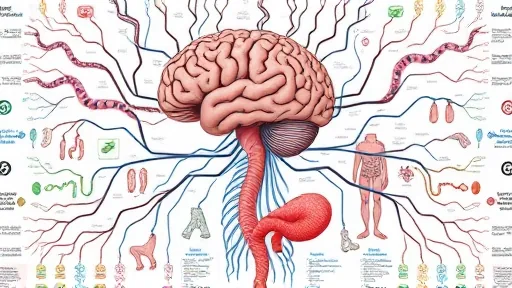
The puzzle cuts to the core of modern psychiatry. If a drug works, doctors expect to explain how. With SSRIs, the basic story involves serotonin, a chemical messenger linked to mood. But that simple narrative leaves vast gaps. The full picture involves complex interactions across neural circuits, hormonal systems, and even gut function.
This uncertainty does not stop prescriptions. Clinical practice moves forward on evidence of benefit, not on complete mechanistic understanding. Patients experience relief, and that outcome matters. Still, the gap between observed effect and biological explanation remains one of the most striking anomalies in contemporary medicine.
When the Mechanism Stays Hidden
The foundational assumption in pharmacology holds that drugs act through known, describable pathways. SSRIs challenge that premise daily. Their therapeutic action cannot be fully accounted for by the serotonin reuptake inhibition that gives them their name. Something else is happening, something that resists current measurement tools.
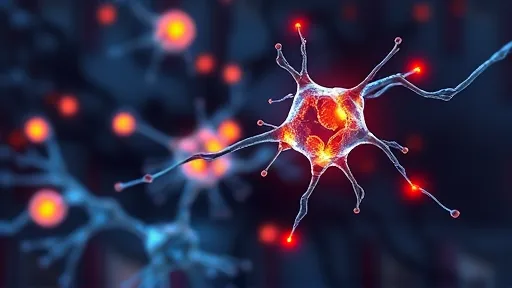
Science journalist Lynne Peeples has spent years tracking the evidence on what SSRIs actually do in the body. Her reporting documents how researchers are probing molecular changes, neural circuit activity, and even gut-brain signaling to explain the drugs’ effects. The investigation spans multiple levels, from cellular alterations to whole-brain activity patterns.
What makes the situation more remarkable is the scale. Millions of new patients start SSRIs each year. They join a global population already taking these medications in enormous numbers. The sheer volume of real-world use has not translated into complete biological clarity.
The Counterargument That Still Stands
Skeptics might argue the mechanism question does not matter if the drugs help people. That position has not been refuted, but it sidesteps a deeper problem. Without understanding how SSRIs work, doctors cannot predict who will benefit and who will not. They cannot tailor treatment based on biological markers.
The condition itself compounds the difficulty. Depression and related disorders lack objective laboratory diagnostics. Diagnosis relies on clinical interviews and symptom checklists. This subjective foundation makes research harder, because patient groups are inherently diverse in ways that are difficult to measure.
Researchers have proposed various theories beyond serotonin. Some point to neuroplasticity, the brain’s ability to rewire itself. Others investigate inflammation or stress hormone regulation. Each hypothesis adds a piece, but none completes the puzzle. The counterargument remains: perhaps the full mechanism involves multiple systems acting together in ways current science cannot isolate.
What the Unresolved Question Teaches
The ongoing uncertainty about SSRIs serves fundamental research in unexpected ways. It forces scientists to question assumptions about how psychiatric drugs interact with biology. It reveals that clinical effectiveness and mechanistic understanding can diverge dramatically.
This gap is not merely an academic inconvenience. It shapes how new psychiatric treatments get developed and tested. If the field cannot fully explain its most successful drug class, what does that mean for future drug discovery? The question pushes researchers to develop more sophisticated tools for observing brain function in living humans.
The investigation continues across many laboratories and clinical centers. Each study adds a small piece of evidence. The ultimate contribution may be less about perfecting SSRI knowledge and more about demonstrating how much remains unknown. That humility, born from a widely used drug’s mystery, guides the next generation of psychiatric research toward more careful, comprehensive approaches to the brain. Meanwhile, parallel efforts at institutions such as the National Institute of Mental Health and the University of Oxford are pursuing complementary lines of inquiry into antidepressant mechanisms, signaling a broader shift toward understanding psychiatric drugs through multi-system frameworks rather than single-molecule narratives.