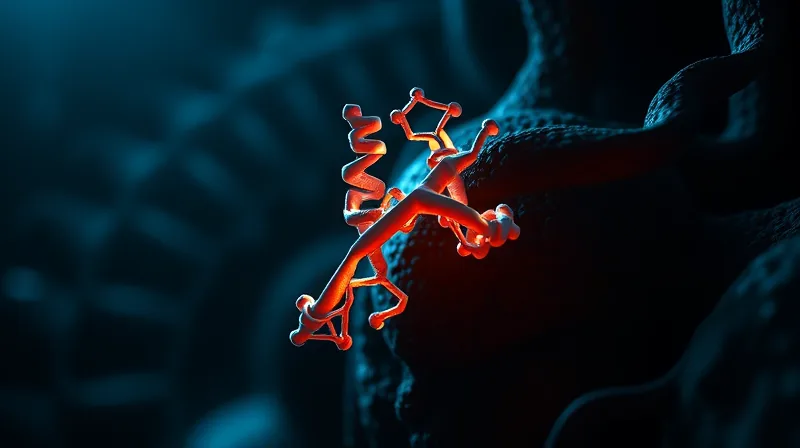
Dimer-Stabilizing Molecule Opens New GPCR Drug Design Path
For decades, the field of G-protein-coupled receptors (GPCRs) — the largest family of cell surface receptors and the target of about a third of all approved drugs — operated on a simple assumption Each receptor floated alone in the cell membrane, a solitary sentinel waiting for a signal. When a drug or hormone arrived, the receptor changed shape and passed the message inward. This single-unit model guided drug design for generations. But a quieter, competing line of research kept suggesting something more complex: that these receptors might pair up, forming dimers, and that these pairs might behave differently than lone receptors. The debate was real, but the tools to settle it were missing. Proving that a fleeting interaction between two proteins matters required observing it in real time — a challenge that long seemed insurmountable
A team of researchers has answered that question with a molecule that acts like a molecular glue, publishing their findings in Nature The compound, called AP-7-168, does not just bind to the beta-2 adrenergic receptor (beta-2AR) — the primary target of asthma drugs like albuterol. [1] It physically pulls two copies of the receptor together and holds them in a specific paired conformation. This is not a subtle biochemical nudge. Cryogenic electron microscopy structures show two AP-7-168 molecules packing into a pocket formed by transmembrane helices 3, 4, and 5 of two neighboring receptors. [1] The result is a stable dimer that blocks one particular signaling pathway — the beta-arrestin route — while leaving other signals intact.
This is a fundamentally different approach to drug design. Traditional drugs work by either turning a receptor on (agonists) or blocking it (antagonists). More recent “biased” drugs favor one signaling pathway over another. But AP-7-168 works at a different level entirely. It changes the quaternary structure of the receptor — how many units assemble and how they fit together. The molecule is an optimized derivative of a previously identified beta-arrestin-biased negative allosteric modulator, meaning it binds to a site distinct from the natural ligand and preferentially suppresses the arrestin pathway. The chemical optimization turned a pathway-selective modulator into a dimer-stabilizing agent.
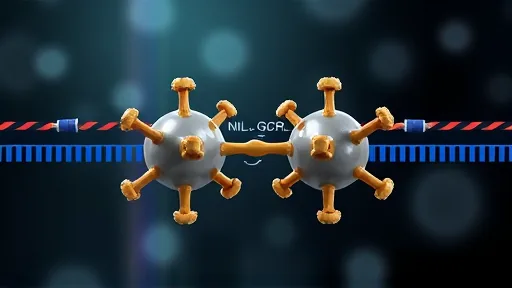
The functional consequences are striking. In cell models, AP-7-168 robustly stabilizes beta-2AR dimerization and drives the formation of enlarged nanoclusters — dense patches of receptors on the cell surface. [1] This clustering is not random. It correlates with sustained bronchorelaxation in cell and tissue models, a finding with direct therapeutic implications. For asthma patients, the ability to keep airways open longer with fewer side effects would represent a meaningful advance. The beta-arrestin pathway, after all, is linked to receptor desensitization — the process by which repeated drug exposure makes a receptor less responsive over time. By selectively blocking this pathway, AP-7-168 might preserve receptor function while delivering its therapeutic effect.
The mechanism also illuminates a broader puzzle in receptor biology. GPCRs were long described as monomers, and the textbooks still teach that model. Yet mounting evidence — now supported by high-resolution structural data — shows that dimerization is not an exception but a regulated feature with distinct signaling properties. The question was never whether dimers exist; it was whether they could be controlled. AP-7-168 demonstrates that they can be, with a small molecule that acts as an allosteric stabilizer. The compound does not simply occupy a binding site; it creates a bridge between two protomers, locking them in a signaling-selective arrangement.
The implications extend beyond this one receptor. If ligand-stabilized dimerization works for beta-2AR, it may work for other GPCRs that form dimers — and many do, including receptors involved in dopamine, serotonin, and opioid signaling. The strategy offers a new axis for drug discovery: instead of designing molecules that fit a single binding pocket, researchers could design molecules that fit between two receptors. This is a different kind of pharmacology, one that treats the receptor’s quaternary structure as a druggable target. The therapeutic potential is considerable, particularly for conditions where biased signaling is desirable — asthma, cardiovascular disease, metabolic disorders, and beyond.
The structural work reveals something unexpected about how the molecule achieves its effect The two AP-7-168 molecules do not simply occupy symmetric positions. They pack within a pocket formed at the interface of the two protomers, stabilizing a dimeric conformation that selectively prevents beta-arrestin coupling. This is a precise, geometrically defined interaction — not a generic hydrophobic effect. The specificity explains why the compound produces biased signaling rather than a general suppression of receptor function. It also suggests that other dimer-stabilizing molecules could be designed with similar precision, targeting specific dimer interfaces for specific signaling outcomes.
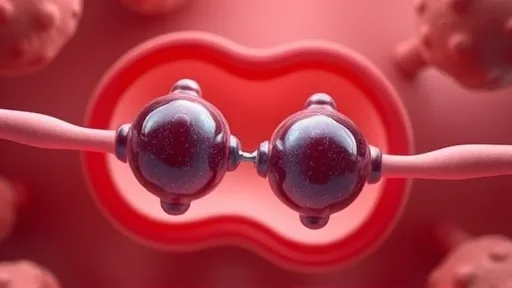
The research team has demonstrated the compound’s efficacy in cell and tissue models. The next step is to test whether the result can be replicated in more complex systems, moving from tissue models toward whole organisms. The path from tissue models to whole organisms is long and uncertain, but the structural and functional data provide a strong foundation. If the dimer-stabilizing mechanism holds up in vivo, it could open a new chapter in GPCR pharmacology — one where the receptor’s social life, not just its solitary function, becomes the target of therapeutic intervention.
Sources
1. Nature