Wolverine Decline Linked to Frozen Conservation Payments
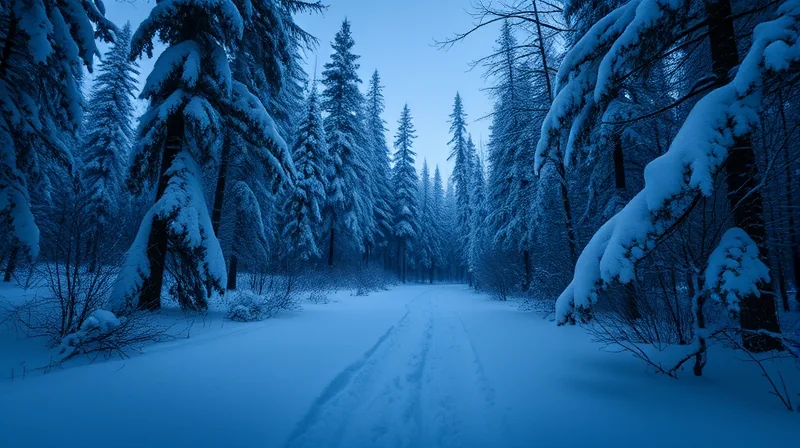
The absence was not noticed at first. A wolverine den, once a reliable landmark for rangers, sat empty for two seasons. The tracks that usually marked the spring migration of young wolverines simply did not appear. The silence in the forest was not a sound. It was a gap in the data. For the Sámi reindeer herders, the absence meant something else. It meant the payments for coexisting with the predator were no longer arriving. The government had promised money for every wolverine family that lived on their land. Now the families were gone. The herders wondered if the wolverines had left because the system had failed them. Or perhaps the wolverines had left because the people no longer trusted the system to protect them. The answer, researchers would later discover, was both.
Before 1996, Sweden had a different relationship with its wolverines. The predator was seen as a threat to reindeer herds. The government paid compensation for every reindeer killed by a wolverine. This was the old way. It was a system built on damage. A herder had to prove a wolverine had killed an animal. The proof required a carcass. The carcass required a ranger to confirm the cause of death. The process was slow. It was expensive. It created resentment. Herders felt they were being paid to suffer losses, not to prevent them. The wolverine population declined. The government realized the old system was not working.
In 1996, Sweden introduced a new approach. It was called the Conservation Performance Payment program. The idea was simple. Instead of paying for damage, the government would pay for presence. If a wolverine family reproduced on a herder’s land, the herder received a payment. The payment did not depend on whether any reindeer were killed. It was a reward for coexistence. The wolverine was no longer a liability. It became an asset. This was the revolutionary idea. It was the first program of its kind in the world. Other countries watched closely.
The early results were remarkable. By 2015, researchers reported that the wolverine population in Sweden had increased significantly. The program was hailed as a global model. Conservationists from Norway, Canada, and the United States studied the Swedish approach. They wanted to replicate it for wolves, bears, and lynx. The program seemed to solve two problems at once. It protected an endangered species. It provided income for an Indigenous community. The Sámi herders had been struggling for centuries. Their traditional way of life was under pressure from mining, forestry, and climate change. The wolverine payments offered a new source of income.
The Frozen Payment That Lost Its Value
The problem began with a number. In 2002, the government set the payment at 200,000 Swedish kronor per wolverine reproduction. That number seemed reasonable at the time. It covered the costs of coexistence. It allowed herders to tolerate the predator. But the government did not adjust the number. Year after year, the payment remained the same. Inflation ate away at its value. The cost of reindeer meat rose. The cost of fuel for snowmobiles rose. The cost of maintaining fences and monitoring herds rose. The payment did not rise.
By 2024, the real value of the payment had approximately halved. The Sámi Parliament calculated that the legal payout should be at least 480,000 kronor to match the original intent. [2] The government offered an increase of only 25,000 kronor. That was a 12.5 percent increase on paper. In reality, it was a 5 percent increase when adjusted for inflation. The herders felt cheated. They had trusted the system. They had allowed wolverines to live on their land. They had accepted the risk of losing reindeer. Now the government was telling them the payment was worth half of what it used to be.
Dr. Hanna Pettersson from the University of York’s Leverhulme Centre for Anthropocene Biodiversity led the new study. [1] She spent time with wildlife rangers in the Arctic. She interviewed herders in Norrbotten, Sweden’s northernmost county. She analyzed 30 years of data from the program. What she found was a pattern of decline. The wolverine population in Norrbotten had dropped sharply. In the early 2000s, the county accounted for roughly two-thirds of all documented wolverine reproductions in Sweden. Today, that figure has fallen to less than one-third. The region consistently fails to meet minimum conservation targets.
The decline was not uniform across Sweden. Wolverines were spreading into southern parts of the country. This might seem like good news. But the researchers saw it differently. The spread southward was a sign of desperation. Wolverines were leaving their traditional strongholds because conditions there had become unfavorable. The southern areas offered different prey. They offered less competition. But they also offered less protection. The wolverines were moving into territory where they faced new threats from roads, settlements, and agriculture.
The Snow That Betrayed the Tracks
Climate change added another layer of complexity. The Arctic snow was changing. It was melting earlier in the spring. It was falling later in the autumn. The snow cover was becoming thinner. It was becoming less predictable. Wolverine tracks are easiest to detect in fresh snow. When the snow is deep and consistent, a wolverine’s path is clear. When the snow is patchy and shallow, the tracks disappear. The rangers could no longer rely on the snow to reveal the wolverines.
The documentation requirements were strict. To count a wolverine reproduction, rangers needed clear evidence. They needed tracks that showed a female with young. They needed photographs. They needed multiple sightings. The changing snow made this harder. Many apparent wolverine sightings were rejected because they did not satisfy the documentation requirements. The official counts might not reflect the true number of animals. The researchers noted this uncertainty. But they also noted that the trend was clear. Whether the true population was declining or merely harder to count, the program was failing to achieve its goals.
The herders felt the impact directly. When a wolverine reproduction was not documented, the payment was not made. The herder lost income. The herder also lost trust. If the system could not reliably count the wolverines, how could it reliably pay for coexistence? Some herders began to wonder if the program was worth the trouble. Others began to question whether the government was deliberately undercounting the wolverines to save money. The conspiracy theories spread. The resentment grew.
The Burden Shifted to the Herders
The researchers identified a deeper problem. The government had designed the program to share the costs of coexistence. The idea was that society would pay for the privilege of having wolverines on the landscape. The herders would not have to bear the full burden. But the frozen payment had shifted the burden back to the herders. They were now absorbing the rising costs of living alongside the predator. They were paying for the wolverines’ presence out of their own pockets.
The herders were already under strain. Mining companies were expanding into their traditional lands. Forestry operations were cutting down the forests where the reindeer grazed. Climate change was altering the migration patterns of the herds. The cumulative impacts were overwhelming. The wolverine payments were supposed to be a lifeline. Instead, they had become another source of stress.
Dr. Pettersson described the situation as a warning sign for other global conservation efforts. She said governments must plan ahead and adapt interventions to changing conditions and local needs. The Swedish program had been a model. Now it was a cautionary tale. The lesson was that conservation success requires long-term commitment. It requires more than a good idea. It requires sustained funding. It requires trust between the government and the community. It requires adaptability in the face of changing conditions.
The study was published in Conservation Letters. The researchers used ecological monitoring records and interviews. They spent time in the field. They talked to the herders. They listened to the rangers. They analyzed the data. The picture that emerged was one of a program in crisis. The early success had created a false sense of security. The government assumed the program would continue to work without adjustment. The assumption was wrong.
The Comparison to Other Systems
The Swedish program was not the only conservation performance payment system in the world. Similar programs existed for wolves in the United States, for bears in Canada, and for elephants in Africa. Each program faced similar challenges. The payments were often too low. The trust between communities and governments was often fragile. The conditions on the ground were always changing.
In the United States, the Defenders of Wildlife had pioneered a compensation program for ranchers who lost livestock to wolves. [4] The program was initially successful. But as wolf populations recovered, the number of claims increased. The payments could not keep up. Ranchers grew frustrated. Some turned to illegal killing. The program was eventually replaced with a performance payment system similar to Sweden’s. But the same problems emerged. The payments were too low. The trust was too thin.
In Canada, the government had tried a similar approach for grizzly bears. The program paid ranchers for every bear that survived on their land. The early results were promising. But the payments were not adjusted for inflation. The ranchers began to see the bears as a financial liability rather than an asset. The program lost support.
The common thread was time. The programs were designed for a specific moment. They were not designed to adapt over decades. The researchers from the University of York and the Swedish Agricultural University emphasized this point. [3] They said governments must treat conservation as a long-term investment, not a short-term fix.
The Role of the Sámi Parliament
The Sámi Parliament played a key role in the Swedish story. This was the elected body that represented the Sámi people. It had been pushing for higher payments since 2010. It had calculated the legal payout should be at least 480,000 kronor. It had presented the evidence to the government. The government had ignored the evidence.
The Sámi Parliament was not just a political body. It was a cultural institution. It represented a people who had lived in the Arctic for thousands of years. The Sámi had developed a deep understanding of the landscape. They knew the wolverines. They knew the reindeer. They knew the snow. The government had designed the program without fully consulting them. The government had assumed the herders would accept the payments without question. The assumption was wrong.

The herders had their own knowledge. They knew when the wolverines were reproducing. They knew when the tracks were hard to find. They knew when the snow was changing. The government’s documentation requirements ignored this knowledge. The system treated the herders as passive recipients of payments. It did not treat them as partners in conservation.
The researchers noted this disconnect. They said the program needed to incorporate local knowledge. It needed to trust the herders. It needed to adapt to the conditions on the ground.
The Deeper Historical Context
The wolverine had a long history in Sweden. The species had been hunted to near extinction in the 19th century. The fur was valuable. The predator was seen as a threat to livestock. The government offered bounties for dead wolverines. The population collapsed.
By the 20th century, the wolverine was a rare sight. The government began to protect the species in the 1960s. The population slowly recovered. But the recovery created new conflicts. The wolverines returned to areas where they had been absent for generations. The herders had forgotten how to live with them. The government had forgotten how to manage them.
The Conservation Performance Payment program was an attempt to bridge this gap. It was a recognition that the old approach of bounties and compensation had failed. It was a recognition that the herders needed a reason to tolerate the predator. The program worked for a time. But the underlying tensions never disappeared.
The herders had always seen the wolverine as a competitor. The wolverine killed reindeer. The wolverine disrupted the migration patterns. The wolverine was a symbol of the wild, but the wild was a threat to the herders’ livelihood. The program was supposed to change this perception. It was supposed to make the wolverine a source of income rather than a source of loss. But the frozen payment undermined this goal. The herders began to see the wolverine as a burden again.
The Parallel to Other Conservation Successes
The Swedish wolverine program was not the only conservation success story that had faded. The same pattern had occurred with the mountain gorillas in Rwanda. The gorilla tourism program had been a huge success in the 1990s. It had brought money to the local communities. It had protected the gorillas. But the payments to the communities were not adjusted for inflation. The benefits became smaller over time. The communities grew resentful. The gorillas faced new threats.
The same pattern had occurred with the sea turtles in Costa Rica. The conservation program had paid fishermen for every nest that survived. The early results were promising. But the payments were not adjusted for the rising cost of living. The fishermen returned to poaching. The turtle population declined.
The common factor was the failure to plan for the long term. The governments and conservation organizations assumed the initial success would continue. They did not build in mechanisms for adjustment. They did not anticipate the changing conditions. They did not maintain the trust of the local communities.
Dr. Pettersson and her colleagues emphasized this point. They said the Swedish program offered a cautionary lesson for the world. The lesson was that conservation is not a one-time achievement. It is an ongoing process. It requires constant attention. It requires adaptation. It requires investment.
The Economic Reality of the Frozen Payment
The number 200,000 kronor was not arbitrary. It was based on a calculation of the average cost of coexistence. The calculation included the value of reindeer lost to wolverine predation. It included the cost of monitoring the herds. It included the cost of adjusting migration routes. It included the cost of stress and inconvenience.
The calculation was made in 2002. The world was different then. The cost of fuel was lower. The cost of meat was lower. The cost of labor was lower. The climate was more predictable. The calculation did not account for the future. It assumed the costs would remain stable. They did not.
By 2024, the cost of a single reindeer had more than doubled. The cost of fuel for snowmobiles had tripled. The cost of maintaining fences had increased by 50 percent. The herders were spending more money to coexist with the wolverines, but the government was paying them the same amount. The gap between the cost and the payment had grown to approximately 280,000 kronor per reproduction.
The herders were not wealthy. The reindeer herding was a marginal livelihood. The profit margins were thin. The herders could not absorb the rising costs. They had to make choices. Some stopped allowing wolverines on their land. Some began to hide the presence of wolverines to avoid the paperwork. Some simply gave up and moved to other livelihoods.
The researchers documented this trend. They found that the number of herders participating in the program had declined. The trust had eroded. The system was unraveling.
The Scientific Evidence from the Study
The study was based on 30 years of data. The researchers combined ecological monitoring records with interviews. They visited the field. They accompanied the rangers. They analyzed the numbers.
The numbers told a clear story. In the early 2000s, Norrbotten had roughly two-thirds of all documented wolverine reproductions in Sweden. Today, that figure is less than one-third. The county regularly fails to meet minimum conservation targets. The wolverine population is declining in the areas where it was once strongest.
The researchers also found that the wolverines were spreading into southern Sweden. This might seem like a positive development. But the spread was not driven by population growth. It was driven by displacement. The wolverines were leaving the north because conditions had become unfavorable. The south offered different prey and less competition. But it also offered less protection.
The researchers noted that the official counts might not reflect the true number of animals. The changing snow conditions had made tracking more difficult. Many apparent wolverine sightings were rejected because they did not satisfy the documentation requirements. The true population might be higher than the official counts. But even if the true population was stable, the program was failing to achieve its goals. The herders were not being paid. The trust was eroding. The system was broken.
The Broader Implications for Conservation
The Swedish wolverine program was a test case. It was the oldest conservation performance payment system in the world. It had been studied by researchers from around the globe. It had been cited as a model for other programs. Now it was failing.
The researchers from the University of York and the Swedish Agricultural University concluded that the program’s failure offers a cautionary lesson for global conservation: governments must treat conservation as a long-term investment, adapting to changing conditions and maintaining trust with local communities through sustained funding and inclusive decision-making.
The researchers also noted that the program was not a failure in the traditional sense. The wolverine population had not collapsed. The species was still present in Sweden. But the program was no longer delivering the benefits it was designed to deliver. The herders were no longer being compensated fairly. The trust was gone. The system was losing its legitimacy.
The study was published in Conservation Letters. The DOI was 10.1111/con4.70057. The lead author was Dr. Hanna Pettersson. The co-authors were Malin Aronsson and Jens Persson. The research was funded by the Leverhulme Centre for Anthropocene Biodiversity at the University of York.
The Human Cost of the Frozen Payment
The herders were not just losing money. They were losing their way of life. The reindeer herding was not just a job. It was a culture. It was a tradition. It was a connection to the land. The wolverine program was supposed to protect this culture. Instead, it was adding to the pressure.
The herders faced a constant dilemma. They wanted to protect the wolverines. They understood the ecological value of the predator. They had accepted the program in good faith. But the frozen payment was making it impossible to continue. They had to choose between their livelihood and the wolverines.
Some herders chose to move their herds to areas with fewer wolverines. This meant longer migrations and higher costs. Others chose to reduce the size of their herds. This meant less income. Others chose to leave the herding altogether. This meant the loss of a cultural tradition.
The researchers documented these choices. They found that the number of herders had declined by 15 percent over the past decade. The decline was not caused solely by the wolverine program. But the program was a contributing factor. The herders felt abandoned by the government.
The Government’s Response
The Swedish government had not ignored the problem entirely. In 2024, it offered a 25,000 kronor increase to the payment. This was a 12.5 percent increase on paper. But when adjusted for inflation, it was a 5 percent increase. The herders saw it as an insult.
The government argued that the budget was limited. It said there were competing priorities. It said the program was still working. The researchers disagreed. They said the program was losing its effectiveness. They said the government needed to do more.
The Sámi Parliament continued to push for a higher payment. It calculated that the legal payout should be at least 480,000 kronor. It cited the law that required the government to compensate the herders for the costs of coexistence. The government did not respond.
The researchers noted that this pattern—initial enthusiasm followed by funding erosion—is common in conservation programs globally, leaving local communities to absorb rising costs and undermining long-term success.
The Role of Climate Change
Climate change was a complicating factor. The Arctic was warming faster than the rest of the planet. The snow was melting earlier. The snow cover was becoming thinner. The wolverines were finding it harder to survive. The herders were finding it harder to track them.
The changing snow conditions had a direct impact on the program. The wolverine tracks were harder to detect. The documentation requirements were stricter. The official counts were lower. The herders were not being paid for wolverines that existed but could not be documented.
The researchers noted that climate change was not a problem that could be solved by adjusting the payment. It was a structural challenge. It required a different approach. The government needed to adapt the program to the new conditions. It needed to trust the herders’ knowledge. It needed to use new technology. It needed to accept that the old methods of tracking were no longer reliable.
The Future of the Program
The researchers called for a fundamental redesign: adjusting payments for inflation, updating documentation requirements to incorporate local knowledge and new technology, and rebuilding trust between the government and the herders through genuine partnership.
The researchers emphasized that the program cannot succeed in isolation; it must be integrated with broader conservation efforts addressing multiple threats to reindeer, wolverines, and the Sámi way of life, including mining, forestry, and climate change.
The study serves as a warning: conservation is not a one-time achievement but an ongoing process requiring constant attention, adaptation, and investment. The Swedish wolverine program, once a global model, now stands as a cautionary tale of how success can erode without long-term commitment.
The Measurement That Pauses the Reader
The researchers calculated that inflation had eroded the payment’s value by 280,000 kronor per reproduction per year, totaling approximately 6.16 million kronor in real terms over 22 years—a stark measure of the government’s inaction and the financial burden shifted to the herders.