
Why Some People Lose Nothing on GLP-1 Drugs
The Responders Who Don’t Respond
Daniel Drucker, an endocrinologist at the University of Toronto in Canada whose work aided in the development of GLP-1 drugs, puts the puzzle plainly: “There is tremendous heterogeneity” in how people respond to these medications. “And we really don’t understand that.” The first generation of GLP-1 drugs was designed to treat diabetes. Weight loss arrived as an unexpected dividend. That accidental discovery reshaped an entire drug class. It also created a mystery that has sat unresolved ever since.
The scale of that mystery is now measurable. Most people taking the popular GLP-1 drugs shed substantial amounts of weight — an average of one-quarter of their body weight according to one study. Then there is the other group. Between 10 and 15% of people using the drugs lose minimal weight or none at all. A drug that works dramatically for the majority simply does not work for a sizable minority. The question is why.
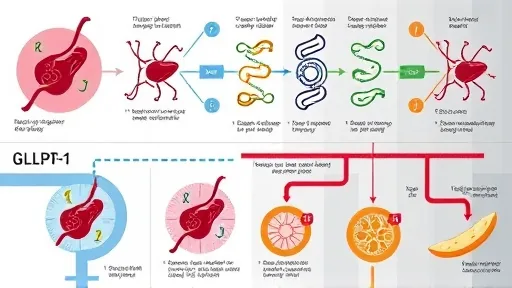
It is the central problem the field has to solve. Understanding why some people see no benefits from potent anti-obesity medications could lead to new therapies and personalized weight-loss regimens. The non-responders are not failures of the drug. They are the data that points toward what the drug is missing.
The Clock on Personalized Dosing
The timeline for turning this insight into clinical practice runs through two parallel tracks. The first is diagnostic: identifying who will respond before the first injection. The second is therapeutic: building something for the people who will not. Both tracks are active. Neither has reached the clinic.
The second track is pharmacological. If 10 to 15% of patients do not respond to GLP-1 drugs, then the next generation of obesity medications cannot be a single molecule. The research question is no longer whether GLP-1 drugs work. It is which patient needs which mechanism. That shift — from one drug for everyone to one drug for this person — is the change the field is now living through. At the University of Copenhagen, researchers are testing whether combining a GLP-1 drug with a second appetite pathway can reach the non-responders the current class leaves behind.

Sources
1. DOI: 10.1038/d41586-026-03020-3
2. Medicalxpress — Quote source (original article)