
Unseen Household Labor Strains Relationships
For decades, household labor was measured in hours spent scrubbing, cooking, and folding. Couples argued about who loaded the dishwasher and who swept the floor. Therapists asked partners to split the visible work evenly. Yet something remained missing from that equation. The mental strain of remembering that the kids need dentist appointments, that the fridge is nearly empty, and that Aunt Mary’s birthday falls on Tuesday never showed up on any chore chart. Researchers at the University of Queensland have proposed a framework they call the ‘tri-load’ of household labor, distinguishing physical chores from cognitive planning and emotional caretaking. Their work suggests that relationships suffer not just from unequal physical work, but from an invisible burden that never gets counted.
The tri-load framework breaks household labor into three distinct categories. Physical labor covers the traditional chores: washing, cleaning, and cooking. Cognitive labor involves the planning work: mapping out shopping lists, scheduling appointments, coordinating family logistics. Emotional labor operates on a deeper level: anticipating needs, caring for others, comforting, and consoling. Together, these three loads shape the real experience of running a home. The physical component gets seen. The cognitive and emotional components often remain hidden, even from the partners who carry them.
This tri-load framework changes how relationship health should be evaluated. Previous research and common wisdom treated housework as a single category with a single question: who does more? The Queensland researchers suggest that question misses most of the picture. A partner who never touches a mop might still carry the entire cognitive load of the household. Another might do all the emotional work of keeping family members connected and supported. When researchers examine couple health without accounting for all three loads, they see only the tip of the problem.
The key insight is that these burdens interact with each other. Physical exhaustion from chores compounds with the constant low-level stress of cognitive tracking. Emotional labor adds another layer of depletion. Couples who appear balanced on the surface, with equal physical contributions, may still experience deep inequality when the full tri-load gets considered. The University of Queensland research argues that recognizing this full scope is essential for understanding why some relationships thrive while others strain under invisible pressure. .
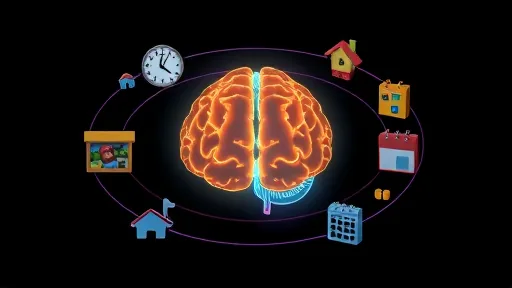
Why the Mental Load Refuses to Show Up in Data
The framework points to a fundamental measurement problem. Cognitive and emotional labor do not leave visible traces. A shopping list being mentally composed cannot be photographed. The moment one partner anticipates the other’s stress and offers comfort cannot be time-stamped. Physical chores produce observable outcomes: clean floors, folded laundry, prepared meals. The other two loads produce nothing tangible, which makes them nearly impossible to quantify using traditional research methods.
This invisibility has practical consequences for couples seeking help. When a relationship counselor asks about household duties, most partners answer in terms of physical tasks. Neither partner may have the vocabulary to describe the cognitive or emotional contributions they make or lack. The tri-load framework gives couples and researchers that vocabulary, but it also reveals how much previous work has overlooked. Without proper tools to measure all three loads, studies of household labor and relationship health remain incomplete. .
Measurement challenges also affect how couples perceive fairness in their own homes. The partner doing physical chores can point to their work as evidence of contribution. The partner carrying cognitive and emotional loads may struggle to articulate what they do all day, even when that work is constant and draining. This asymmetry creates conflict not because one person works less, but because two different kinds of work cannot be easily compared. The Queensland researchers suggest that recognizing the tri-load helps partners see contributions they previously dismissed or overlooked entirely
What the Tri-Load Framework Cannot Yet Tell Us
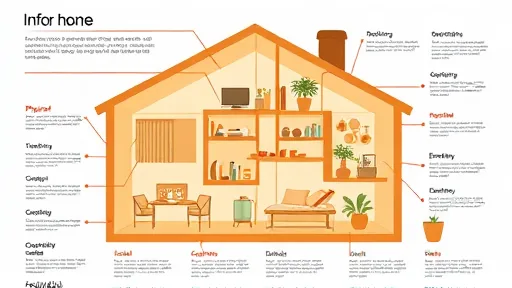
Identifying the three loads is a crucial first step, but measuring them accurately across different households remains an open challenge. Quantifying emotional labor in a way that allows meaningful comparison between couples is difficult. Separating cognitive load from general life stress is equally hard. These questions require further research and better measurement tools before the framework can produce definitive clinical guidance.
The University of Queensland research establishes that these loads exist and matter for relationship health. What it cannot yet provide is a precise formula for how the three loads should be balanced. The researchers do not claim that every couple must split each load exactly evenly. Different relationships may find different equilibrium points. The immediate value lies in recognition: naming the full scope of household work so that couples, therapists, and researchers can finally see what was always there but never counted. That recognition, the study suggests, is the necessary foundation for whatever comes next.