The Microbe as Climate Engineer: A Blueprint for a Habitable Earth
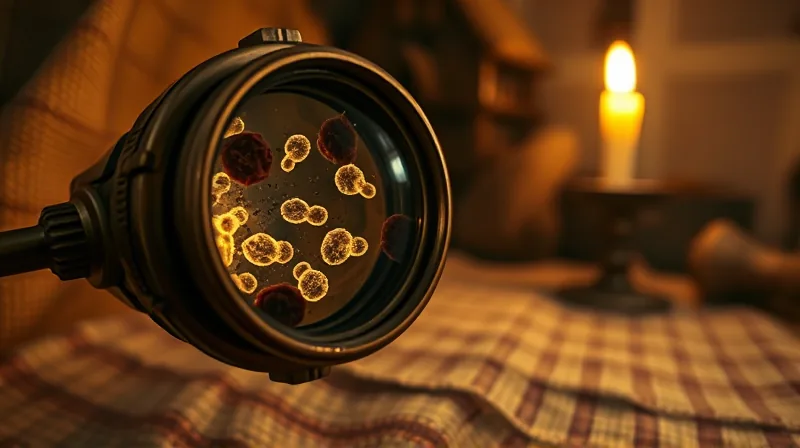
Antonie van Leeuwenhoek ran a draper’s shop in Delft during the 17th century. He wanted to inspect the weave of cloth and had lenses custom-built for the task. What he pointed those lenses at instead was his own dental plaque — and in doing so he became the first person to see bacteria. Steven Allison’s book, The Age of Microbes, makes a case for treating microbes as a force to work with rather than fight.
Allison is a professor of ecology at the University of California, Irvine, and his book, The Age of Microbes: A Blueprint for a Habitable Earth, arrives from Harvard University Press. He does not present microbes as a curiosity to be catalogued. He presents them as a workforce already on the payroll, largely unmanaged, and argues they could play a far larger role in controlling or even reversing climate change than we imagine. The organisms he and others envision deploying against climate change are non-toxic and non-pathogenic — a distinction that matters, because many bacteria, archaea, fungi and viruses are currently dismissed as insignificant or targeted as pathogens to be wiped out.
The scale involved is hard to hold in the mind. Nearly 3 billion billion billion oxygen-producing Prochlorococcus cyanobacteria float in the ocean — thousands more than the stars in the known universe. [1]
Swallow the Carbon, Hold It for Millennia
Microbes are extraordinarily good at taking carbon in. They are equally good at letting it out again. The whole problem, as Allison frames it, is the gap between those two abilities. Get them to swallow carbon and harbor it for thousands of years and you have a carbon sink. Let them exhale it and you have a source.
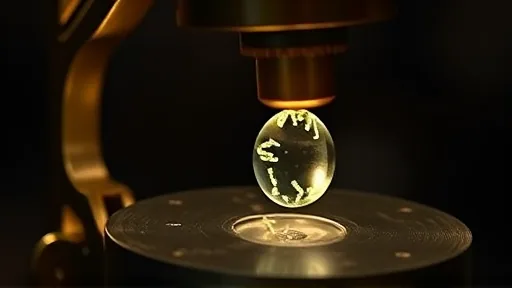
That long holding is not hypothetical. When microbial remains are preserved in the ground or at the bottom of the ocean, they form clumps called necromass — Allison’s “microbial mummies.” [1] Researchers are now investigating the genes behind necromass formation, hoping to selectively breed for them or to produce “designer microbes.” The economic argument is as striking as the biological one. Compared with installing solar mirrors in space or sucking carbon dioxide straight out of the air, microbes are cheap, abundant, easy to produce and entirely organic.
Biofilms, Reefs and the Risk Ledger
A biofilm is a layer of slime built from carbohydrates, proteins and other sticky biomolecules. Most people know two examples and hate both: dental plaque and the ring around a toilet bowl. In moving water, the same structure does something indispensable. It holds water like a sponge, so microbes are not swept away. It shields them from drying out. It keeps predators — animals or viruses in the soil — from reaching the prey inside. And within that slime, microbes find the carbon and nutrients they need to grow.
The vocabulary Allison carries the reader through is technical and he does not soften it: phycoerythrins, the light-harvesting and naturally fluorescent proteins found in certain cyanobacteria. He also gives microbes their own character roles, and he keeps the reader oriented as the vocabulary turns technical. Bacteria-eating viruses pursue what he calls an “insidious lifestyle” known as lysogeny inside their hosts. Zooplankton graze like cattle and, in his phrasing, “poop a lot.” Credit is distributed with unusual care. The greenhouse effect was discovered by Eunice Newton Foote, who published a paper on it in 1856. A century later, biologist Mary Mandels pioneered cellulosic ethanol using fungal enzymes. If we ever fly on jets powered by carbon-neutral fuel, Allison says, “you’ll have microbes and Mary Mandels to thank.” [1] He also credits the Earth wisdom of Indigenous peoples, including the Pacific Northwest Karuk, who understand the importance of mushroom networks.
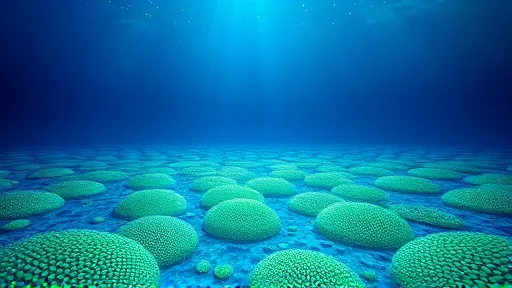
The risk side gets its own labor, and the book gives it real space. Some labs are working through complex risk-benefit analyses of commercial products that tout microbial benefits. Others are testing microbial “inoculants” to restore soil depleted or destroyed by millennia of agriculture. And the long shots are real: with forecasts of losing most of the world’s coral reefs by the end of this century, “probiotic” microbes that boost heat tolerance and reduce bleaching could protect reefs that millions of people depend on.
Sources
Mentioned organisations (context, not sources)
- University of California, Irvine — Organisation (homepage)
- Harvard University Press — Organisation (homepage)
DeepThink Search AI-generated, for reference only