
Supercentenarians immune system fights cancer with rare T cells
Most people assume aging means the immune system simply winds down, becoming weaker and less effective with each passing year. That assumption holds true for the vast majority of humanity, but it collapses entirely when you examine those who push past 100 years of life. Something different happens in the bodies of the oldest people on Earth, and it defies everything researchers thought they knew about immune decline.
The paradox emerges from a simple observation: supercentenarians, people aged 110 and older, not only survive to extraordinary ages but also manage to fend off the diseases that typically end long lives. Heart disease, dementia, cancer, and other age-related conditions seem to spare these rare individuals with remarkable consistency. Their immune systems appear to be doing something that protects them, something that younger bodies either cannot do or have not yet learned to do.
A new study published in Cell Reports on August 19, 2026, reveals what that something might be. [1] People who live past 110 carry unusually large populations of a rare type of immune cell capable of killing cancer. These cells, called killer T cells, exist in everyone, but supercentenarians possess them in concentrations that dwarf what researchers see in younger people. Whether these cells actually help people reach such extraordinary ages remains unproven, but the correlation is striking enough to demand serious investigation.
The research team, led by biologist Kosuke Hashimoto at the University of Osaka in Japan, has spent years studying what makes these exceptional individuals different. Most immune aging research has focused on decline, Hashimoto notes, but his team’s work suggests something far more interesting. Even at extreme old age, the immune system may still selectively adapt, reshaping itself in ways that protect rather than deteriorate.
A Rare Cell Type Thrives in the Oldest Bodies
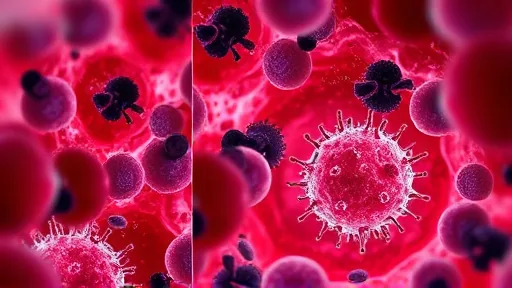
The current study builds directly on a 2019 finding by Hashimoto and his colleagues, who discovered that supercentenarians possess relatively large numbers of a rare cell type called CD4 cytotoxic T lymphocytes, or CD4 CTLs for short. [1] These are specialized immune cells whose job is to kill other cells, particularly those that pose a threat to the body. They are not the most common type of T cell, but they appear to play an outsized role in the immune response of the very old.
In the general population, CD4 CTLs make up less than 5 percent of the total T cell population. They are not as thoroughly studied as other T cell types, largely because they are relatively uncommon and difficult to isolate. However, researchers have detected them during viral infections, and mounting evidence suggests they can kill cancer cells, including lung cancer and melanoma cells. The question Hashimoto’s team wanted to answer was when these cells begin to proliferate and expand their numbers.

Studying supercentenarians presents unique challenges, primarily because so few people actually reach that age. In Japan, where the study was conducted, only about 150 people aged 110 or older exist at any given time. The research team enrolled 28 participants total, including eight individuals aged 70 to 90, ten centenarians aged 100 to 109, and ten supercentenarians aged 110 and above. This relatively small sample represents a significant portion of the available population of such individuals in the entire country.
What the researchers found confirmed their earlier work while adding crucial new details. CD4 CTLs were abundant in supercentenarians, just as they had found in 2019. But the cells also appeared in large numbers in centenarians, suggesting this immune adaptation begins around the age of 100. The younger participants showed normal abundance, with CD4 CTLs making up about 4 percent of their total T cells, a figure consistent with what researchers expect in the general population.
The proportions told a remarkable story of immune transformation. Centenarians showed CD4 CTL levels around 10 percent of their total T cell population, more than double what younger people carry. Supercentenarians showed even higher concentrations, with these cells comprising around 18 percent of their T cells. This steady increase with age suggests the immune system is not simply deteriorating but actively changing its composition in response to something.
How These Cells Multiply and What They Target
The researchers discovered something even more revealing about how these cells behave. Each T cell the body produces carries a unique receptor, a molecular structure that allows it to recognize and respond to specific antigen threat signals. When a killer T cell encounters its matching antigen, it clones itself, producing an entire line of identical cells programmed to kill that particular target. This is the immune system’s way of mounting a focused, powerful response to a specific threat.
In the centenarians and supercentenarians studied, the researchers found that single clonal lines made up a large percentage of the total CD4 CTL population. In one centenarian’s sample, 53.8 percent of the cells were identical to each other, all descended from a single original cell that had encountered its antigen and multiplied. This level of clonal expansion indicates the immune system is leaping into action in response to a particular persistent trigger, something that keeps stimulating a response over time.
The presence of these expanded clones in the blood raises questions about what they are responding to and where they are going. Because the cells were found circulating in the bloodstream, the research team could not determine which tissues they were entering or what they were doing once they arrived. Blood is the highway system of the body, and these cells could be traveling to any number of destinations to perform their killing functions.
To gain clues about the cells’ targets, the researchers examined the receptors found on the most common CD4 killer cell lines. They compared the amino acid sequences of these cell lines against a database of CD4 cell receptors compiled from previous research. The results were striking: around 30 sequences from the study matched sequences from people with cancer in the database, even though none of the study participants had experienced any kind of cancer during their lives.
Receptors That Match Cancer Patients’ Immune Signatures
The matches to people with lung cancer were the most frequent, a finding that carries particular weight given the study participants’ clean cancer histories. These supercentenarians and centenarians had never developed cancer, yet their immune cells carried receptors identical to those found in cancer patients. This suggests their immune systems had been actively targeting cancer-related antigens for years, possibly keeping malignant cells from ever gaining a foothold.
The implication is that these individuals’ immune systems may have been fighting off cancer throughout their later decades, preventing the disease from ever manifesting. The killer T cells appear to recognize and destroy cancerous cells before they can form tumors or spread. This could explain why supercentenarians seem to escape cancer, a disease that claims the lives of millions of older adults every year.
The correlation between abundant CD4 CTLs and extreme longevity is clear, but causation remains unconfirmed. It is possible these cells help people live longer by fighting cancer, but it is also possible they are a byproduct of some other process that enables extreme longevity.
The findings suggest that immune aging research has been looking in the wrong direction. Instead of focusing exclusively on decline, researchers should examine how the immune system adapts and transforms in the oldest members of the population. The immune system of a supercentenarian is not a weakened version of a younger person’s immune system but something qualitatively different, shaped by decades of encounters with threats and refined by natural selection at the cellular level.
Hashimoto and his colleagues plan to continue investigating when and how CD4 CTLs proliferate, hoping to identify the triggers that cause this immune expansion. Understanding this process could provide clues to help everyone stay healthy longer, potentially by stimulating similar immune responses in younger people. The path from this discovery to practical applications remains long, but the direction is clear: the immune system of the very old holds lessons that could benefit everyone. Parallel work at the RIKEN Center for Integrative Medical Sciences in Japan is exploring how T cell populations shift in the oldest segments of the population, offering an independent check on whether these immune adaptations are unique to supercentenarians or part of a broader pattern in extreme aging.