A century old vaccine shows promise for diabetes and cancer
The Bacillus Calmette-Guérin vaccine is one hundred years old. It protects against tuberculosis. Many countries give it to infants. Now scientists test it for other diseases. A recent phase II clinical trial shows this vaccine helps people with type 1 diabetes. [1] It also helps people with another autoimmune condition. These patients can reduce their insulin use. This finding supports an old idea. Vaccines made with living but weakened germs might protect against more than their target disease.
We used to think vaccines only worked for one disease. The BCG vaccine fights tuberculosis. That was its only job. Now we see a broader picture. The vaccine trains the whole immune system. It does not just attack tuberculosis germs. It changes how the body handles other threats. For diabetes patients, this means better blood sugar control. They need less insulin. This is a big change from standard treatment.
How a Tuberculosis Vaccine Affects Blood Sugar
The BCG vaccine contains a weakened version of the tuberculosis bacterium. When injected, it wakes up the immune system. The immune system becomes more alert. It starts looking for problems everywhere. In diabetes, the immune system attacks the pancreas. The pancreas makes insulin. Without insulin, blood sugar rises. The BCG vaccine seems to calm this attack. It teaches the immune system to be less aggressive.
Think of it like a fire alarm. Diabetes is a false alarm. The immune system keeps ringing. The BCG vaccine resets the alarm. It tells the immune system to stop overreacting. Patients then produce more insulin naturally. They need less injected insulin. The trial showed clear results. People on the vaccine reduced their insulin doses. Their blood sugar stayed stable. This is a major step forward.
The Same Idea Works for Cancer
Another trial shows a similar approach for melanoma. Melanoma is the deadliest skin cancer. About half of patients see it return after treatment. A new personalized mRNA vaccine changes this. Moderna and Merck developed it. The vaccine uses genetic material from the patient’s tumor. It trains immune cells to find and kill cancer cells.
The trial included 157 patients. All had stage 3 melanoma. The cancer had spread to lymph nodes. Half got standard treatment. That means surgery and immunotherapy. The other half also got the personalized vaccine. After five years, 70% of vaccine patients were cancer-free, compared to 49% in the standard treatment group. The vaccine cut the risk of cancer returning by half and reduced metastasis risk by nearly 60%** .
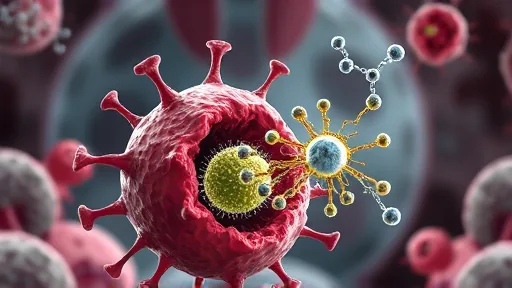
This vaccine works like a wanted poster. It shows the immune system exactly what to look for. Cancer cells have unique proteins on their surface. These are called neoantigens. The vaccine teaches T-cells to attack these proteins. Once trained, the T-cells patrol the body. They kill any cell with those neoantigens. This prevents the cancer from coming back.
A Deeper Look at the Mechanism
Both vaccines use the same basic principle. They reprogram the immune system. The BCG vaccine does this broadly. It changes overall immune behavior. The mRNA vaccine does it precisely. It targets specific cancer proteins. But both achieve a lasting effect.
The immune system has memory. Once trained, it remembers for years. This is why vaccines work long-term. For diabetes, the BCG vaccine creates lasting tolerance. The immune system stops attacking the pancreas. For melanoma, the mRNA vaccine creates lasting surveillance. The immune system keeps hunting cancer cells.
Dr. Janice Mehnert, an oncologist at NYU Langone Health, led the melanoma trial She says standard treatments are not perfect. People relapse. The vaccine adds a new layer of protection. It fills the gap surgery and immunotherapy leave behind. Undetectable cancer cells often remain after surgery. The vaccine finds and destroys them.
Parallels Across Diseases
Scientists now explore this idea for other conditions. An experimental liver cancer vaccine shows promise. Researchers test it in young patients. Another trial works on typhoid fever. The BCG vaccine itself is tested for Alzheimer’s disease. The same principle applies everywhere.
We are seeing a paradigm shift. Vaccines are no longer just for infectious diseases. They become tools for chronic conditions. The immune system is the common thread. If we can train it properly, we solve many problems.
This is not a new idea. Edward Jenner invented the first vaccine in 1796. He used cowpox to protect against smallpox. That was the first off-target effect. A mild disease prevented a deadly one. Now we expand that concept. We use vaccines to treat autoimmune diseases and cancer.
The Human Cost of Inaction
What happens if we ignore these findings? Millions of people suffer needlessly. Diabetes patients inject insulin every day. They monitor blood sugar constantly. The disease damages their eyes, kidneys, and nerves. A simple vaccine could reduce this burden.
Melanoma patients face death. Half of them see their cancer return. They undergo painful treatments. Surgery removes parts of their body. Immunotherapy causes severe side effects. A personalized vaccine could save their lives.
The cost of inaction is measured in human suffering. We have the tools. We know the mechanisms. We need to act. The BCG vaccine is cheap and safe. It is already used worldwide. The mRNA vaccine is more expensive but effective. Both deserve full development.
We must push for larger trials. We must fund research. We must change how we think about vaccines. The next decade could transform medicine, with a century-old vaccine potentially serving as a key tool in this shift.