Smart Glasses and the Ambient Surveillance Crisis
The Device That Watches Without Asking
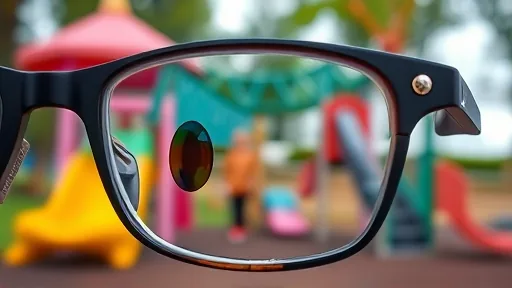
The arrest was not the story. The device was. A pair of glasses, indistinguishable from ordinary eyewear, had turned a public space designed for children’s play into a recording site. No tripod. No phone held aloft. No visible signal that anything was being captured at all.
A major police report has documented what privacy researchers had previously only modeled in simulations — the use of camera-equipped wearables for predatory surveillance in a space where consent is structurally impossible. [1] Children at a spray pool cannot consent. Their parents, watching from a bench, cannot consent on their behalf to a recording they cannot see.
It is a mass-market product, sold as a convenience, worn as a fashion accessory, and equipped with sensors that continuously capture the physical world. A single pair of glasses in the wrong hands is an incident. More than eight million smart glasses were shipped in 2025, and by June 2026, sales of AI-equipped smart glasses had reportedly risen by more than 700% compared with the previous year — an infrastructure for ambient surveillance that no regulator has yet addressed. [1]
From Screen to Skin: The Shift AI Was Waiting For
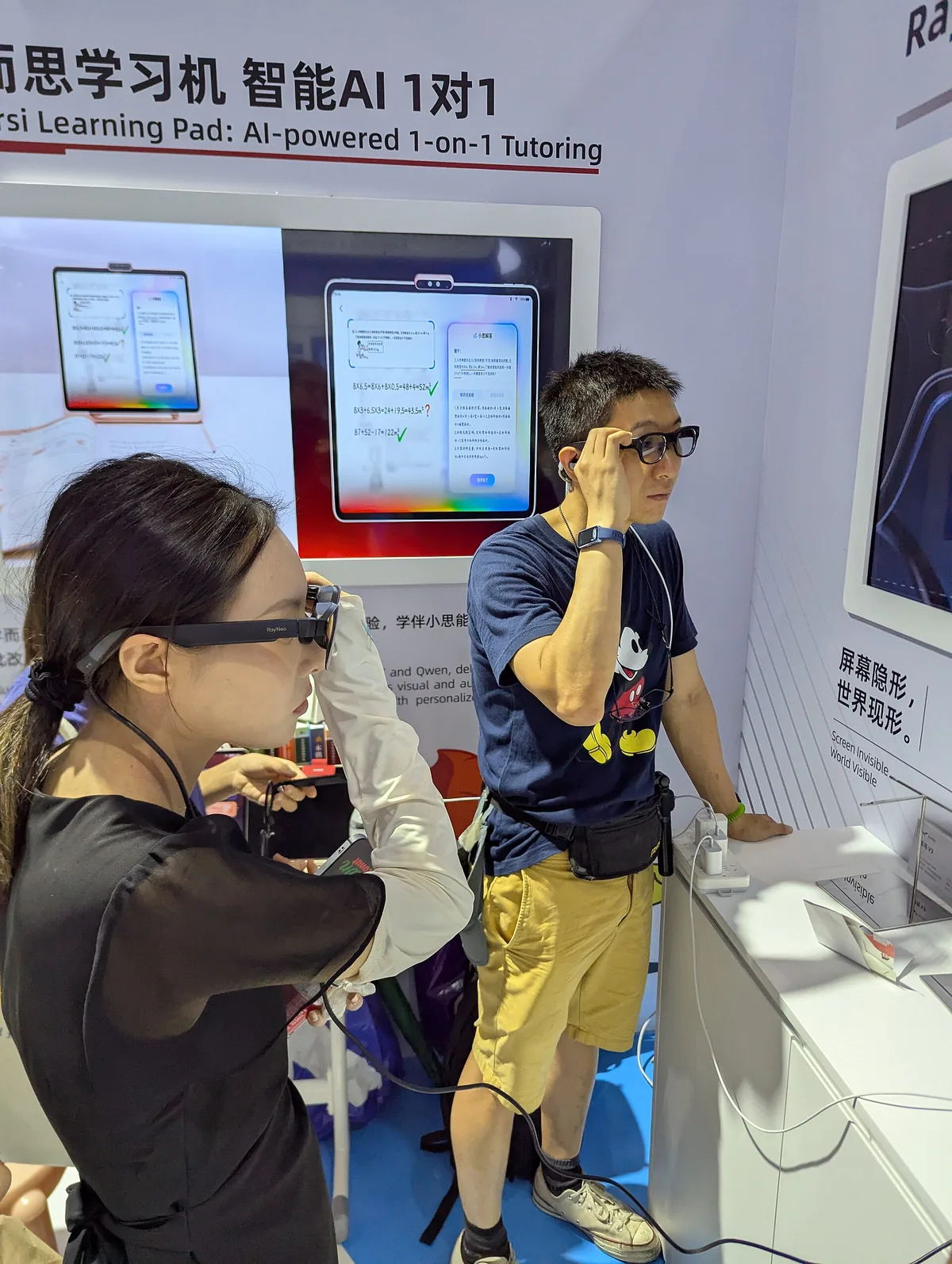
For most of the past decade, artificial intelligence lived on screens. It recommended videos, filtered spam, translated languages. It was contained — not physically, but perceptually. You knew when a camera was pointed at you, because someone was holding a phone. That perceptual boundary is now gone. AI-enabled wearables — glasses, headphones, pendants — embed computation into objects that people wear on their bodies and forget they are wearing. The device does not announce itself. It does not require a hand to hold it. It simply sees.
Joy Buolamwini, a senior fellow at the Institute for Ethics in AI at the University of Oxford and founder of the Algorithmic Justice League in Boston, Massachusetts, has spent a decade studying the harms associated with AI-powered biometric technologies. [1] Her assessment is blunt: policymakers must prepare for a major privacy-related crisis that is brewing. That crisis is not hypothetical.
A security camera watches a place. A phone camera watches what its owner chooses to frame. A smart glass watches whatever enters its field of view, continuously, without a decision that anyone nearby can observe. The person being recorded has no way to know it is happening. The person doing the recording may not even be thinking of it as recording — the device is always on, always sensing, always feeding data into systems that can analyze it later.