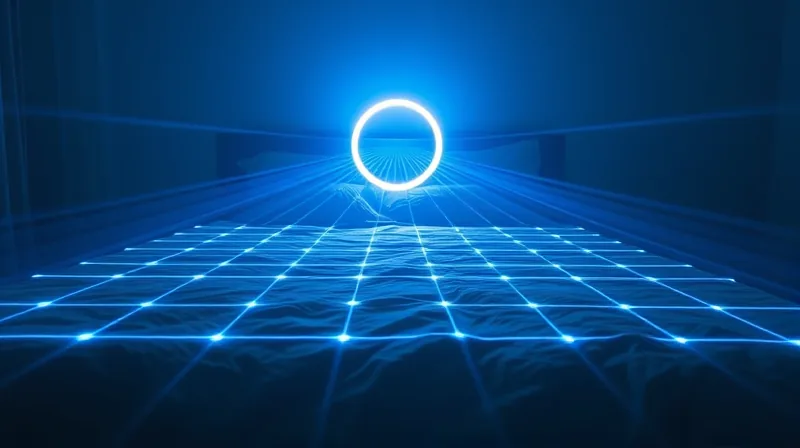
Sleep Tracking Could Turn Rest Into a Job Requirement
A driver caught behind the wheel after drinking faces arrest, fines, and loss of license. A surgeon who performed operations on three hours of sleep walks into work the next morning without a second glance. The law treats intoxication as a choice. It treats exhaustion as an inconvenience. That asymmetry is starting to crack under the weight of new technology.
Wearable devices can help people keep track of their sleep patterns. Smart rings, wristbands, and even mattress sensors now capture nightly rest in granular detail. Employers already use similar technology to monitor productivity and location. The same tools that help people understand their sleep patterns could just as easily become instruments of surveillance.
The gap between what is legal and what is dangerous has never been wider. Showing up drunk to work can end a career. Showing up sleep-deprived can cost lives. The science says being tired behind the wheel can be as dangerous as driving while drunk. The policy says only one is punishable. That inconsistency will not survive contact with devices that make sleep visible to anyone who wants to look.
The Auditable Obligation Takes Shape
The shift from personal tracking to institutional oversight follows a familiar path. First, individuals adopt a technology voluntarily. Then, insurers, employers, or regulators notice the data exists. Finally, what was once a private choice becomes a documented requirement. Sleep is moving through that pipeline now.
The researchers behind this analysis — Brian D. Earp of the Oxford-NUS Centre for Neuroethics, AI and Society, Sebastian Porsdam Mann of the University of Copenhagen, and Effy Vayena of ETH Zurich — describe a future where rest becomes auditable. An auditable obligation means someone else can check whether a person met the standard. Not just whether a person tried. Not just whether a person felt rested. Whether the device confirms the person slept enough.
This matters because the technology for enhanced sleep is advancing alongside the technology for measuring it. Devices that promise better-than-usual rest could soon be standard equipment. If those devices improve performance and health, the pressure to use them grows. And if the data proves you used them, the pressure to meet the target becomes enforceable.
The timeline is not decades away. Wearable sleep trackers are already in millions of homes. The legal and ethical frameworks for handling that data barely exist.
The Price of Better Rest
The same devices that could help people sleep better also make their exhaustion visible. A worker who skips a night of rest to care for a sick child now leaves a digital record. A pilot who could not sleep before a long-haul flight has proof of their impairment — and so does their employer. The technology does not distinguish between voluntary sleep loss and circumstances beyond control.
This is where the promise of enhanced sleep collides with the reality of human life. Better sleep could improve health and performance. It could reduce accidents and save lives. But it also turns rest into something that can be demanded, verified, and penalized. The line between supporting better sleep and punishing inadequate sleep is thin, and no regulation currently draws it clearly. Who gets to see the data? What counts as enough sleep for a given job? How do we protect workers whose sleep is disrupted by shift schedules, childcare, or medical conditions? The devices will not answer those questions. They will only make them unavoidable.

The authors call for ethical norms and regulations before the technology becomes entrenched. That call comes with an uncomfortable recognition: the questions raised by sleep surveillance have no easy answers. Who gets to see the data? What counts as enough sleep for a given job? How do we protect workers whose sleep is disrupted by shift schedules, childcare, or medical conditions? The devices will not answer those questions. They will only make them unavoidable.
Sources
1. DOI: 10.1038/d41586-026-02573-7
3. National University of Singapore
5. ETH Zurich