Rewilded Elephants Learn Wild Behaviors Yet Stress Persists
Old Assumptions Crumble, One Behavior at a Time
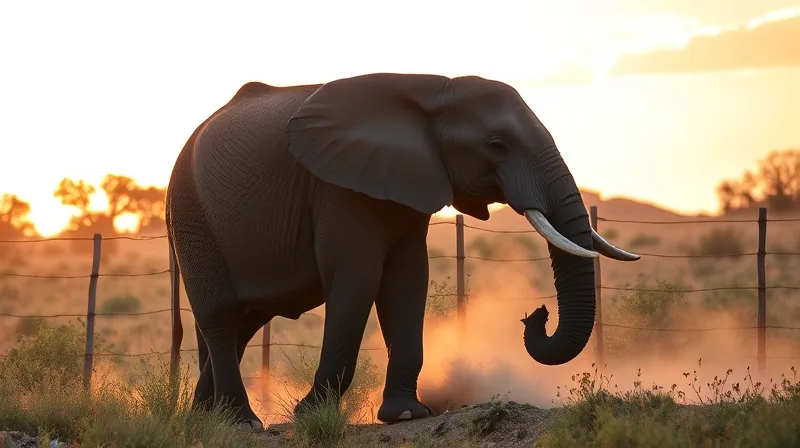
For years, the belief held that elephants held in tourist camps and circuses for decades could never regain their natural instincts. A 2024 study challenges that assumption directly. Researchers observed eleven African elephants that had been released onto fenced reserves in South Africa. They compared their behavior with that of wild elephants living in a much larger, open reserve system. The ex-captive elephants showed rates of vigilance, confrontation, and self-directed touching that were broadly similar to their wild counterparts. This suggests that, given time and space, captive elephants can indeed relearn many wild-like behaviors.
The findings, published in PLOS One on July 29, offer cautious hope. Sanjeeta Sharma Pokharel, an elephant biologist at Kyoto University in Japan who was not involved in the work, said it is encouraging to see that prolonged captivity does not permanently erase the capacity for readaptation. [1] The study documents that rewilded elephants are capable of adjusting to natural conditions if given a fair chance. This overturns a long-held pessimism among some conservationists about the feasibility of returning captive elephants to the wild.
However, the behavioral similarities were not complete. Rewilded elephants spent less time assessing and gauging their surroundings than wild individuals did. Tenisha Roos, a researcher at the Elephant Reintegration Trust in South Africa, explained that these attentive skills are rarely practiced in captivity, so the animals do not display them at the same frequency after release. [2] The gap in attentive behavior shows that some wild instincts remain muted even after the elephants have adapted in other ways.
The Tools That Reveal How Elephants Relearn Survival
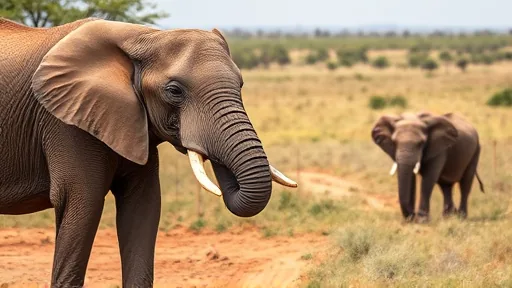
To measure the elephants’ readaptation, the research team relied on careful behavioral observation and physiological sampling. They cataloged specific actions: trunk swishing, face touching, foot swinging, and self-grooming. These behaviors serve as indicators of uncertainty, irritation, or vigilance. By counting how often each elephant performed these actions, the scientists created a behavioral profile. The ex-captive elephants displayed these signs at comparable rates to wild elephants, showing that they had internalized many of the same stress-coping mechanisms.
The instrument that made this finding possible is the measurement of a stress hormone marker in dung. Roos and her colleagues preliminarily measured levels of a stress biomarker—likely stress hormone traces in dung—in the rewilded elephants. [2] These measurements revealed a more complicated picture than the behavior alone suggested. Several of the rewilded individuals showed elevated stress marker levels compared to wild elephants, even though their behavioral rates matched. This discrepancy indicates that behavioral adjustment may not always reflect physiological well-being.
The work builds on earlier studies that used similar methods. Together, these studies establish a methodological pattern: combining detailed behavior catalogues with stress physiology provides a fuller picture of rehabilitation success.
The Missing Reading That Will Confirm Full Recovery
While the initial results are promising, the research team acknowledges that they do not yet have a complete answer. The stress biomarker measurements were preliminary and based on a small sample. Higher stress levels among several rewilded individuals hint that the animals may still be coping with residual trauma or the challenges of a new environment, even if their outward behavior looks normal. Without more robust sampling, the team cannot be certain that the elephants are truly well-adjusted.
Sanjeeta Sharma Pokharel suggests that the next step must involve tracking other fitness indicators. Specifically, monitoring breeding-related hormones would offer a deeper measure of how the animals cope over the long term. Reproductive success is a key sign of full adaptation to the wild. If rewilded elephants show normal hormone cycles and successful breeding, that would provide stronger evidence that rehabilitation is truly working.
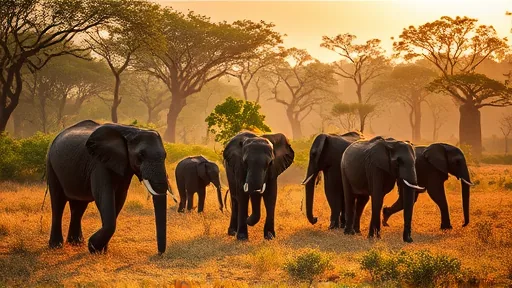
Furthermore, not all captive elephants are suited for rewilding. The study emphasizes that successful release depends on several conditions. Elephants should be released in social groups, and there should be existing wild elephants at the release site for them to join and learn from. Many landscapes, such as fragmented forests or areas already prone to human-elephant conflict, are ill-suited for reintroduction. Where rewilding opportunities do exist, ongoing physiological monitoring will be essential to confirm that the animals are not just behaving wild, but thriving.