
Lucerne Seed Yields Rise With Strategic Water Stress
For decades, the logic of irrigation seemed unshakeable: more water means more crop. Farmers in arid regions poured resources into keeping fields saturated, trusting that thirsty plants reward generous watering. Yet lucerne seed production stubbornly resisted this simple equation. Yields plateaued, profits shrank, and researchers faced a puzzle — why did a plant that needs water to grow produce less seed when given plenty of it? The answer lay not in how much water the plant received, but in when it received it.
A five-year field trial near Keith, South Australia — a region known for its dry conditions and intensive agriculture — tested a counterintuitive approach: deliberately withholding irrigation until lucerne plants showed early signs of leaf drop. This strategic stress, applied at the right moment, increased seed yield across the trial period compared with conventionally watered plots. The finding, published by agricultural researchers working with the South Australian Research and Development Institute, challenges a generation of conventional wisdom about crop management.
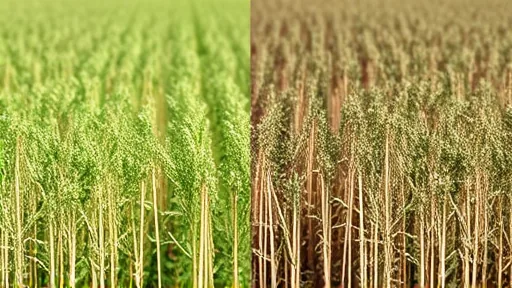
The mechanism behind this paradox lies in the plant’s reproductive strategy. When lucerne faces mild water stress, it shifts energy away from vegetative growth — producing fewer leaves and stems — and redirects resources toward flowering and seed development. The plant interprets drying conditions as a signal to reproduce before conditions worsen. A well-watered plant, by contrast, continues growing luxuriantly but invests less in the seeds that farmers harvest and sell. .
The economic implications are substantial. The trial measured not just seed yield but gross margin — the financial return after accounting for water costs, pumping energy, and labor. Strategically stressed plots consistently delivered the highest gross margin across the five-year study. Farmers who adopt delayed irrigation save money on water while earning more from their seed crop. This double benefit of reduced input costs and increased output value makes the practice attractive even for operations that can afford plentiful irrigation.
What remains unresolved is the precise timing window. If delaying irrigation until leaf drop improves yields, why does the plant need water at all during its growth phase? The trial data indicates that stress applied too early or too severely damages the crop beyond recovery. The window — when leaf drop first appears but before permanent damage sets in — appears critical, yet its precise boundaries remain unclear.
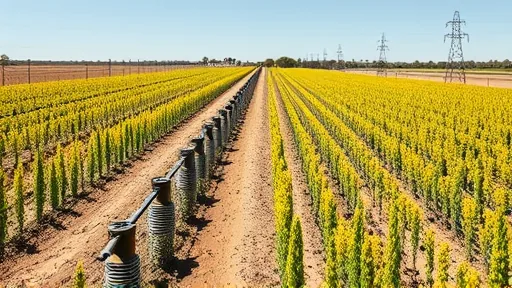
The trial near Keith offers no definitive answer to how much stress is too much. Five-year results show general trends, but year-to-year variations in rainfall, temperature, and soil conditions influence the optimal irrigation schedule. What works in South Australia’s climate may not translate directly to other lucerne-growing regions with different weather patterns and soil types. Parallel work at the New South Wales Department of Primary Industries is testing similar deficit-irrigation strategies on lucerne seed crops, aiming to refine the timing thresholds for different climatic zones. Farmers must learn to read their own fields, watching for the subtle signs that indicate the moment to turn off the water.