Ig Nobel Awards Celebrate Science That Makes You Laugh Then Think
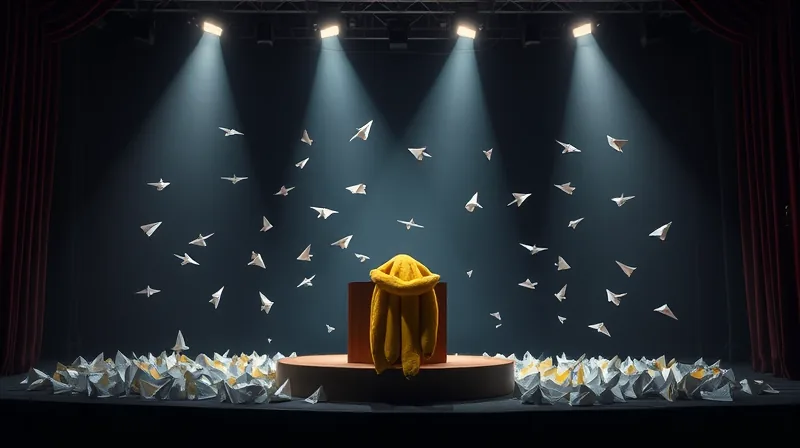
Most award ceremonies follow a predictable script. Black tie, fine dining, long speeches, polite applause. Humor, when it appears at all, must be measured carefully so nobody feels offended. The Ig Nobel awards turn that entire model upside down. They celebrate genuine, published research, but with a twist: the organizers demand science that makes you laugh, then makes you think. The event itself blends circus acts, opera performances, and improvised comedy into one chaotic evening. Paper aeroplanes rain down on the audience at the start, a tradition that never seems to grow old. Acceptance speeches face a strict 60-second limit, enforced by science leaders dressed in banana costumes. It is a ceremony where the usual rules of academic decorum simply do not apply.
The 2026 event, held on 3 September, marked the 36th edition of the awards and carried a fungus theme throughout. Among the honorees was Miki Takahara, who accepted an Ig Nobel on behalf of the late Tokuji Unno for research into why people who slip on banana peels do not get hurt — work that dates back to Unno’s 1990s studies on the friction of banana skins on linoleum floors. The awards have carved out a peculiar niche in the scientific world. They honor work that is both rigorously peer-reviewed and genuinely amusing, a combination that traditional ceremonies rarely acknowledge. Winners range from serious scientists to quirky inventors, all united by research that provokes both laughter and reflection.

The philosophy behind the Ig Nobels is deliberately counterintuitive: laughter opens the door, but the science behind each award is rigorously peer-reviewed and published in legitimate journals. Past winners have demonstrated that leeches can relieve pain after knee surgery, that bees can be trained to detect explosives by scent, and that a weighted vest can improve the gait of elderly people. Each study passes the same scrutiny as any academic paper — the humor lies in the subject, not the method. The banana costumes and paper planes are the wrapping; the research inside is real, verifiable, and often surprisingly useful.