Hanoi EV Startup Hires Before Selling Scooters
Meta-Betrachtung - keine externe Fachquelle; Grundlage: Finance.yahoo (2026-09-17). #MetaEconPol
A Job Advert as the Only Public Document
The drawer is open, and what sits inside is not a blueprint. AVES, a Hanoi startup, says its first electric motorcycles and e-bikes will go on sale in summer 2027. Until then, the only substantial documents the company has made public are a job advertisement and a factory address. There are no published specifications, no prices and no disclosed production capacity.
The company’s own recruiting profile describes a Vietnamese technology firm working in digital transformation, low-emission transport and technology investment. It says significant money is going into research, development and manufacturing of what it calls next-generation electric motorcycles and scooters. Vietnam, Southeast Asia, Europe and the Americas are named as markets. The stated ambition is to combine mechanical engineering, electronics, AI, networked sensors and devices, and data from the very start of product development.
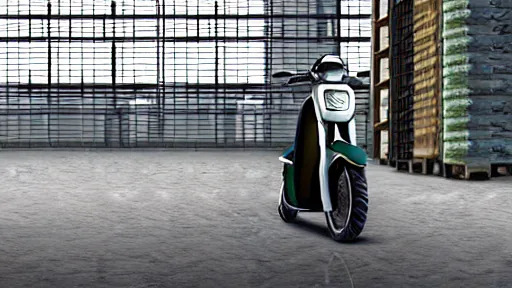
That profile puts headquarters in Hanoi. The research and development center and the production plant are listed in Yen My, in Hung Yen province.
One detail does not line up, and it is the kind of detail that matters to anyone signing a contract. The recruiting profile uses the name Aves Tech Joint Stock Company. The launch announcement dated September 14 used AVES Technology & Green Energy Joint Stock Company. A related entity or a naming change would explain the gap — but a supplier, a new hire or an investor should establish which legal person they are actually dealing with.
Sourcing Staff Before the First Scooter
The hiring list is the most revealing document the company has published. AVES is recruiting mechanical design engineers, electrical and electronic engineers, electric vehicle systems engineers, project management staff, sourcing specialists and quality specialists. It prefers candidates with backgrounds in electric motorcycles, electric vehicles, conventional motorcycles, circuits that convert and control electrical power, lithium batteries and precision manufacturing.

Hiring sourcing and supplier-quality staff before a product exists is the right sequence, not a sign of delay. The cost and the reliability of an electric scooter depend mostly on parts bought from outside suppliers: the battery cells, the electronics that monitor and protect the battery pack, the electric motor built into the wheel itself, and the device that regulates power from battery to motor. A startup that only adds its logo to supplier parts ends up with warranty problems it cannot diagnose. A startup that properly audits its suppliers has a chance of avoiding that.
The list does not contain a launch customer. The hiring page is, for now, the closest thing this company has to a public technical file.
The Questions a Launch Date Cannot Answer
For buyers, the practical questions arrive later, and they decide more than the launch date does. How long does the battery warranty run, and what capacity loss triggers a replacement? Can the pack be serviced, or is it replaced only as a complete unit?
Parts availability is the third question: whether spare parts and diagnostic tools will still exist if the company runs into trouble. The decisive question is which legal entity will still stand behind the warranty years after the sale.
Those questions widen the frame well beyond one startup in Hung Yen province. Does the replacement of petrol motorcycles and scooters by electric ones happen at a launch event, or at a service counter over several years? Does a pack that holds its capacity and can be repaired keep a combustion engine off the road, while a vehicle that cannot be serviced becomes scrap? The question tucked inside a job listing is whether the machinery of low-emission transport arrives together with the supply chain that keeps it running — or whether the vehicles arrive first and the workshops never do.