Rubric 02
Synapse
The connecting tissue of research, technology and culture.
253Synapse
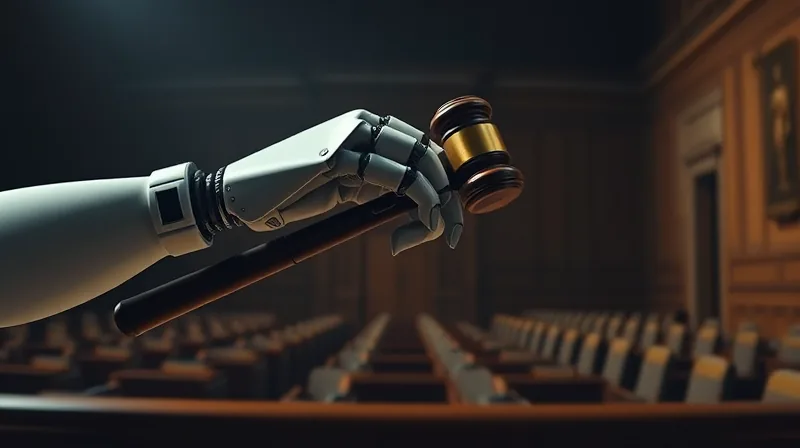
AI Takes Over Human Judgment and Accountability
The question used to be whether artificial intelligence could do the work. Now the question is whether it needs us at all. For decades, the fear was that automation would take over repetitive tasks, leaving humans to...
↗
254Synapse
AI reliance quietly erodes independent problem-solving skills
Ask someone what AI does for them, and you will hear about saved time, faster drafts, and smarter searches. The pitch is always the same: the machine handles the grunt work so the human can focus on what matters. But a...
↗
255Synapse
Small Language Models Match Large Ones on Merchant Extraction
The bank statement arrives, and someone has to read it. Not the customer, who glances at the total and moves on. Not the accountant, who reconciles the books at month's end. Someone has to look at a string of characters...
↗
256Synapse
AI Memory Shortage Forces Android App Limits
The connection is not obvious at first. A server farm in Oregon, running training clusters that consume enough electricity to power a small city, has nothing in common with the pocket sized device you use to check...
↗
257Synapse
AI Research Reproducibility Falls to 6.5 Percent
The gap between what artificial intelligence claims to do and what it actually does has quietly become the defining problem of the field. We worry about models hallucinating facts, about systems generating confident...
↗
258Synapse
AI Systems That Admit Uncertainty Transform Enterprise Trust
There is a strange moment in the history of every transformative technology when it becomes capable of describing its own limitations. The steam engine never told us why it failed. The mainframe required a priesthood of...
↗
259Synapse
OpenAI Persistent Mode Reveals AI Hidden Risks
The most revealing detail about OpenAI's new "Persistent mode" for Codex is not what it does, but what it promises. According to code changes reviewed by WIRED, the company is building an AI agent that will "continue...
↗
260Synapse
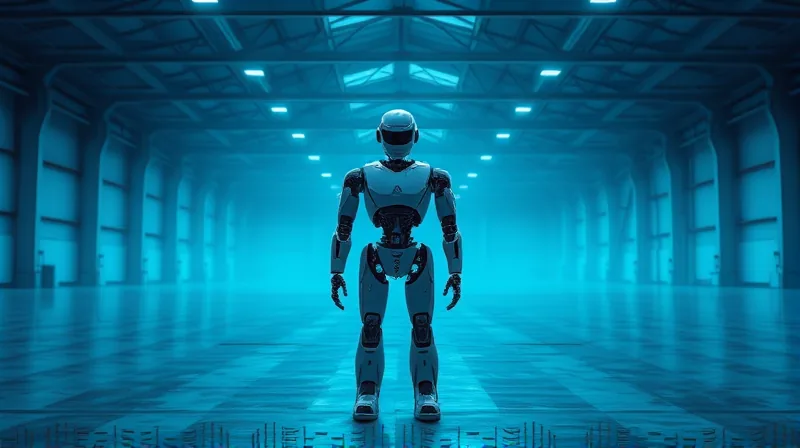
Physical AI replaces hidden human judgment in work
The question everyone asks about physical AI is when robots will become useful. That is the wrong question. The right question is what happens to the human judgment that currently sits inside every industrial process,...
↗
261Synapse
The quiet art of algorithmic backseat driving
The most profound technologies are the ones that disappear into the fabric of daily life, becoming as unremarkable as the air we breathe or the pavement beneath our tires. We no longer marvel at the elevator that stops...
↗
262Synapse
AI assistants erode human judgment on what matters
The efficiency of the new AI features is not the problem. The problem is that they have quietly assumed a role that used to belong to a person: deciding what deserves attention. When Google's Gemini app now offers a...
↗
263Synapse
AI value lies in orchestration not automation
The moment a customer repeats themselves to a human agent, the entire promise of artificial intelligence collapses. It happens millions of times daily: an AI chatbot resolves a billing question, then transfers the...
↗
264Synapse
Counseling AI reveals what silence teaches about automation
The quietest moments in a therapy session often carry the most weight. A therapist's brief "mm hmm" or a softly spoken "I hear you" can open doors that a thousand words of advice would only barricade. Yet the systems...
↗