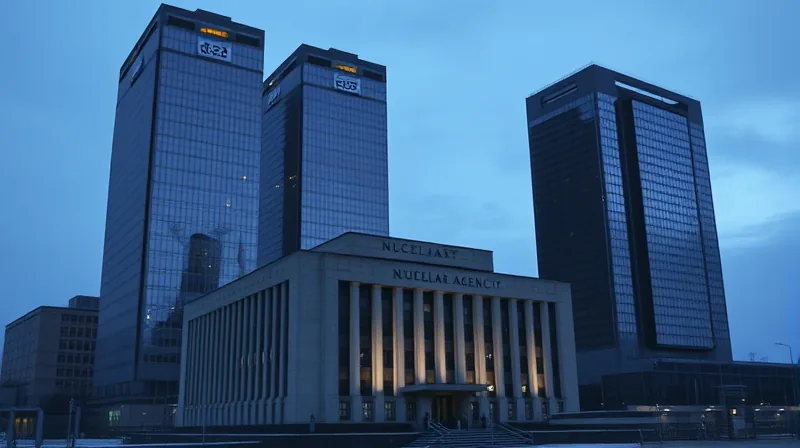
Nuclear Oversight Faces Independence Crisis
The Nuclear Regulatory Commission, long considered a global reference point for atomic oversight, now faces a challenge that has little to do with reactor safety and everything to do with political pressure. The agency’s independence — the quality that made it a model for other nations — is being tested as it has never been tested before.
The pressure on the NRC comes from several converging forces: a wave of venture capital backing new reactor startups, shifting environmental attitudes toward nuclear power as a low-carbon option, surging electricity demand driven by artificial intelligence and electrification, and the growing use of energy supplies as geopolitical leverage.
The NRC now faces a backlog of applications for reactor designs it has never encountered — from small modular units to advanced concepts with limited operational history. Each review requires careful scrutiny, yet Congress has pushed for faster decisions. The tension between speed and safety has become the defining issue of American nuclear regulation.
The conflict escalated sharply in 2025. Bipartisan legislation passed in 2024 aimed to streamline the agency without weakening its mission. But the return of President Donald Trump to the White House brought measures that directly challenged the NRC’s independence — the very quality that had made it an international model for oversight.
A Global Regulatory Reckoning
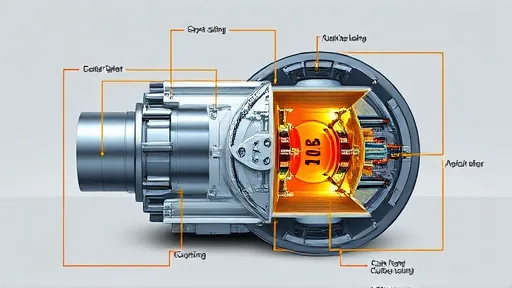
The American struggle is part of a broader global transformation. What was once a quiet sector has become a crowded field of reactor designers competing for approval and market share. The outcome of these regulatory battles will shape which companies thrive and which nations achieve energy independence.
Peter Fairley, a science and environmental journalist based in Victoria, British Columbia, has documented this shift. [1] His reporting details how the renewed nuclear push is forcing regulators worldwide to rapidly assess an unprecedented number and variety of projects — a volume that would strain any oversight system.
The stakes extend far beyond corporate balance sheets. How regulators respond will shape the future safety of nuclear energy and determine whether the public’s revived support for atomic power survives its first major test.
The fundamental question cuts to the core of democratic governance: Can regulators maintain their protective obligations while bending to economic pressures? The answer will decide winners and losers not just among reactor designers and power companies, but among nations competing for clean energy supremacy.
The Price of Compromise
The
American experience offers a cautionary tale about the fragility of institutional independence. The NRC’s international reputation rested on its ability to say no — to reject unsafe designs, to demand better evidence, to prioritize public protection over commercial interests. That reputation was built through decades of consistent, rigorous oversight.
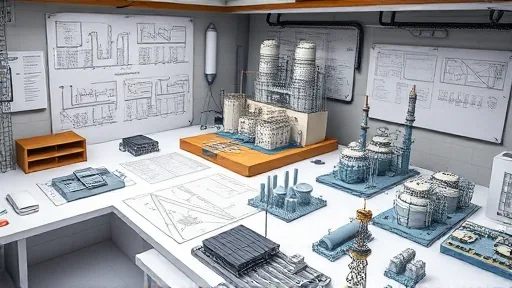
The current pressure to speed up reviews represents a fundamental shift in that philosophy. When regulators must weigh economic urgency against safety concerns, the calculus changes. A reactor design that might have received years of scrutiny now faces compressed timelines and political expectations.
What is clear is that the nuclear revival cannot succeed without credible oversight. The industry needs public confidence to operate, and public confidence depends on regulators who answer to safety rather than politics. The tension between economic and protective pressures is not a problem to be solved but a balance to be maintained.
The coming months will reveal whether American nuclear regulation can adapt without sacrificing the principles that made it a global model. Every nation pursuing nuclear power watches the American experiment as a guide for its own regulatory future. The lesson, if it comes, will be simple: oversight that bends too easily may break completely.