Lion kingship is brotherhood not solitary rule
The movies teach that a lion becomes king by fighting his way to the top alone. A single heroic male defeats all rivals, takes the throne, and rules until the next challenger arrives. That story is wrong. Real lion kingship works differently, and a new documentary series captures the truth with four years of patient observation.
The series follows a cub named Kio in Kenya’s Maasai Mara National Reserve. His journey from weak cub to young king took four years of filming. The production team logged more than 1,400 hours of filming days across 52 separate shoots. Local Kenyan filmmakers worked alongside the international crew. Executive producer Mike Gunton, creative director of BBC Studios Natural History Unit, teamed with Hollywood actor and director Jon Favreau to tell the story
The filmmakers took a gamble by committing to one cub. About half of all lion cubs do not survive to adulthood. The crew did not know if Kio would make it through the rainy seasons when they had to leave the pride’s land. Favreau said he was always waiting for that phone call. The call came whenever the field crew spotted Kio, a little older and doing well. .
Favreau directed the 2019 live-action version of The Lion King. That film was built digitally, with every action controlled and directed. Kio’s story was the opposite. Favreau said they had zero control over what happened. The team committed to not manipulating the footage, using only narrative tools like music and editing to shape the story.
Filming at the Lions’ Eye Level
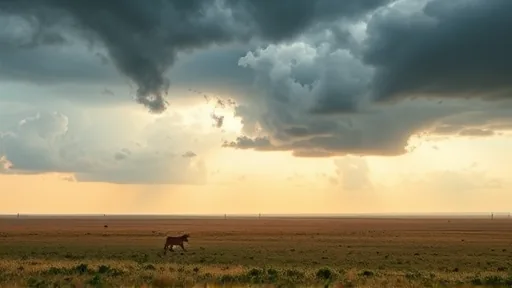
The cinematography transforms the Kenyan landscape into something that looks painted. Sunsets silhouette elephants and lonely trees. Midnight skies fill with stars. Marshlands appear as paradise. Academy award-winning composer Hans Zimmer wrote the score, adding emotional depth to the images.
The technical approach was unusual. Stabilized camera platforms hung off the backs of pickup trucks, allowing crews to film lions at eye level. Favreau explained that this gave the production another layer of emotional dimension. It is how he would cover a scene to get emotional connection with a human actor. Being at eye level lets the audience see what the lions are thinking
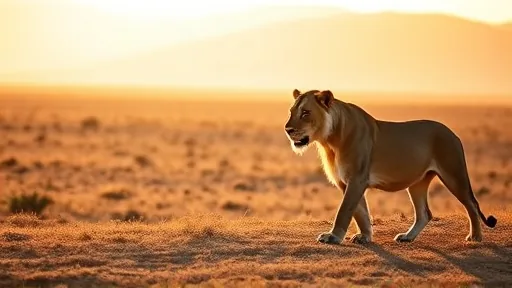
Quiet drones added unique perspectives from above. The cameras carried sensors that allowed filming in low light, before sunrise and at sunset. Those are exactly the times when lions tend to do interesting things, Gunton said. The combination of eye-level intimacy and low-light capability meant the crew could capture moments that would normally be lost to darkness.
The filmmakers did not shy away from harsh realities. Black flies are ever-present, crawling and swarming over the lions’ faces and bodies. Some heart-stopping action moments leave viewers gasping. But there is no gore. Deaths take place largely off-camera, and animal-on-animal violence stays G-rated.
This restraint sometimes leaves questions unanswered. In the opening scene, Kio takes on a male lion who is bigger, stronger and older. That scene is revisited in a later episode, but the audience must assume the outcome. Gunton said the winner of that fight is something only the lions know.
Rainbow-colored birds and a diverse cast of other wildlife make guest appearances. These creatures illustrate the biodiversity of the African savannah. Some provide comic relief, others a sense of menace. Buffalo, the audience learns alongside Kio, are not to be trifled with.
Each of the four chapters begins and ends with a cliffhanger. The series offers action and adventure but also quiet family moments, punctuated with humor. The pacing keeps viewers engaged while the emotional beats land with weight.
A Band of Brothers
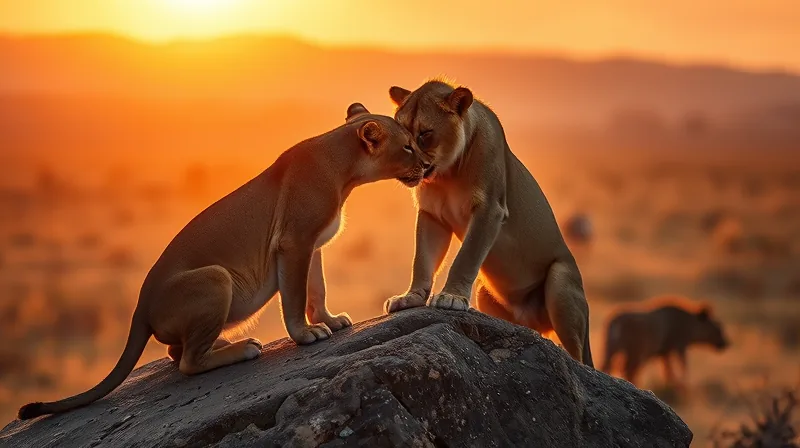
The fictional Lion King presents rule as a solitary pursuit. Real male lions ascend the throne as a band of brothers. Kio and his brothers must learn to work as a team to hunt, defend each other and their pride, and overcome older male lions. A male lion would probably not last long without his brothers.
Kio is the youngest of his brotherhood. Despite his position, he takes brave stands as the teenage lions learn to be leaders. Together they ascend a metaphorical throne and win the favor of a pride of females. The brothers must coordinate their movements, share the risks of hunting, and present a united front against rivals.
Kio’s story is also the tale of his mother, Summer. Gunton said she was always going to be a star of the film. She was one of four females in the pride the team thought they would follow. Summer had an extra ingredient: she was going to give birth to some cubs. She was old, Gunton said, and these were probably going to be the last cubs she would ever have.
About halfway through the first year of filming, the crew realized that Summer’s relationship with Kio was something special. Summer knew it too. Gunton said it was almost as if she knew he was going to be special and he was going to be her last chance. Even though Kio was a quite weak little cub, there was something about him which was amazing.
Summer’s star power is evident throughout. She defends her cub, feeds her pride, and teaches the brotherhood survival skills they will need when she is no longer with them. Her power and grace are on full display as she stalks and takes down prey. Her softer side shows often as she rubs noses with and grooms her sisters, Kio, and the males of their pride.
The limitation of this story is built into its method. The filmmakers chose to follow one pride, one cub, one mother. The camera captured what happened in front of it, but the crew could not be everywhere at once. They left during rainy seasons. They missed moments. They could not know the outcome of fights they did not witness. The story of Kio is true, but it is a partial truth, filtered through the constraints of human presence and technological limits.