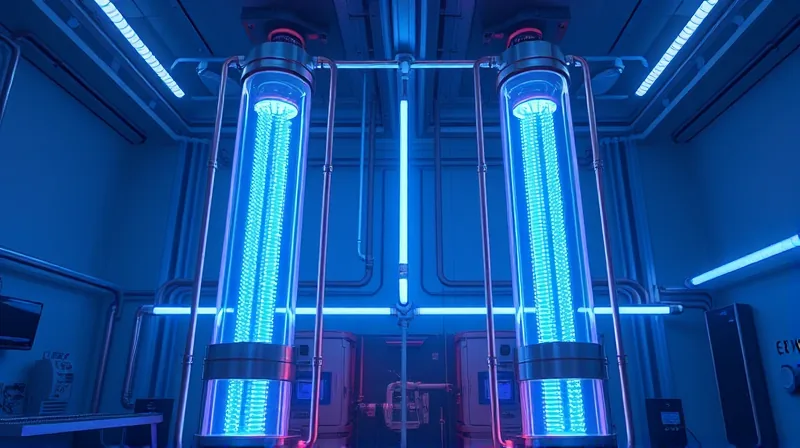
IBM connects cryogenic systems to scale quantum computers
For years, the path to a powerful quantum computer has hit a stubborn wall. The machines that process information in qubits need temperatures colder than deep space. But adding more qubits requires more wiring, and that wiring brings heat. The very act of scaling up the hardware threatens to melt the ultra-cold environment that makes it work. IBM has now cleared a significant hurdle by integrating two modular cryogenic systems into a shared environment, a step the company says is essential for scaling quantum hardware. This is not a small tweak. It is a fundamental shift in how the company approaches the infrastructure problem that has blocked progress for years.
The old model was a single, monolithic fridge containing one chip. That design could only handle so many connections before the thermal load became unmanageable. IBM’s new architecture changes the game by allowing separate cryogenic modules to work together as one system. The company’s L-coupler technology is the key piece here, enabling distinct quantum chips to communicate and operate together as a single, more powerful machine. This modular approach distributes the heat load across multiple units, which means more wiring, more processors, and ultimately more qubits can be brought online without destroying the delicate quantum states.
This milestone matters because it directly addresses the infrastructure challenges of scaling quantum computers to hundreds of interconnected processors. The new cryogenic architecture provides the ultra-low-temperature environment required for quantum computing while offering greater capacity for wiring and processor connections. IBM is not just building a bigger fridge. They are building a system where components can be tested, upgraded, and replaced independently. That flexibility is crucial for accelerating development, as engineers can swap out a failing part without taking the entire system offline.
The Road to a Thousand Qubits and Beyond
IBM plans to install its Quantum Nighthawk processors into the new cryogenic modules for performance testing later this year. This is the moment where theory meets reality. The company aims to connect multiple processors to support a quantum computer with at least 1,000 programmable qubits. That number is significant because it represents a threshold where quantum computers can begin to outperform classical machines on certain practical problems. Future modules are expected to accommodate thousands of qubits, pushing the boundaries of what is computationally possible.
The modular design does more than just scale up. It allows IBM to test and upgrade different components independently. This means the company can improve system performance and speed up development without waiting for a complete redesign. If one module needs better shielding, or another needs improved wiring, those changes can be made in isolation. This is a practical advantage that monolithic designs simply cannot offer. The ability to iterate quickly on individual parts is what separates a research project from an engineering discipline.
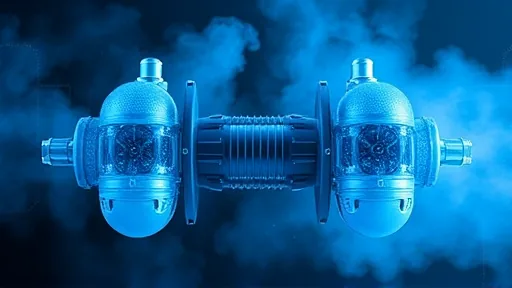
IBM’s ultimate goal is the launch of Quantum Starling, its planned fault-tolerant quantum computer, by 2029. Fault tolerance is the holy grail of quantum computing. It means the machine can correct its own errors and run long, complex calculations without crashing. The advanced cryogenic technology, combined with progress in quantum processors and error correction, puts IBM in a strong position to reach this target. The company is not just building a bigger machine. It is building the infrastructure that will support an entire ecosystem of quantum applications.
Rivals on the Same Path
IBM is not alone in this race. Microsoft is advancing its quantum computing efforts with its Majorana 2 chip, designed to support the development of scalable quantum computers. The company is working with researchers and industry partners to advance quantum hardware and error correction. Microsoft is also expanding its quantum software and cloud tools to help developers explore quantum computing and develop practical applications. Their approach complements IBM’s hardware focus, creating a broader ecosystem of quantum tools.
Alphabet is advancing quantum computing through its Google Quantum AI division by developing advanced quantum processors and error-correction technologies. The company is working toward large-scale, fault-tolerant quantum computers that could help solve complex problems in areas such as science, medicine, and materials research. Alphabet is also preparing for the quantum era by adopting post-quantum cryptography to protect its systems from future quantum threats. This dual focus on hardware and security shows the company is thinking about the full lifecycle of quantum adoption.
The competitive landscape is intense. IBM shares have lost 0.9 percent over the past year, while the industry has grown by 204.1 percent, according to Zacks. [3] IBM trades at a forward price-to-sales ratio of 3.09, below the industry average of 5.25, and carries a Zacks Rank of 3, a Hold rating. [3] The financial picture is mixed, but the technical progress in cryogenics is a tangible asset that could shift the balance.
The Fundamental Step Beyond Application
The integration of two modular cryogenic systems is not just about building a bigger computer. It is a fundamental research achievement in the physics of extreme environments, opening questions about how quantum states behave when hardware is distributed rather than centralized. This is a new frontier in experimental physics, one that could inform how we understand coherence and entanglement across physical distances.
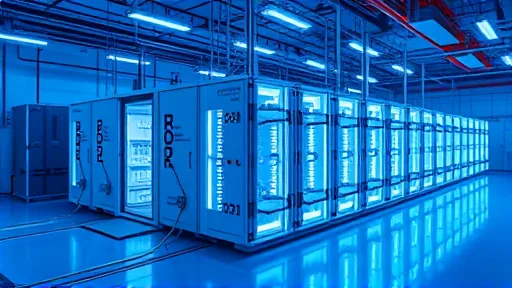
The L-coupler technology is particularly interesting from a fundamental perspective. It does not just connect chips; it enables them to operate as a single quantum system. This raises questions about how information flows between physically separated processors and whether quantum correlations survive the journey. The answers could have implications beyond computing, potentially informing our understanding of quantum communication and distributed quantum sensing.
IBM’s work here is a contribution to fundamental research without immediate application promises. The company is building the experimental platform that will allow scientists to ask questions that were previously impossible to explore. The modular cryogenic system is not a product; it is a research tool that will enable the next generation of quantum experiments. The fact that it works is the finding. What it enables is the future, and that future is still being written.
Sources
1. IBM
3. Zacks