Homer’s Odyssey Imagines Autonomous Ships
Digging Into Homer’s World
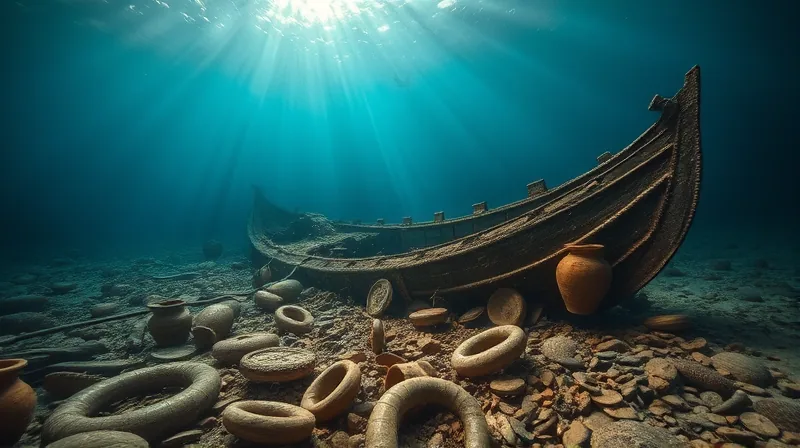
Archaeologists have uncovered physical evidence that directly confirms objects and trade networks Homer described centuries after the Bronze Age collapsed. For decades, scholars treated the Odyssey’s tales of luxury goods, precise metalwork, and far-flung travel as literary inventions or anachronistic overlays. Then, in the 1980s, a team found a shipwreck at Ulu Burun off southern Turkey dating to the fourteenth century BC. The cargo carried treasures from Europe, Africa, and Mesopotamia—exactly the kind of long-distance trading network the poem argues existed.
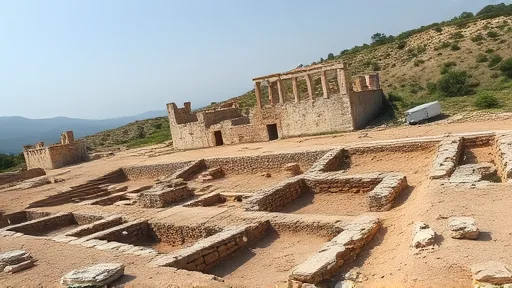
Excavations of the Mycenaean Palace of Nestor near Pylos, Greece, have turned up other matching details. Archaeologists there uncovered vessels made from a mix of bronze, silver, and gold. They also found a rare ‘fenestrated’ axe with holes in its blade, dating to around 1450 BC. The holes may explain a puzzling archery challenge in the Odyssey: in the contest after Odysseus returns home, he must shoot an arrow through a line of twelve axes. University of Cincinnati archaeologist Sharon Stocker says, “The more we excavate, the more we confirm.”
One passage even hints at steel production. When Odysseus and his men plunge a hot spear into the Cyclops’s eye, the stake sizzles like a blade quenched in water during smithing. That technique works for steel, not for pure iron or bronze. Michael Wright, a craftsman and former curator at the Science Museum in London, argues that whoever composed that passage “witnessed the preparation of a tool with a steel edge.” [2] The Odyssey was written down around 800 BC, but the metalwork it describes mixes Iron Age tools with late Bronze Age weapons—an anachronistic blend that archaeology is now untangling.
Ships That Steer Themselves
The most futuristic technology in the Odyssey is not made of metal. The ships of the Phaeacians “know every city, every fertile land.” They “have no steersmen,” and they “know by instinct what their crews are thinking and propose to do.” To a twenty-first-century reader, this sounds remarkably like artificial intelligence. Homer’s verses imagine autonomous vessels that navigate without human guidance, sense their crew’s intentions, and act on that knowledge. No actual ship in the ancient world came close.
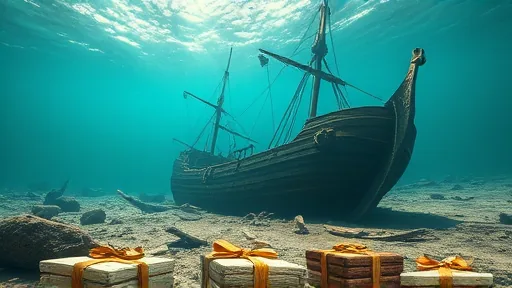
By contrast, Odysseus’s own ship carried 50 oarsmen.
The Mysterious Pharmacy of the Ancient World
The
Odyssey mentions a range of plant-based drugs, poisons, and antidotes.
The poem offers an antidote as well.