The Estimate That Overshot Expectations
The number that anchors this work is small enough to be missed in a line of text: meeting Colorado’s wildfire code adds between 0.6 % and 10.8 % to the price of a new single-family home. [1] The figure comes from costing real construction, not from surveying builders’ guesses or buyers’ fears.
Eight counties formed the sample: Boulder, Jefferson, El Paso, Summit, Grand, Delta, La Plata, and Las Animas. Within each, the team priced new single-family homes across five construction approaches, running from pre-code methods up to standards stricter than the code. The resulting range is narrower than the people paying for it tend to assume.
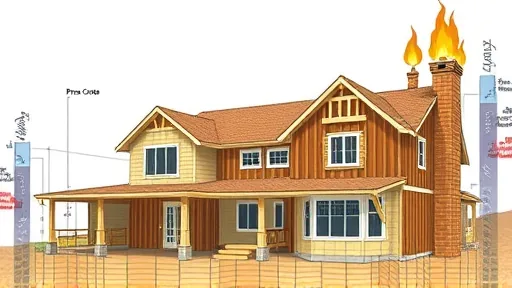
The reason for the narrowness is arithmetic, and it is the kind of arithmetic that reorganizes a debate. The foundation, the framing, the flooring, and the insulation together account for 85 % to 90 % of a home’s construction budget. The wildfire code barely touches any of them. It reaches the exterior instead: roofing, siding, vents, windows, doors, decks, and landscaping. A house is, in cost terms, mostly its bones and its bulk — and the code legislates the skin. Builders and buyers who brace for a steep premium are bracing against a fraction of a fraction.
Where the Money Actually Hides
One exterior element carries the argument almost alone. Decks account for a large share of the price increase between lower and higher protection levels. Strip deck costs out of the comparison and the gap between those levels collapses from 10.2 percentage points to 1.2 percentage points. A single attached structure, often an afterthought on a plan sheet, is doing most of the work of making resilience look expensive.
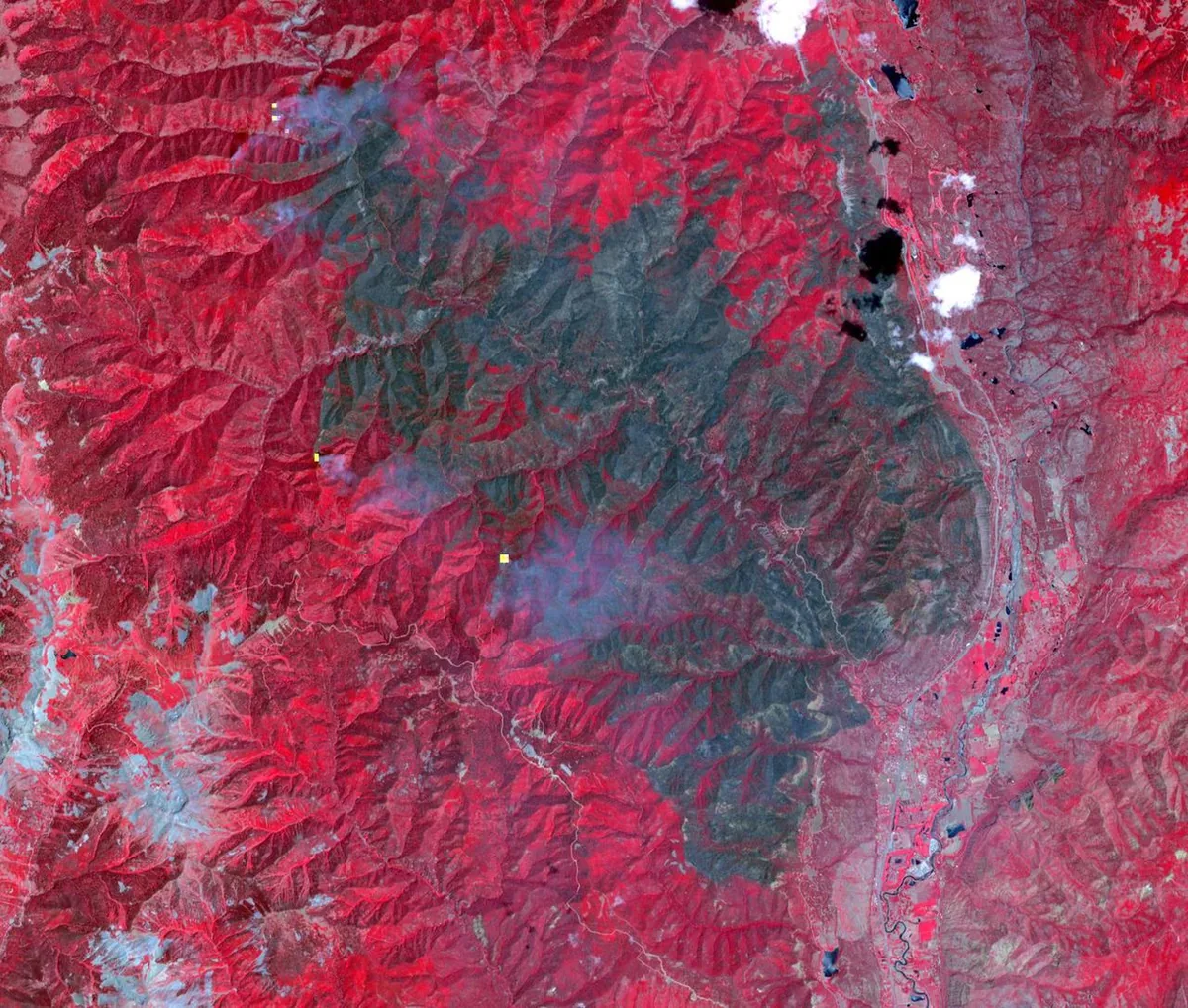
“Colorado needs more affordable housing, and the homes we build today will shape our communities’ wildfire risk for decades,” said Virginia Iglesias, a CIRES scientist and director of Earth Lab. [1] The urgency behind that line item is documented, not hypothetical. The 2020 East Troublesome Fire destroyed hundreds of homes in Grand County. In 2021, the Marshall Fire crossed Boulder County suburbs within hours and destroyed more than 1,000 structures. Both events broke the old mental model in which wildfire belongs to forested mountain towns. In grasslands and densely populated areas, wind carries embers far ahead of a blaze, putting houses at risk before any flame arrives.
The Bill That Arrives Before the Fire
The stakes compound over time. Projections cited by CIRES suggest that without meaningful mitigation, the probability of home loss to wildfire in Colorado could increase fivefold by mid-century under moderate warming and development scenarios.
That pressure has already reached the insurance market. Some homeowners face steep premium increases; others face policy non-renewals in high-risk areas. The cost of building or buying in fire-prone places now depends not only on land and labor but on survivability and insurability.
Colorado’s policy answer is the Wildfire Resiliency Code, enacted in 2022 and revised in 2025. It sets minimum wildfire-resistant requirements for newly built homes in designated wildland-urban interface areas — the zones where development meets vegetation. Its requirements split into two defenses: one against wind-blown embers, which can ignite a home from a distance, and one against radiant heat and flame contact when nearby vegetation or buildings burn close by. Embers and proximity: the two ways a fire reaches a house it never touched.
County-level numbers give local officials, builders, and homebuyers a basis for meeting code requirements while keeping homes attainable in places squeezed by both housing demand and rising fire exposure. But a number on a page does not install a roof. “Education, access to lower-cost compliant materials, and contractor familiarity with those options can translate that understanding into affordable, resilient homes,” Iglesias said. [1]