Why Microglia Matter More Than Amyloid
The Flawed Amyloid Hypothesis
For decades, the prevailing theory held that Alzheimer’s disease was caused by the accumulation of beta-amyloid proteins in the brain. This “amyloid hypothesis” guided most research and drug development. Yet the results have been persistently disappointing. Drugs designed to clear amyloid from the brain showed only mild improvement in patients, if any at all. A comprehensive review of clinical trial data examined results from multiple trials. The analysis suggested that while these drugs did reduce the amyloid burden, their effect on cognitive decline was uncertain. This failure to translate plaque removal into patient benefit raised serious doubts about the hypothesis.
But the contradictions go deeper. There is a puzzling observation: some Alzheimer’s patients have very little amyloid plaque in their brains, yet they still die from the disease. Conversely, some individuals with substantial amyloid deposits remain cognitively intact throughout their lives. If amyloid were truly the driving cause, such patterns should not exist. These inconsistencies have led researchers to search for another suspect behind the devastating condition.
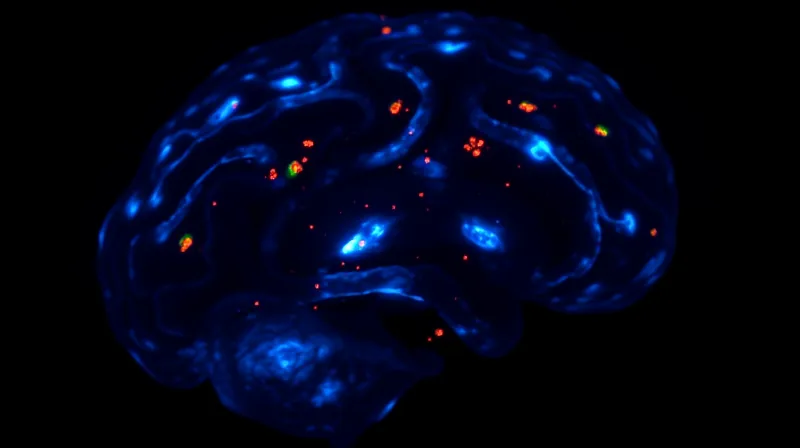
That suspect is a type of brain cell called microglia. These cells account for just 10 percent of the brain’s cellular population. They are often described as “trash collectors” because they clear away damaged tissue and toxins. But new research suggests their role is far more complex and powerful. Microglia are part of the brain’s immune system. They are also involved in maintenance — making sure neurons, synapses, and the blood-brain barrier all function properly. Critically, microglia can shift between two states. In the M2 form, they act as protectors, keeping the brain healthy. In the M1 form, they become destructive, causing chronic inflammation and killing brain cells. This shift, Perlmutter argues, is a central event across a spectrum of neurodegenerative conditions, including Alzheimer’s, ALS, and Parkinson’s.

Lifestyle as the New Target
What causes microglia to malfunction? According to Perlmutter, the trigger lies in metabolic changes that many people experience decades before any cognitive symptoms appear. Elevated blood sugar is one of the clearest and most present dangers. Insulin resistance, excess visceral body fat, and changes in the gut microbiome also play key roles. The gut bacteria can be altered by an inappropriate diet high in ultraprocessed foods or by taking certain acid-blocking drugs. These changes increase inflammation throughout the body and ultimately influence the microglia in the brain, pushing them toward their destructive M1 configuration.
The critical window for intervention is earlier in life. That is when the metabolic shifts that presage cognitive decline begin. Yet most people show no symptoms at that stage. The good news is that lifestyle modifications already well known to the public can redirect the trajectory. Exercise is supported by some scientific studies. A lower carbohydrate diet may help regulate blood sugar. Restorative sleep and stress reduction may also make a difference. Perlmutter states flatly that each person is the architect of their own brain’s destiny and has the tools right now to change how their brain ages
Diet emerges as a particularly powerful lever. The Mediterranean diet and the MIND diet are often recommended for brain health. They can help keep blood sugar regulated. They also nurture the gut microbiome because they are high in fiber, which can reduce inflammation. Perlmutter recommends incorporating lots of color into meals — vibrant fruits and vegetables that are rich in polyphenols. These compounds may reduce free radical stress and support gut health. He also stresses that being within the accepted normal range for blood sugar is not enough. The goal should be to optimize those numbers, not merely to avoid a diabetes diagnosis.
Neuroimmunology Meets Neuroengineering
As the understanding of microglia deepens, new therapeutic approaches are emerging that target these cells directly. Some companies are focusing on receptors on microglia such as TREM2. Research has shown that stimulating certain receptors can encourage microglia to adopt a protective configuration. This is a fundamentally different strategy from trying to remove amyloid plaques. It aims to restore the brain’s own immune cells to a healthy state.
Researchers are also exploring more experimental interventions. Microglial transplantation is under investigation — literally replacing or supplementing the brain’s population of these cells. At the Massachusetts Institute of Technology, research is examining how exposure to light and sound at certain frequencies can affect microglia activity. These studies represent a stark departure from the amyloid-centric model that dominated the field for decades.
Perlmutter believes that these developments are not distant. He expects advances in the future that may provide tools to treat neurodegenerative conditions beyond targeting beta-amyloid. The intersection of neuroscience with immunology — the study of the immune system — and with bioengineering — the design of technologies that interact with biological systems — is opening entirely new questions. How exactly does light and sound modulate microglia behavior? Can transplanted microglia integrate and function correctly in a diseased brain? And what other receptors on the microglial surface might be drug targets? These questions define the frontier of Alzheimer’s research.