Solar Growth Slows But Still Outpaces Rising Demand
Meta commentary - no external expert source; basis: Feeds.arstechnica (2026-09-26). #MetaScience
When a Thirty Percent Streak Finally Breaks
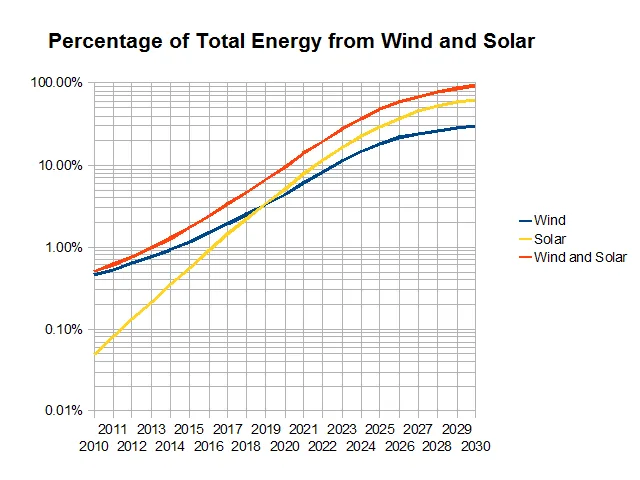
For years, the story of American solar power was written in superlatives. Quarter after quarter, generation grew by more than 30 percent compared to the same period a year earlier. That pace could not hold forever, and the reason is arithmetic rather than politics: as the installed base of panels grows larger, the same absolute addition of new electricity registers as a smaller percentage increase. In the first seven months of 2026, that mathematical inevitability arrived. Solar generated 39 terawatt-hours more than in the same stretch of 2025. [1] A year earlier, the comparable figure had been 48 terawatt-hours. The growth rate fell to 22 percent. That is still expansion, and rapid expansion by most standards, but it is a visible step down from the trend that had defined the technology’s rise.
The context makes the slowdown more striking, not less. Electricity demand across the United States rose by 2 percent over the same seven-month window. In the prior year, demand had climbed by 3 percent. So the grid needed more power, and solar is the cheapest source available to supply it, yet solar’s contribution grew more slowly than before. Federal policy has shifted against renewables, with incentives that had supported adoption removed.
What has not changed is the direction of the transition. Coal-fired generation fell by a bit more than 10 percent compared with the first seven months of 2025. Small-scale solar, the rooftop systems that never appear in utility ledgers, still grew by over 12 percent year over year. Put utility-scale and rooftop solar together, and they produced 72 percent as much electricity as coal through July of 2026. Natural gas remains the largest single source on the American grid, but solar and wind have been steadily closing the distance to coal. The Trump administration has tried to reverse this shift, but the generation figures show it has not succeeded.
A Question Open Since the Early 2000s
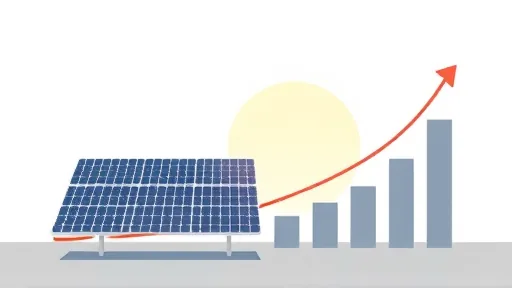
The puzzle of whether rising electricity use must always mean rising emissions is not new. Through the early 2000s, demand for power stayed essentially flat even as the economy grew, because efficiency improvements kept consumption in check. That stability bought time, but it also obscured a question that would return: if demand started climbing again, could clean sources keep pace? For most of the past two decades, the answer was uncertain. Now there is a concrete test case. In the first seven months of 2026, wind and solar together added 55 terawatt-hours of generation. [1] Over the same period, demand on the grid rose by 51 terawatt-hours. The growth from those two sources alone was larger than the growth in consumption. Increased electricity use could be met entirely by renewables.
On-site generation by data centers does not appear on the grid, and neither does the output of small-scale rooftop solar. Both are real, and both are growing. The comparison between renewable additions and demand growth therefore understates how much clean electricity is actually being produced, because the grid-level figures capture only part of the picture. Add hydropower, which rose 9 percent year over year, and renewables reach 27 percent. Include nuclear power, which grew by less than 2 percent, and 45 percent of US electricity comes from sources that emit no carbon.
For international perspective, the European Union generates about 30 percent of its electricity from wind and solar and 65 percent from emissions-free sources. Counting bioenergy, which is largely carbon-neutral but not emissions-free, that European figure rises to 71 percent. The United States is not matching Europe, but it is moving along the same path, and it is doing so while its total demand grows. The other major sources changed little: wind rose 6 percent, natural gas less than 2 percent. No category besides solar and coal moved by more than 10 percent in either direction.
The Pipeline Points to
Batteries and a Wind Farewell
The Energy Information Administration tracks what developers expect to connect to the grid in the coming months, and its latest accounting reveals both a peak and a turning point. Two large offshore wind projects will be completed off the East Coast, including a 2.6-gigawatt installation off Virginia. [1] That facility will be the largest of its kind in the United States. It will also likely be the last for years. The Trump administration has paid developers to abandon similar projects, so no comparable offshore wind is expected until the 2030s. Onshore wind, by contrast, has continued to expand across the Midwest and the Plains.
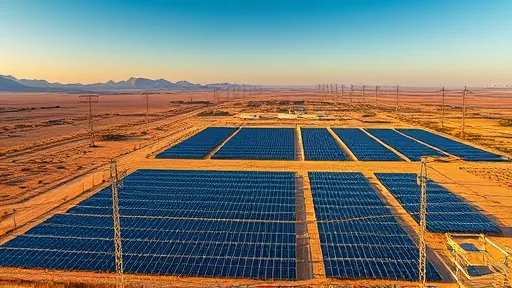
Solar development is spreading into places that would not have made economic sense a few years ago. Michigan and Wisconsin, both far enough north that winter sun is scarce, now host significant new facilities. Alongside the panels, battery installations are moving beyond the traditional strongholds of California and Texas. Arizona and Colorado are adding grid-scale batteries. The new solar in Michigan will be paired with several battery systems, and a large grid-scale battery is expected to come online in Georgia.
A scattering of new natural gas plants will also come online, mostly in the Midwest and Texas. No new nuclear or coal plants will be completed. It has been 13 years since the last new coal plant entered service in the United States, and none are currently being developed. The American grid is being rebuilt around gas, solar, wind, and batteries, with coal fading and nuclear holding steady. It is the arithmetic of a technology that has become large enough for its own size to shape the grid.