
siRNA drugs silence genes and treat disease
It began with a puzzle that geneticists could not solve. Cells were producing proteins that should not exist, and no one could figure out why. The standard model of biology said that DNA makes RNA, and RNA makes protein. That was the whole story. But experiments kept showing something else was happening, something that did not fit the neat diagram in the textbooks.
The breakthrough came from a strange observation in petunia flowers. Researchers were trying to make the flowers more purple. Instead, the flowers turned white. The gene they had inserted to deepen the color had silenced itself — and also silenced the plant’s own matching gene. It looked like a mistake, a failed experiment. It was actually the first glimpse of a natural system that could turn genes off on command. That system, called RNA interference, is now the basis for a class of drugs that silence disease-causing genes inside the human body.
The technology has moved from the laboratory into clinical practice. Approved siRNA drugs now treat conditions such as hereditary transthyretin amyloidosis and acute hepatic porphyria, offering patients a new class of medicine that works at the genetic level rather than targeting proteins after they are made.
How Tiny RNA Molecules Silence Genes
The story starts with the genetic assembly line that runs inside every cell. DNA holds the instructions for making proteins, but DNA never leaves the nucleus. Instead, cells make RNA copies of the genetic instructions. Those copies are called messenger RNAs, or mRNAs. The mRNAs travel out of the nucleus and feed into cellular machinery that reads them and builds proteins.
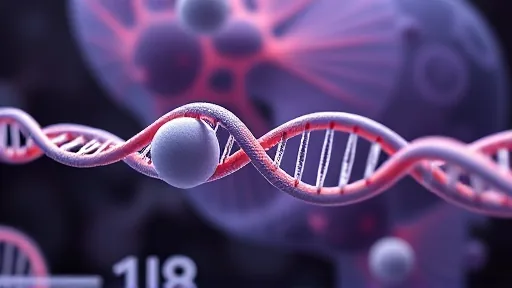
Small interfering RNAs, or siRNAs, work between those two steps. They are incredibly small — just 21 or 22 RNA building blocks long. Messenger RNAs, by contrast, can stretch for hundreds or thousands of building blocks. The siRNAs share short matching sequences with specific mRNAs. When an siRNA finds its matching mRNA, the larger molecule is marked for destruction. A piece of cellular machinery called RISC does the chopping. Once the mRNA is destroyed, no protein can be made from it. The gene is silenced.
At least seven siRNA drugs have been approved by the U.S. Food and Drug Administration. [3] They treat a range of genetic diseases, and more are in clinical trials. The drugs work in the liver, which is the easiest organ to reach with this technology. The siRNAs used as therapies are not natural molecules. They are synthesized and chemically modified to survive in the body and to travel to the right organs. . Anastasia Khvorova, a chemical biologist at the University of Massachusetts Chan Medical School’s RNA Therapeutics Institute in Worcester, explains that these chemical modifications are essential for the drugs to survive in the bloodstream and reach their target cells.
The Challenge of Silencing Only What You Want
The idea that an siRNA could shut down spider genes is theoretically sound. Khvorova says that if Spider-Man’s powers come from a single gene, an siRNA targeting that gene could work as an inhibitor. But there is a problem. Spider-Man’s abilities include making webs, superstrength, and heightened senses. It is unlikely that one gene controls all of those traits. Parker would probably need a cocktail of different siRNAs to tackle each spider trait separately.
Genes also do not work in isolation. Shutting one down can have unintended consequences for other genes. The movie acknowledges this. Banner warns Parker that trying to shut down some parts of the Hulk while keeping others would be enormously dangerous and complex. That warning reflects real biology. The genetic network is interconnected, and silencing one part can ripple through the whole system.
Judy Lieberman, an immunologist at Boston Children’s Hospital and Harvard Medical School, points out that siRNAs usually do not completely shut off a gene. [1] They reduce it to a level where negligible amounts of protein are made. That could actually help Spider-Man. He would want enough protein to be super, but not so much that it causes problems. The catch is that no one has figured out how to tune siRNAs that precisely. The technology can silence a gene, but it cannot dial the volume to a specific level.
The Limits of a Temporary Superpower Switch
There is another issue that Spider-Man would face. The inhibitor would need to work throughout his entire body. That is not what siRNAs are usually designed to do, says Gane Ka-Shu Wong, a physicist-turned-biomedical scientist at the University of Alberta in Edmonton, Canada. Most siRNA therapies target the liver because that is where delivery works best. Reaching every tissue in the body is a much harder problem.
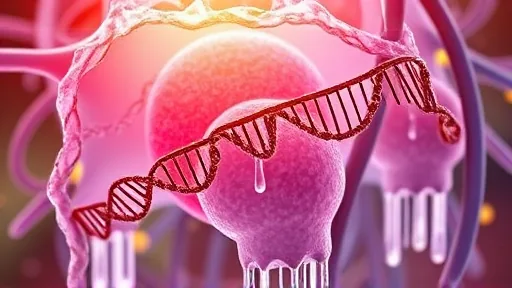
The drugs also last a long time. Current siRNA therapies may stay active for six months or longer after a single dose. Wong says Parker would need his inhibitor to be biodegradable. It has to last long enough to reach its target and shut off the right genes. But it also needs to break down so that when he stops injecting the drug, his powers can return.
Even then, the powers would not come back instantly. After the inhibitor is gone, the body needs time to make new mRNA copies and build new proteins. Lieberman says it could take a few hours at minimum. Realistically, it would probably take a few days to return to full power. The technology that started with a failed flower experiment has come a long way. But it still cannot turn superpowers on and off like a light switch.