
Scribes CRISPR pill aims to replace daily statins
For decades, the logic of treating high cholesterol has been simple: a chronic condition needs chronic medication. The standard approach involves measuring LDL levels, taking a daily statin, and measuring again. The assumption was that managing a lifelong risk factor requires a lifelong habit. But what if the intervention itself could be as brief as the measurement? Scribe Therapeutics has announced that STX-1150, a one-time therapy using CRISPR technology, will enter human trials in mid-2026. [1] The goal is to replace elevated LDL levels. The paradox dissolves when treatment shifts from managing symptoms to editing genetic instructions
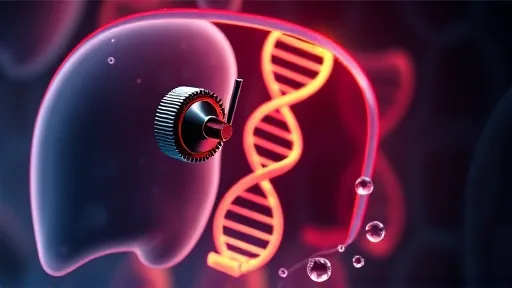
A Dimmer Switch for Gene Expression That approach, used in therapies like Casgevy for sickle cell disease, permanently alters the genome. STX-1150 does not cut. Instead, it uses epigenetic silencing — a process that adds chemical marks, called methylation, to the PCSK9 gene in liver cells. The process is akin to installing a molecular dimmer switch rather than severing the wire The gene remains intact, but its instructions to produce the PCSK9 protein are turned off. This reversibility addresses the biggest safety concern about genetic medicine: the fear of permanent, unintended changes.
Dr. Benjamin Oakes, the company’s CEO and co-founder, described the milestone as “a defining moment for Scribe and the wider genetic medicine field.” The therapy builds on the regulatory pathway that Casgevy established in 2024, when it became the first CRISPR-based treatment approved for sickle cell disease. That approval showed regulators how to evaluate one-time genetic interventions. STX-1150 now applies that framework to a vastly larger patient population. Preclinical data in primates showed that a single low dose reduced LDL cholesterol by more than 50% for at least 18 months. [1] Compare that to current options like Repatha injections every two weeks or Leqvio shots twice yearly.

The Price of a One-Time Cure2 million per patient. STX-1150 will likely follow a similar pricing model, reflecting the research and manufacturing costs of a one-time biologic therapy. Such a price could limit real-world impact, even if the therapy proves highly effective The contradiction with established assumptions is sharp: daily statins cost a few dollars a month, but a single cure priced at millions of dollars creates a barrier that the healthcare system is not designed to handle
Scribe faces competition from Verve Therapeutics and CRISPR Therapeutics, both developing similar approaches to lowering cholesterol through gene editing. However, Scribe has formed strategic partnerships with pharmaceutical giants Sanofi and Eli Lilly. These alliances suggest confidence in the commercial potential of the therapy. The partnerships also provide the manufacturing and distribution infrastructure needed to reach millions of patients — if the price can be brought down. The company positions STX-1150 as delivering “the cardioprotective effects of naturally occurring genetics” through durable CRISPR medicine.
Prevention Over Management
It is a fundamental shift from managing cardiovascular disease to preventing it. Current daily pill regimens function like endless subscription services — expensive over time and easy to forget One-time interventions provide lasting protection without the burden of daily adherence. The Phase 1 trials will determine whether this genetic intervention becomes a standard of care or remains an expensive option for a limited number of patients Scribe was co-founded by Nobel Prize winner Jennifer Doudna, whose discovery of CRISPR-Cas9 opened the door for precise genome editing. The company now aims to apply that technology not just to rare genetic diseases, but to the most common cause of death worldwide: heart disease.
Sources
2. Sanofi