Researcher regrows his thymus to challenge aging
A Self-Experiment That Rewrote the Rules
In 1996, cryobiologist Gregory Fahy walked into his physician’s office and convinced the doctor to prescribe him a month’s supply of growth hormone. [2] His reasoning rested on a single study in rats — the injections, he hoped, would help him regrow his thymus, a peculiar immune organ that shrinks and nearly vanishes as people get older. Fahy believed that regenerating this disappearing organ could help him live a longer, healthier life.
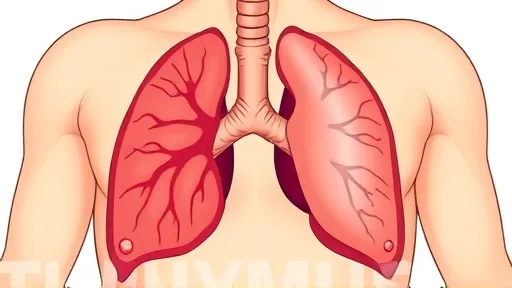
The thymus sits behind the breastbone, and for decades scientists considered it mostly useless after childhood. It produces T-cells — critical soldiers of the immune system — but then it atrophies, replaced by fatty tissue, as if the body no longer needs it. Fahy’s experiment challenged this assumption: if the thymus could be regrown in adulthood, perhaps it was not meant to disappear at all.
The discovery that a single hormone treatment might reverse thymus shrinkage was not planned. It emerged from a hunch, from one researcher willing to test a theory on himself. What Fahy found in his own body would eventually point toward a new understanding of aging itself.
Why the Body Lets a Vital Organ Wither
The established view held that thymus atrophy was a natural, irreversible part of aging — like gray hair or wrinkled skin, something to accept rather than reverse. Fahy’s self-experiment directly contradicted this assumption. If growth hormone could stimulate regrowth, then the thymus was not permanently lost; it was merely dormant, waiting for the right signal.
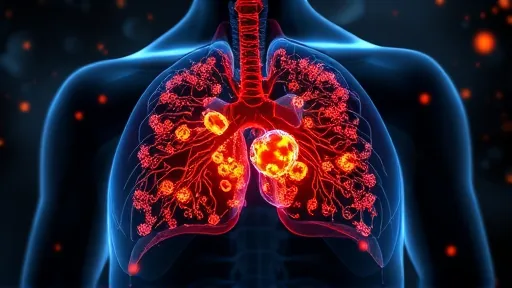
Researchers have since raced to understand how to trigger that signal reliably. The thymus does not just produce immune cells — it trains them, teaching young T-cells to distinguish the body’s own tissues from foreign invaders. Losing the thymus means losing this training ground, which may explain why older immune systems attack the body more often and fight infections less effectively.
The contradiction runs deeper: if the thymus is so vital early in life, why does the body let it wither? One possibility is that the organ’s disappearance is itself a trade-off — conserving energy for reproduction and growth at the expense of long-term immune function. Fahy’s work suggests this trade-off might be reversible.
The Risks of Rebuilding What Nature Dismantled
Regrowing the thymus raises more puzzles than it solves. Scientists still do not fully understand why the organ atrophies in the first place, or what molecular signals trigger its decline. Without knowing the cause, they cannot be certain that regrowth is safe — a reactivated thymus might produce T-cells that attack the body’s own tissues, triggering autoimmune disease.
The single rat study that inspired Fahy in 1996 has been followed by many more, but the path from rodent to human remains unclear. Each step forward reveals new layers of complexity: the thymus interacts with the entire immune system, the endocrine system, and even the brain. Changing one part may have unintended consequences elsewhere. Researchers at the University of California, San Francisco, are independently investigating whether thymus regeneration using growth hormone-releasing factors can restore immune function in older adults, while a team at the Karolinska Institute in Sweden is studying the molecular signals that trigger thymus decline.
What Fahy discovered by accident has become a field of its own, with researchers worldwide searching for ways to restore the thymus and slow aging. Yet the fundamental question lingers: if the body deliberately dismantles this organ with age, should we try to rebuild it? The answer, for now, is not in the data — it is still being written.
Sources
1. DOI: 10.1038/d41586-026-02149-5
2. Gregory Fahy