mRNA flu vaccine outperforms traditional shots in trial
For decades, the flu shot has been a gamble. Each spring, scientists must predict which viral strains will dominate the coming winter. They place their bets months in advance, because the traditional manufacturing process is slow and unforgiving. If the prediction misses, the vaccine still goes out - but it protects far fewer people than it should. Now, an experiment involving 40,000 volunteers has revealed the limits of that old approach. The results show a new kind of vaccine that can be corrected mid-season, a flexibility the old method simply cannot offer. [1]
The study placed participants into two groups. One received the new mRNA-based shot; the other received a conventional flu vaccine. The difference in outcomes was measurable: the mRNA group experienced 27 percent fewer cases of influenza. That number may sound modest, but it represents a significant shift in what a seasonal vaccine can achieve. It is not merely a better version of the old tool. It is a different kind of tool altogether, one that changes how quickly and how accurately we can respond to a moving target.
The Egg-Based Method and Its Limits
The conventional flu vaccine has remained largely unchanged for over half a century. It is grown in chicken eggs, a process that requires vast quantities of eggs and weeks of incubation. The virus is then inactivated, meaning it is killed or weakened so it cannot cause disease, but it still teaches the immune system to recognize the real threat. This egg-based method has served public health well, but it carries an inherent weakness: speed. Once production begins, there is no turning back.
The research team at WashU Medicine in St. Louis explains the constraint clearly. Policy makers must determine the most likely flu strains for the Northern Hemisphere fall season well in advance. They start production early to have doses ready. If the circulating strain turns out to be different from the prediction, there is no practical way to update the vaccine. The production timeline simply takes too long. This mismatch is a leading reason why conventional vaccines are only 40 percent to 60 percent effective in any given year. [1]
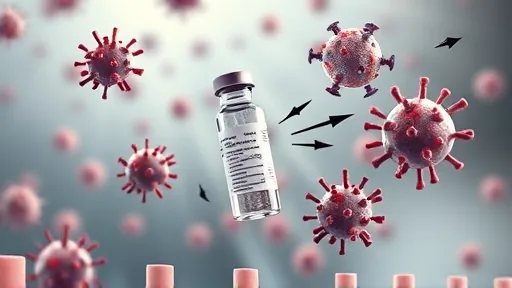
The mRNA approach dismantles that bottleneck. Instead of growing virus in eggs, it provides genetic instructions that tell the body’s own cells to produce a harmless piece of the flu virus. The immune system then learns to fight that piece, preparing for the real thing. Because this process does not depend on egg supply or viral culture, production can be compressed to a couple of months. If a strain mismatch emerges during the flu season, manufacturers could feasibly update the vaccine to match reality.
A Longer-Lasting Immune Response
The immune response generated by the mRNA vaccine appears to be both stronger and longer-lasting than what conventional shots produce. In the clinical trial, participants who received the mRNA version had much higher levels of antibodies against the flu virus one month after vaccination. Those elevated levels did not quickly fade. They persisted for six months, suggesting protection that lasts through the bulk of the typical flu season. This durability matters because influenza does not strike in a single week; it circulates for months.
Research published in June in Nature Immunology found that the mRNA vaccine generates a stronger and longer-lasting immune response than conventional flu vaccines This is not just a marginal improvement. It suggests that the body retains a more robust memory of the threat, ready to mount a defense when exposed. For older adults, who often respond more weakly to vaccination, this could be particularly significant.
The U.S. Food and Drug Administration granted approval based on clinical trials showing the vaccine provided better protection in people over 50, especially those over 65. [2] That age group faces the highest risk of severe illness and death from influenza. The vaccine will be available at select drug stores for people ages 50 and older ahead of the upcoming flu season.
What Remains Unknown About Transmission
The approval is a milestone, but it is not the end of the story. One critical question remains open: does the mRNA vaccine reduce transmission of the virus, not just protect the vaccinated individual? Researchers identify this as one of the most important considerations for respiratory viruses A vaccine that prevents illness in one person but still allows that person to spread the virus to others has a different public health value than one that breaks the chain of transmission entirely.
If the mRNA vaccine can cut down on transmission rates, the implications extend beyond individual protection. It could reduce the overall circulation of the virus in communities, lowering the number of people who become infected even if they never receive a shot. This is the difference between protecting a person and protecting a population. The clinical trials that led to approval demonstrated effectiveness against symptomatic illness, but they did not fully resolve the transmission question.
The timeline for wider availability also remains unclear. Moderna has not publicly stated when it might seek approval for use in people under 50. [3] Researchers suspect the company is working on that expansion, but no official timeline exists For now, the vaccine is a tool for those at greatest risk. The hope is that future research will show whether it can do more. Until then, the conventional advice stands: all flu vaccines are beneficial, regardless of age. Protecting oneself reduces the chance of passing the virus to those who are more vulnerable. The new vaccine adds a faster, more adaptable option. But the full measure of its impact will only come with time and more data.
Sources
2. U.S. Food and Drug Administration
3. Moderna