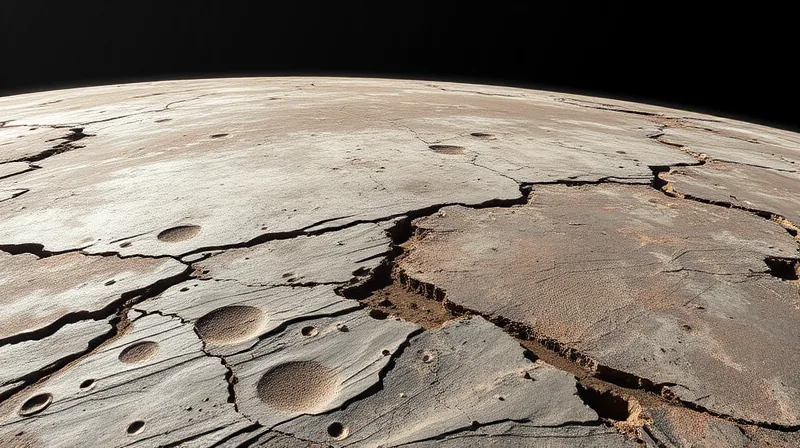
Mercury Shrunk 23 Kilometers New Study Finds
Wrinkles in the Crust
Mercury, the smallest planet in the Solar System, is contracting as its interior cools. That much has been known for decades. What is new is the scale of the loss. A new analysis of the planet’s surface features suggests that since Mercury formed roughly 4.5 billion years ago, its diameter has shrunk by about 23 kilometres. [2] The result tightens the constraints on how Mercury’s interior cooled and contracted over its lifetime.
Earlier estimates had pointed to a more modest contraction. The new work, published in Geophysical Research Letters, indicates that Mercury has contracted more than astronomers previously estimated. [2]
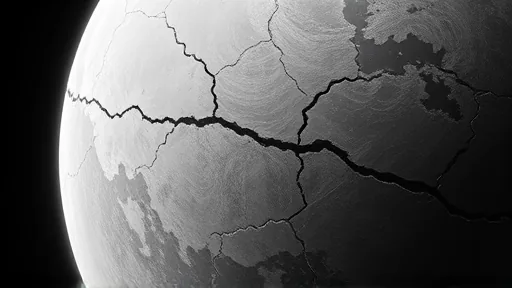
The evidence lies in the planet’s wrinkled crust. Mercury’s surface is pocked with craters carved by comets and meteoroids. Those impacts have buried or erased part of the record of the planet’s contraction over the past 4.5 billion years. The challenge was to separate the original tectonic features from the later damage inflicted by incoming space rocks. The researchers tackled that problem directly. [2]
The 23-kilometre reduction in diameter is not a recent development. It is the cumulative result of billions of years of cooling. The surface wrinkles, called lobate scarps, are the visible signature of that process. They record the planet’s long, slow compression, and they are the only direct evidence of it that survives on the surface.
Sources
1. DOI: 10.1038/d41586-026-02898-3