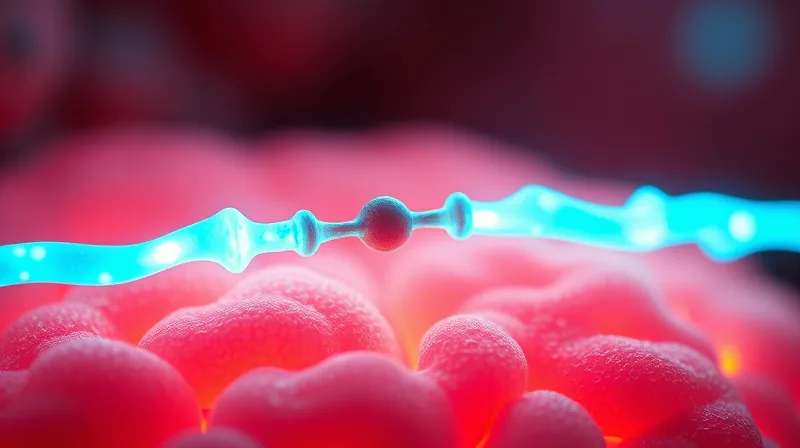
Gut molecule sodium butyrate may prevent post traumatic epilepsy
A Discovery Found While Looking Elsewhere
Dr. Samba Reddy, a professor of neuroscience and experimental therapeutics at Texas A&M University, was not originally searching for a way to prevent post-traumatic epilepsy. He had been studying how brain injuries trigger long-term damage, aiming to understand the molecular chain reaction that turns a single blow to the head into a lifetime of seizures.
What he found was a molecule already present in every human body. Sodium butyrate is created in the gut microbiome when bacteria break down food. It enters the bloodstream, crosses the blood-brain barrier, and interacts directly with brain cells. This gut-brain axis had been studied before, but mostly in the context of mood and digestion — not epilepsy.
Reddy’s team noticed something else. After a brain injury, enzymes called histone deacetylases (HDACs) go into overdrive. They cause inflammation and damage. Sodium butyrate blocks those enzymes. The question became: could giving patients this gut chemical early after a head injury prevent the seizures that follow?
The study, published in Experimental Neurology, suggests yes. Reddy simulated the kind of brain injury seen after car crashes or falls by mimicking a severe impact on exposed brain tissue. One group of tissue received sodium butyrate. The other did not. Over four months, the treated tissue showed less inflammation and ‘significantly fewer seizures.’ The seizures that did occur were less intense and more manageable.
The Bridge Between Laboratory and Real-World Injury
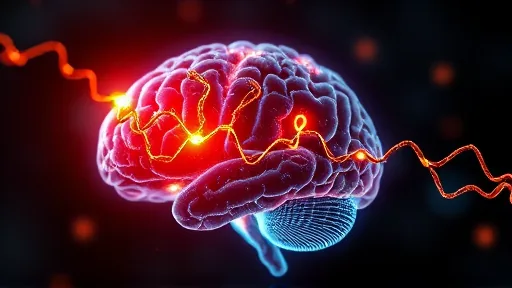
Around 70 million people worldwide experience some form of traumatic brain injury every year. Athletes, car crash survivors, and combat veterans are among the most common cases. According to the Brain Injury Association of America, about 67 percent of U.S. military veterans report having experienced at least one traumatic brain injury.
A 2024 New York Times investigation found that soldiers showed signs of brain injury after operations as routine as firing mortars. Reddy’s research was supported by the U.S. Department of Defense, which has a direct interest in preventing the long-term consequences of head injuries on the battlefield. .
Post-traumatic epilepsy does not always appear immediately. A person might be discharged from the hospital because their injury appears to be healing. Weeks later, violent seizures begin. Symptoms include convulsions, muscle stiffening, and loss of consciousness. The current standard of care is to wait for the seizures to happen and then manage them with medication.
Reddy’s approach is different. Instead of waiting, he watches for markers that indicate the brain is entering a process called epileptogenesis — the transformation of healthy tissue into seizure-prone tissue. “Seizures, memory loss, depression, anxiety and cognitive decline can emerge long after the initial impact has healed,” Reddy told Texas A&M’s newsroom. “If we can intervene during the critical window after the initial injury, we have the potential to not only treat seizures, but to preserve overall brain function.”
The treated groups in behavioral tests showed improved object recognition and memory recall. The chemical did not just stop seizures — it helped the brain heal.
The Limits of What This Finding Can Do
Sodium butyrate is already sold as a gut supplement. It is not approved by the U.S. Food and Drug Administration for therapeutic use. That matters because supplements are not regulated the same way drugs are. The purity, dosage, and safety of what is on store shelves may not match what Reddy used in his laboratory.
The study was done on brain tissue, not on living human patients. That is a critical gap. A molecule that works in a dish does not always work in a person. The next step is clinical trials, which require funding, regulatory approval, and time.
Reddy is aware of the road ahead. “Because FDA-approved HDAC inhibitors already exist, this epigenetic therapy for epilepsy prevention has potential for rapid translation into clinical trials for patients with TBI,” he said. But rapid translation is still translation. It is not the same as a cure.
The chemical itself has limits. It blocks one pathway — HDAC enzymes — but brain injury triggers many pathways. Inflammation is only part of the problem. Sodium butyrate may reduce seizures, but it cannot reverse tissue that has already been destroyed.
Reddy has broader ambitions. He said that in the future, after more research, sodium butyrate could be used to treat strokes and cancers. “The successful clinical use of related butyrate derivatives in other diseases supports its strong translational potential for conditions like PTE, stroke and cancer,” he said. But those are possibilities, not promises.
For now, the finding is a step toward a new way to think about brain injury — not as a fixed event, but as a process that can be interrupted. The question is whether that interruption can be made safe, consistent, and available to the millions of people who need it.