A Legend
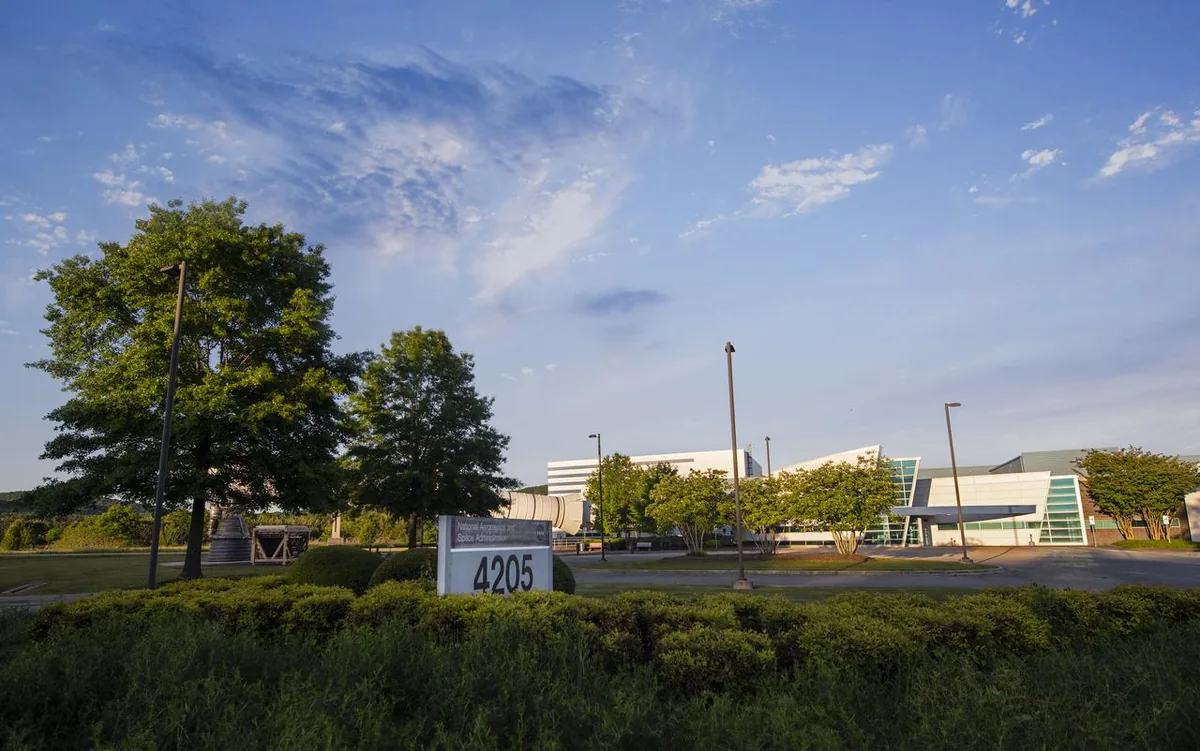
Returns to the Center of Excellence for Propulsion On Monday, Oct. 19, 2026, one of NASA’s largest field centers changed hands. Administrator Jared Isaacman named Stephen Cash director of the Marshall Space Flight Center in Huntsville, Alabama, effective that day. [1] Isaacman called Cash ‘a Marshall legend’ who ‘has been in the seat before making the decisions when human spaceflight is on the line.’ [1].
The scale of what Cash now leads is concrete. Marshall employs more than 5,000 civil service and contractor workers. Its portfolio runs across propulsion, space systems, scientific research, and technology development. That is not a single laboratory but a cluster of capabilities, each with its own vocabulary and its own standards.
Isaacman framed the choice in terms of hardware and decisions. Cash, he said, “has spent his career around the hardware, the people and has been in the seat before making the decisions when human spaceflight is on the line.” [1] Marshall’s reputation rests on that distinction, and Isaacman tied Cash’s value directly to it.
Cash succeeds Rae Ann Meyer, who has served as Marshall’s acting center director since September 2025. She previously served as deputy center director and associate director, and now returns to the deputy role. Meyer, who previously served as Marshall’s deputy center director and associate director, provided leadership and continuity across the center’s programs and operations during her tenure as acting director, and now returns to her role as Deputy Center Director.
From Shuttle Plumes to Nuclear Power
Established in 1960, Marshall has played a central role in American space exploration for more than six decades, from developing the Saturn rockets that carried astronauts to the Moon during Apollo to advancing the propulsion systems, infrastructure, and technologies supporting the next era of human spaceflight. Cash’s own path runs through that lineage: he began at Marshall in 1982 and spent 34 years with the agency, holding senior engineering and management posts across some of the nation’s most significant human spaceflight programs.
During his NASA career, Cash served as manager of Marshall’s Space Shuttle Propulsion Office, overseeing critical propulsion systems supporting shuttle through its final missions. He later served as director of Marshall’s Safety and Mission Assurance Directorate from 2011 until his retirement in 2016, providing leadership in safety, reliability, and quality engineering to support mission success across the center.
Amit Kshatriya, NASA associate administrator and chief engineer, described the center’s core asset plainly: “the jewel of Marshall is its workforce.” [1] He tied engineering excellence to giving talented people the chance to design, build, test, and learn through hands-on work. Kshatriya also named the capabilities being strengthened: manufacturing, structural loads and dynamics, and propulsion, the three legs under NASA’s exploration enterprise.
Marshall plays a critical role in NASA’s Artemis program, including the development of NASA’s SLS (Space Launch System) rocket, management of the Human Landing System Program, as well as other capabilities supporting sustained exploration of the Moon and future missions to Mars. Further, Marshall plays a key role in the advancement of nuclear power and propulsion, an area of focus that is expected to grow as NASA works towards sending the first humans to Mars.