Oil Above 108 Pushes US Treasury Yields to 5 Percent
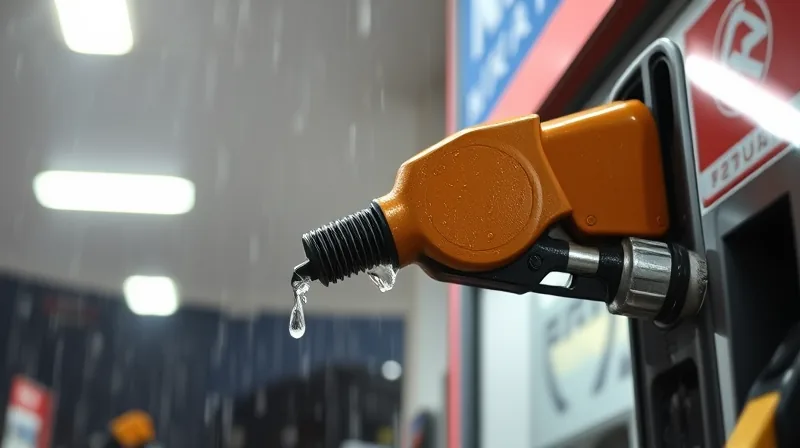
The Price At The Pump
Petrol and diesel prices in Britain hit new highs for the Iran war on Monday. Petrol and diesel in Britain hit new highs for the Iran war, according to the RAC, with the average cost of petrol climbing to 169.68p a litre and diesel hitting 191.68p a litre. [1] The war several thousand kilometres away arrives in a fuel tank, a weekly budget and the cost of getting to work.
Behind the pump stands the barrel. Brent crude, the international benchmark for oil prices, surged to more than $108.5 a barrel on Monday — a 3.7% increase on the day, on a day of renewed selling pressure on Wall Street. [5] Wholesale gas rose alongside it, with the UK benchmark climbing 5% to 208.73p a therm, its highest level since December 2022. [5] A therm is the unit in which wholesale gas is traded, so that figure is the raw material of a heating bill, not the bill itself.
Donald Trump announced a deal on Monday between Ukraine and Russia not to strike each other’s energy targets, while saying he believed the rise in US diesel prices was driven by the conflict in Europe rather than the war in Iran. [1].
The Yield Crosses Five Percent
The yield — in effect the interest rate — on 10-year US Treasury bonds hit 5% on Monday, the psychologically important threshold, for the first time since October 2023. [2] It has climbed steadily from a low this year of 4%, reached before the outbreak of the US-Israeli war on Iran in late February. [2] The move from 4% to 5% is a full percentage point of borrowing cost in a few months, and it arrived as traders awaited a US Federal Reserve interest rate decision on Wednesday. [2]
The US 10-year Treasury yield is used in global financial markets as a benchmark for pricing other assets, so a jump in borrowing costs for Washington raises costs for countries, businesses and households worldwide. [2]. Europe felt it on Monday, with borrowing costs rising across the continent, including a rise in 30-year UK government yields to their highest level since March 1998. [3]

“The Fed decides on Wednesday and the Bank of England on Thursday, after the European Central Bank raised borrowing costs last week. Investors anticipate an increase from the Fed and no change from the Bank of England. [2][3][4].
Daniela Hathorn, a senior market analyst at Capital.com, said markets are starting the week on a defensive footing, with another escalation in the Middle East and increasingly hawkish central-bank expectations weighing on risk appetite. [5] Hawkish, in plain terms, means leaning toward higher rates rather than lower — the direction that makes borrowing dearer for everyone. With wholesale energy prices rising and inflation fears mounting, global bond markets could face another week of volatility. [5].
The Strait, The Pipeline And The Price
On Sunday, Yemen’s Iran-aligned Houthi forces launched several attacks against Saudi Arabia and captured the island of Perim in the Bab al-Mandab strait, expanding their control of the waterway. Drone attacks forced Saudi Arabia to close a vital east-west crude pipeline. [5].
The Gulf states postponed a meeting with Tehran to discuss creating a temporary shipping lane through the Strait of Hormuz, the channel through which a fifth of the world’s oil and gas supply normally passes. [5].
The price path is now a matter of record. Oil traded at about $72 a barrel before the war, peaked at $126 in April, fell back over the summer on hopes of a lasting ceasefire, then began climbing again after the memorandum of understanding between the US and Iran fell apart, crossing back above $100 last week for the first time since July. [6] Saudi output was already under pressure before the attacks on its major pipeline: Riyadh told the Opec oil cartel that its crude production in August was at its lowest level since 1990. [6] Traders in the kingdom have warned it will run out of oil stocks for export if the east-west pipeline is not reopened within days.
Chris Beauchamp, of the broker IG, said a move back to the spring highs looked increasingly likely, and that oil markets are being subjected to their worst fears all at once — attacks on energy infrastructure, the closure of Hormuz and a breakdown in attempts to restart negotiations. The risk of further disruption, he added, is spreading beyond the Gulf, with the threat of renewed Houthi attacks on shipping adding another layer of uncertainty around key energy and trade routes. The major surprise, in his reading, is how calm markets remain; if prices breach the March highs, things could get ugly very quickly.
The path back from here runs through three concrete conditions: the east-west pipeline reopens within days so Saudi export stocks do not run dry; the Gulf states and Tehran return to shipping-lane talks; and Brent falls back below the $100 mark it crossed last week. Until then, the 30-year UK gilt stays near its highest level since March 1998 and the 10-year Treasury yield stays near 5%. [5][6].

Sources
1. RAC
5. Capital.com
6. OPEC