Indonesian Fires Cause Toxic Haze Across Southeast Asia
Meta commentary - no external expert source; basis: Feeds.bbci.co.uk (2026-09-24). #MetaEconPol
The Rain Never Came
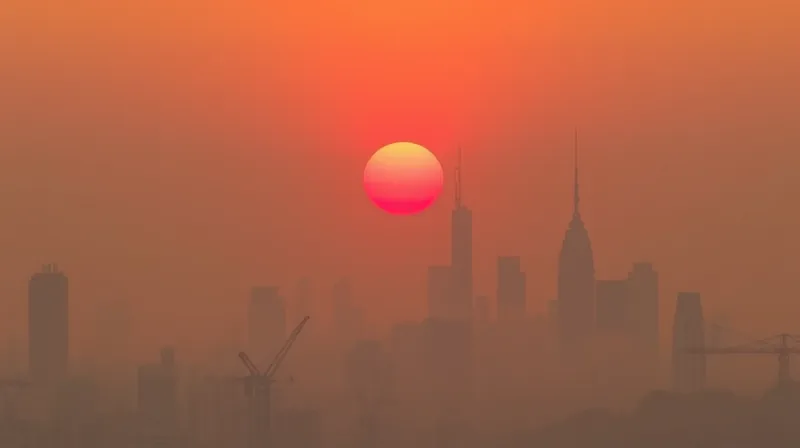
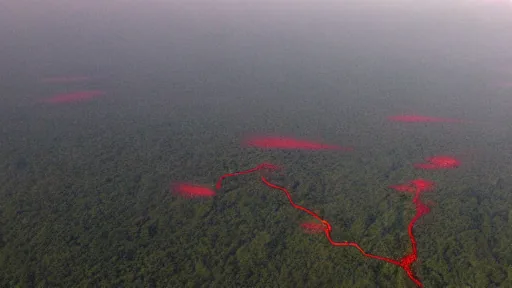
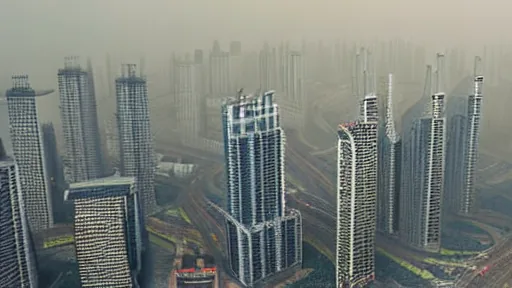
The rain did not come. Across large parts of Indonesia, Malaysia and Singapore a grey blanket hung instead, dense enough to turn the sun into a dull red ball. Forest fires are burning in Indonesia and have produced toxic smog — a mix of ash, soot and gases that penetrates deep into the lungs. Since August, around 175,000 people have suffered respiratory illness. [1] The smog does not stop at borders. It drifts across the Strait of Malacca, settles over the high-rises of Kuala Lumpur and seeps into Singapore’s metro tunnels.
Who Pays for Clean Air
The mechanism is a classic externality. The benefit of the fires is short-term and local: land cleared cheaply for palm oil and pulpwood plantations. The cost is long-term and regional: respiratory disease, closed schools, grounded flights and lost tourism revenue. A government that fights the fires must spend money now, while the payoff — clean air, a healthy workforce, a functioning economy — arrives only later. Air quality in three countries depends on decisions taken in a fourth. Whoever buys a mask in Singapore today is paying for a decision made elsewhere.
The Bill Beyond the Smoke
The fires carry a second bill. They destroy habitat for orangutans on Borneo and release stored carbon that accelerates climate change. Unlike the diffuse global climate problem, the haze has an address: the peatland and plantation concessions where the fires burn. That concreteness makes it politically manageable — and politically explosive. Whoever owns the land owns the decision, and whoever owns the decision owns the responsibility. The smoke ignores borders; the responsibility does not.