Why Protein Powder Got Expensive: A Whey Byproduct Story
Meta commentary - no external expert source; basis: Feeds.bbci.co.uk (2026-09-24). #MetaEconPol
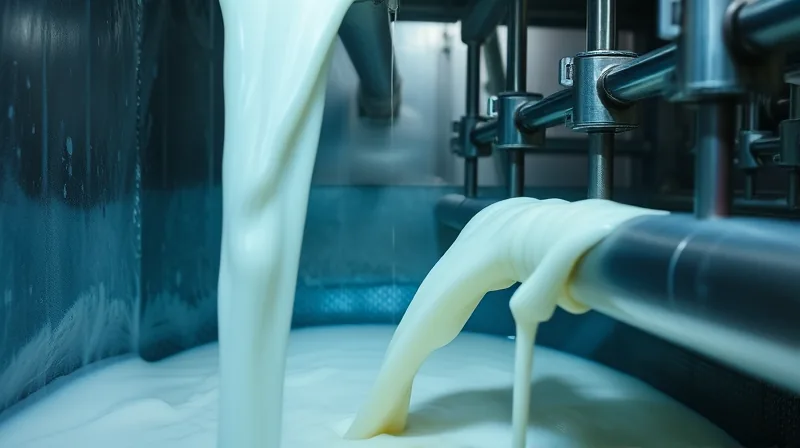
The story begins, as these stories often do, with a happy accident. For most of the history of cheesemaking, the watery liquid left after milk is curdled was the problem rather than the product — a lactose-heavy leftover that had to be dumped, fed to pigs or spread onto fields. Cheese makers wanted the main milk protein that curdles; the liquid that ran off was pure overhead. The waste became a category. Nothing about the cow changed. Only the technology and the appetite did.
Flood tide: supply arrives as a by-product
The volume of whey protein available to the world therefore tracks cheese production, not protein demand. If cheese output falls — because milk is costly, herds shrink, or a season runs dry — the raw material for powder thins out at the very moment demand would normally call for more. A price rise, in other words, can be purely a consequence of how by-products are supplied, with no change in consumer behaviour involved at all.
Ebb tide: demand that does not retreat on schedule
The other side of the ledger is stickier. Protein has migrated out of the shaker bottle into yoghurt, coffee, cereal and snack bars, and an ageing population buys it for clinical reasons as much as athletic ones. What makes this demand distinctive is its patience. Someone training toward a goal does not switch products the week a tub gets more expensive, and a patient following medical guidance switches even more slowly.
Slack water: where costs and money accumulate
Even a by-product carries a bill of materials. Drying, packaging, foil seals, plastic tubs, freight, cold storage and labour all feed the final number, and so does the price of money itself. Dairy ingredients are quoted in dollars, so importers in weaker currencies feel a rise first and hardest. Tariffs and sanitary rules decide how easily a container crosses a border, and a duty is simply a tax that lands on the shelf. Higher financing costs make it more expensive for processors and brands to hold inventory, which thins the buffers that normally absorb a bad month.
The turning tide: winners, losers, deciders
Cheese makers are the quiet winners, since a former disposal cost now carries a price tag. Ingredient processors and traders who already own drying capacity gain when the raw material is scarce. Brands with pricing power and long contracts can pass costs through; commodity buyers, contract manufacturers and stores selling their own branded goods cannot, and their margins absorb the shock. Consumers lose, unevenly — for a gym-goer a few more francs a month is an annoyance, while for someone whose protein comes from a medical recommendation it is a budget line. The decisions shaping all of this sit with processors, who choose volumes; with regulators, who decide what may legally be called a protein product and how it must be labelled; and with trade negotiators, who set the wedge at the border. Farmers, who produce the milk, receive the signal last and dampened.
Reading the next cycle
What to watch is mostly unglamorous. Cheese production figures, milk output, cold-storage stocks and dairy export data describe the raw material. The Global Dairy Trade auctions and the CME dairy futures complex — dry whey, Class III milk — are where the market puts a number on the future. Retail scan data for sports nutrition shows whether shoppers are trading down. Tariff headlines, energy prices and prescription trends for appetite-suppressing drugs are the wild cards. Uncertainty deserves a straight label: by-product markets can reverse as quickly as they tightened, precisely because their supply driver is something else entirely.
**### What the tide cannot tell us. Water does not decide to rise; the moon pulls and the basin answers. A price behaves the same way — nobody votes on the cost of a scoop of whey, yet the number moves because a thousand separate decisions about cows, cheese, diesel and credit converge on it. What makes this story worth the space is the inversion at its centre: a society that once paid to get rid of something now pays to buy it back, and the price we see is merely the record of how far our appetites have travelled. The honest answer is that the question remains open — and an open question, repriced second by second, is what a market is.
Sources
1. BBC — Quote source (original article)